A Comprehensive Review: The VA Native American Direct Loan (NADL) for Home Repairs and Improvements
The dream of homeownership is a cornerstone of American life, symbolizing stability, security, and a place to call one’s own. For many veterans, this dream is facilitated by the U.S. Department of Veterans Affairs (VA) loan program, a powerful benefit earned through service. However, for Native American veterans seeking to own or improve homes on trust lands, the path to conventional financing can be fraught with unique challenges. This is where the VA Native American Direct Loan (NADL) program steps in, offering a tailored solution designed to overcome these specific hurdles.
While the NADL is often highlighted for its ability to help Native American veterans purchase, construct, or refinance homes on Federal trust land, its utility extends significantly to the crucial area of home repairs and improvements. For existing homeowners, maintaining and upgrading a property is not merely about aesthetics; it’s about safety, habitability, energy efficiency, and long-term asset preservation. This comprehensive review will delve into the VA NADL program specifically for repairs and improvements, exploring its intricacies, highlighting its advantages and disadvantages, and ultimately providing a recommendation for its use.
Understanding the VA NADL Program for Repairs and Improvements
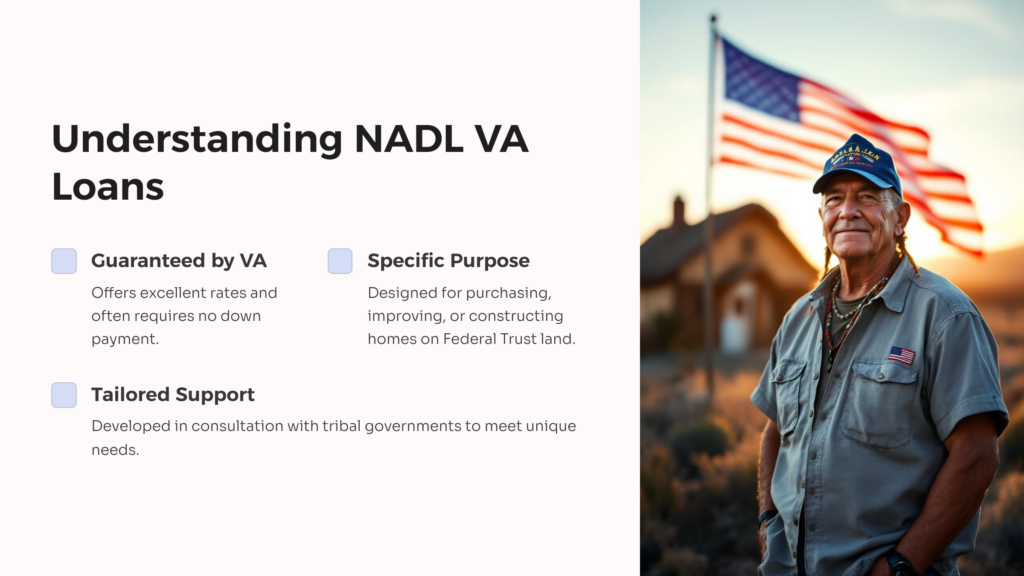
The VA NADL program, established under the Native American Veteran Housing Loan Program (NAHVP), is unique because it directly addresses the complexities of homeownership on tribal trust land. Unlike conventional mortgages or even standard VA loans, which typically require fee simple ownership (private, unrestricted ownership of land), trust lands are held by the U.S. government for the benefit of individual Native Americans or tribes. This distinction makes it difficult for traditional lenders to secure a mortgage, as they cannot foreclose on the land itself. The NADL bypasses this by having the VA act as the direct lender, mitigating the risk associated with trust land tenure.

When applied to repairs and improvements, the NADL functions as a mechanism to inject vital capital into existing homes. This isn’t just about minor cosmetic fixes; the program is designed to support a broad spectrum of work that enhances the safety, accessibility, energy efficiency, and overall structural integrity of a home. This can range from critical structural repairs like roofing or foundation work, to essential system upgrades such as plumbing and electrical, to modifications for accessibility, and even energy-efficient improvements like new windows or insulation.
The process typically involves an application to the VA, an appraisal of the property (including the proposed improvements), and a detailed scope of work. The loan amount is determined by the cost of the repairs and the value of the home, with the VA ensuring that the improvements meet specific standards for quality and safety. Disbursements are often made in stages, contingent upon the completion and inspection of work, providing a layer of oversight that protects both the veteran and the integrity of the project.
Advantages of the VA NADL for Home Repairs and Improvements
The VA NADL program offers several compelling advantages, particularly for its target demographic:
-
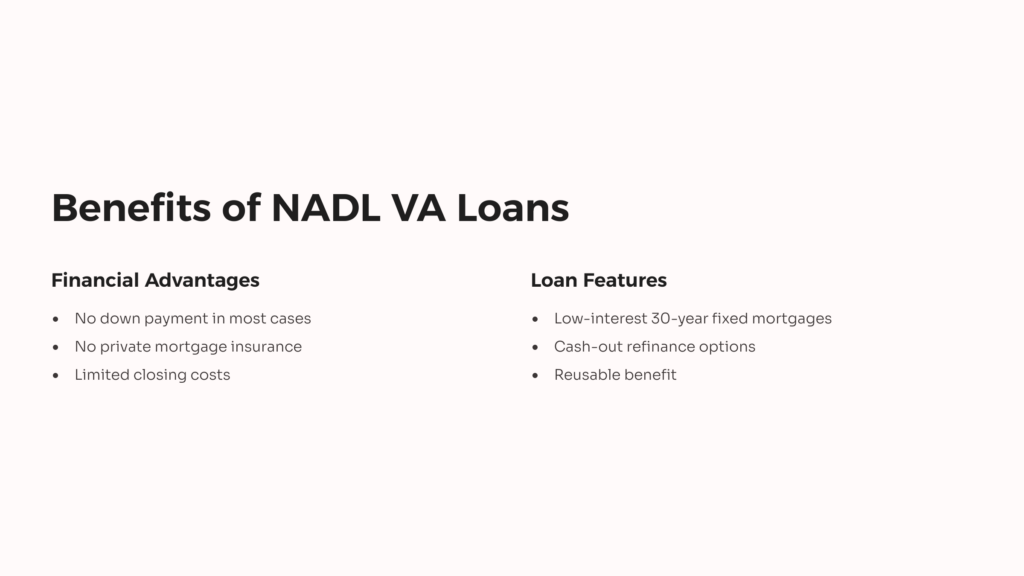
Low, Fixed Interest Rates: One of the most significant benefits is the VA’s ability to offer competitive, often below-market, fixed interest rates. These rates are set by the VA and are typically very favorable, making the loan more affordable over its lifetime compared to personal loans or credit cards often used for home repairs. This translates to lower monthly payments and substantial long-term savings for the veteran.
-
No Down Payment Requirement: Like other VA loans, the NADL for repairs generally requires no down payment. This is a huge financial relief for many veterans who may not have significant savings readily available for home improvements. It removes a major barrier to undertaking necessary repairs, allowing veterans to preserve their capital for other needs.
-
No Private Mortgage Insurance (PMI): Unlike conventional loans with less than 20% down, VA loans do not require private mortgage insurance (PMI). This significantly reduces the monthly housing expense, freeing up funds that can be used for other household necessities or savings. Over the life of the loan, this can amount to thousands of dollars in savings.
-
Flexible Loan Terms: The NADL offers flexible repayment terms, typically up to 30 years. This allows veterans to choose a payment schedule that aligns with their financial capacity, making the loan more manageable and reducing financial strain.
-
Tailored for Trust Land: This is the program’s defining advantage. It is specifically designed to navigate the unique legal and administrative landscape of tribal trust lands. The VA directly lends, eliminating the need for private lenders to grapple with complex land tenure issues, which they are often unwilling or unable to do. This makes home improvement financing accessible in areas where it would otherwise be impossible.
-
Improved Quality of Life and Home Safety: By facilitating essential repairs and improvements, the NADL directly enhances the safety, habitability, and overall quality of life for Native American veterans and their families. It can address critical issues like faulty wiring, leaky roofs, inadequate heating, or accessibility barriers, turning a potentially unsafe or uncomfortable living situation into a secure and healthy home environment.
-
Asset Preservation and Value Enhancement: Investing in repairs and improvements through the NADL helps preserve the structural integrity of the home, preventing minor issues from escalating into major, more costly problems. It can also increase the property’s value, contributing to generational wealth and financial stability within the tribal community.
-
Direct VA Support and Oversight: As a direct loan from the VA, veterans benefit from the guidance and support of VA loan specialists throughout the process. The VA’s involvement also often includes property inspections and construction oversight, ensuring that work is completed to acceptable standards and protecting the veteran’s investment.
Disadvantages of the VA NADL for Home Repairs and Improvements
Despite its significant advantages, the VA NADL program is not without its challenges and limitations:
-
Strict Eligibility Requirements: The program is highly specific in its eligibility criteria. Applicants must be Native American veterans (or their non-Native American spouses) who are eligible for VA home loan benefits, and the property must be on Federal trust land. This narrow focus, while essential for its purpose, means it’s not a solution for all veterans or all properties.
-
Bureaucracy and Processing Time: As a government-administered program involving multiple layers (VA, tribal government, and often the Bureau of Indian Affairs), the NADL application and approval process can be lengthy and complex. Veterans may experience delays due to paperwork, coordination between different agencies, and specific tribal requirements. This can be frustrating, especially when urgent repairs are needed.
-
Limited Availability and Direct VA Administration: Unlike standard VA loans, which are widely available through private lenders, the NADL is a direct loan from the VA. This means there are fewer points of contact and potentially less flexibility in the application process compared to working with a private bank. The VA’s capacity to process these loans can also be a limiting factor.
-
Appraisal Challenges on Trust Land: Appraising homes on tribal trust land can be difficult. The unique land tenure system, lack of comparable sales data in remote areas, and sometimes non-traditional construction methods can complicate the appraisal process, potentially leading to lower valuations or delays. This can impact the maximum loan amount available for improvements.
-
Tribal Lease and Agreement Complexities: To secure a NADL, the veteran must obtain a valid tribal leasehold interest or other acceptable tenure on the land. This involves working with the tribal housing authority and legal departments, which can add layers of documentation and approval processes. Each tribe may have slightly different requirements, necessitating careful navigation.
-
Contractor Availability and Licensing: Finding qualified and licensed contractors willing to work on remote tribal lands can be a significant hurdle. Contractors may be reluctant due to travel distances, perceived administrative complexities, or unfamiliarity with tribal regulations. This can lead to higher project costs or further delays.
-
Limitations on Eligible Improvements: While broad, the program has specific guidelines on what constitutes an "eligible improvement." Purely cosmetic upgrades or luxury additions might not be covered, as the focus is primarily on structural integrity, safety, habitability, and energy efficiency. Veterans must ensure their proposed projects align with VA criteria.
-
Potential for Administrative Hurdles with Fund Disbursement: Fund disbursement for repairs and improvements is often tied to construction progress and inspections. While intended to protect the veteran, this can sometimes lead to delays in payments to contractors, potentially straining relationships or slowing down the project if not managed carefully.
Who is the VA NADL for Home Repairs and Improvements For?
The VA NADL for home repairs and improvements is ideally suited for:
- Native American veterans (or their non-Native American spouses) who own an existing home on Federal trust land.
- Veterans whose homes are in need of essential repairs, safety upgrades, accessibility modifications, or energy-efficient improvements.
- Those who have difficulty securing conventional financing due to the trust land status of their property.
- Veterans seeking a low-cost, no-down-payment financing option for home improvements.
- Individuals who are patient and prepared to navigate a potentially complex application and approval process involving both VA and tribal authorities.
Recommendation
The VA Native American Direct Loan (NADL) for home repairs and improvements is an exceptionally valuable and highly recommended program for its intended audience. For Native American veterans living on trust lands, it represents a critical lifeline to safe, habitable, and improved housing that would otherwise be out of reach. The program effectively bridges the gap between conventional financing models and the unique legal framework of tribal lands, fulfilling a vital need for those who have served our nation.
However, the recommendation comes with a strong caveat: preparation and patience are paramount. Veterans considering this loan should embark on the process with a clear understanding of its administrative complexities and potential timelines.
Here’s why it’s recommended and how to approach it:
- Embrace the Opportunity: If you meet the eligibility criteria, the financial benefits – low interest rates, no down payment, no PMI – are simply too good to pass up for essential home improvements. This program is specifically designed for your unique situation.
- Start Early and Be Thorough: Begin the application process well in advance of when you need the repairs completed. Gather all necessary documentation, including tribal enrollment verification, VA eligibility paperwork, and detailed estimates for the proposed work.
- Engage with Tribal Authorities: Establish a strong working relationship with your tribal housing authority or relevant tribal government departments early on. They are crucial partners in navigating the tribal lease requirements and local regulations. Their insights and support can significantly streamline the process.
- Seek VA Guidance: Don’t hesitate to contact the VA NADL office directly. Their loan specialists are there to guide you through the application, appraisal, and disbursement processes. Ask questions, clarify doubts, and ensure you understand each step.
- Plan for Contractor Selection: Research and identify potential contractors who have experience working on tribal lands or are willing to do so. Obtain multiple bids and check references. Be prepared for the possibility that finding a contractor may take time.
- Focus on Essential Improvements: Prioritize repairs and improvements that enhance safety, structural integrity, and habitability. While cosmetic upgrades are appealing, the program’s primary focus is on foundational and essential enhancements.
In conclusion, the VA NADL for home repairs and improvements is more than just a financial product; it is an instrument of justice and support for Native American veterans. It empowers them to maintain and enhance the homes that serve as their sanctuary and anchor within their communities. While the path to obtaining this loan may require diligence and perseverance, the long-term benefits of a safe, secure, and improved home are immeasurable, making the VA NADL a profoundly worthwhile endeavor for eligible veterans. It is a testament to the nation’s commitment to honoring the service of all its veterans, ensuring that the dream of a quality home is accessible, even on the unique and sacred grounds of tribal trust lands.


