A Deep Dive into the VA Native American Direct Loan (NADL): Homeownership for Rural Native American Veterans
The dream of homeownership is a cornerstone of the American experience, representing stability, wealth building, and a place to call one’s own. For Native American veterans, particularly those residing in rural tribal communities, this dream has historically been fraught with unique challenges. Traditional lending models often falter when confronted with the complexities of trust land, tribal sovereignty, and the specific economic realities of reservations. Recognizing this profound gap, the U.S. Department of Veterans Affairs (VA) established the Native American Direct Loan (NADL) program.
The VA NADL program is not just another loan; it is a vital and specialized financial instrument designed to empower eligible Native American veterans to purchase, construct, improve, or refinance a home on Federal Trust Land. This review will delve into the intricacies of the NADL program, examining its strengths, weaknesses, and ultimately, offering a comprehensive recommendation for its potential users.
Understanding the NADL: A Product Overview
At its core, the NADL program serves as a direct loan from the VA to qualified Native American veterans. Unlike the more common VA-guaranteed loans where private lenders provide the capital, the VA itself acts as the lender for NADL. This distinction is crucial, as it allows the VA to navigate the unique legal and administrative landscape of trust land, which often deters conventional banks. The program aims to overcome barriers to homeownership on trust land by offering favorable terms, including no down payment, low fixed interest rates, and no private mortgage insurance (PMI).
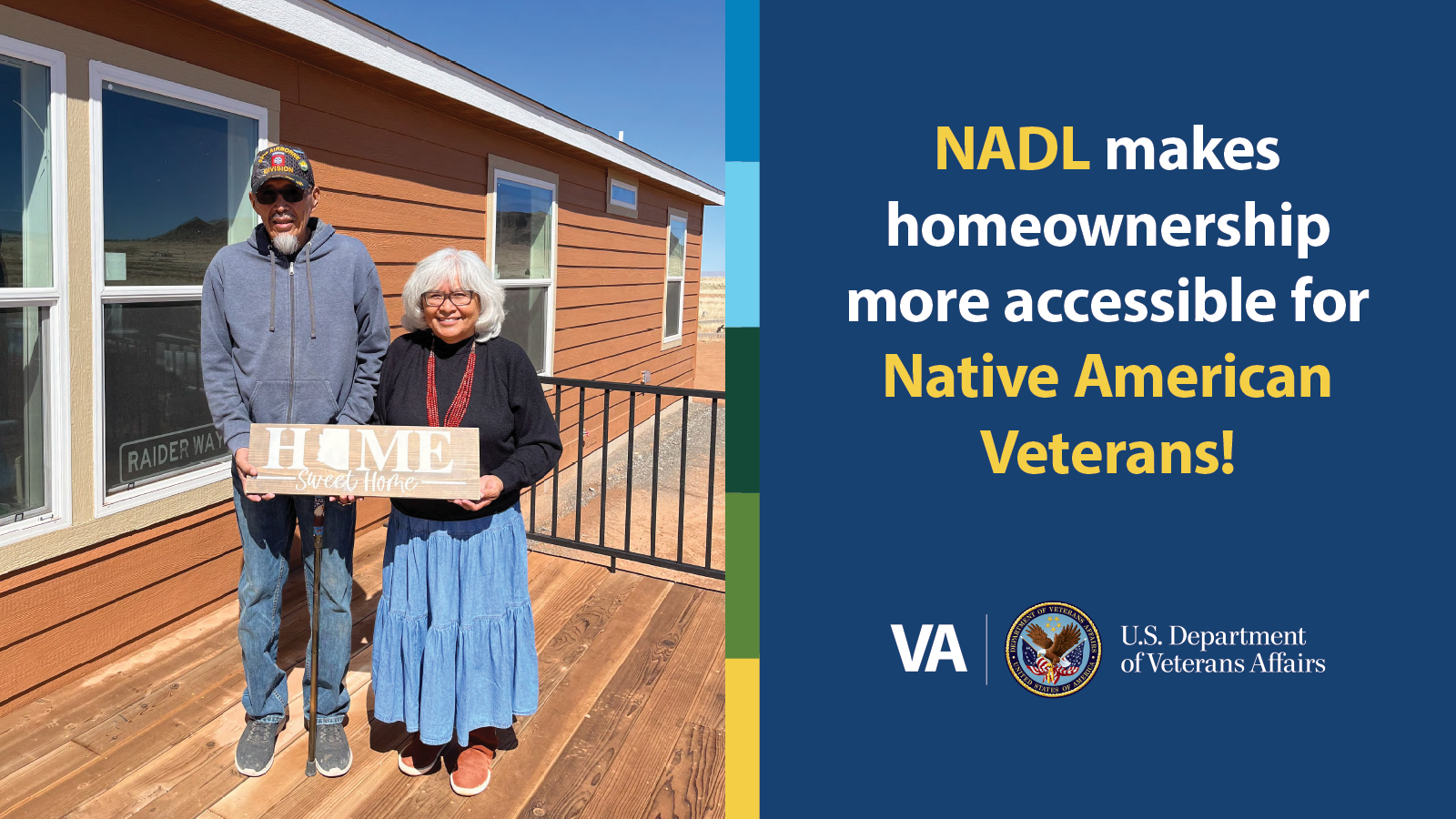
The program specifically targets veterans who are Native American (defined as a member of a federally recognized tribe) and who wish to obtain a home on trust land, which includes tribal land and allotted land. This focus directly addresses the historical disenfranchisement and lack of access to capital for housing development within these communities.
The Advantages (Pros) of the VA NADL Program
The NADL program boasts several significant advantages that make it an invaluable resource for its target demographic:
-
No Down Payment Requirement: This is arguably the most compelling benefit. For many veterans, particularly those in rural areas with limited economic opportunities, accumulating a substantial down payment can be an insurmountable hurdle. The NADL’s zero-down payment feature significantly lowers the barrier to entry for homeownership, making it accessible to a much broader range of eligible veterans.
-
Low, Fixed Interest Rates: NADL loans typically come with competitive, fixed interest rates, which are often lower than those offered by conventional mortgages. A fixed rate provides stability and predictability for the veteran, as their monthly principal and interest payments remain consistent over the life of the loan, protecting them from market fluctuations.

-
No Private Mortgage Insurance (PMI): Unlike conventional loans with less than 20% down, NADL loans do not require PMI. This translates to substantial savings for the veteran, reducing their monthly housing expenses and freeing up funds for other necessities or savings. The absence of PMI further enhances the affordability of the loan.
-
Flexible Credit Requirements: While a good credit history is always beneficial, the VA NADL program often has more flexible credit underwriting standards compared to conventional lenders. The VA understands that traditional credit scoring models may not always accurately reflect the financial responsibility of individuals in certain communities. This flexibility can open doors for veterans who might otherwise be denied by private lenders due to past credit challenges.
-
Specific to Trust Land: This is the program’s defining feature and its greatest strength. No other major federal housing program is specifically designed to facilitate homeownership on Federal Trust Land with the unique protections and benefits of a VA loan. This addresses a critical gap, acknowledging the sovereignty of tribal nations and the distinct legal framework governing land ownership within these areas. The VA works directly with tribal governments and the Bureau of Indian Affairs (BIA) to establish the necessary leasehold agreements.
-
Comprehensive Loan Purposes: NADL can be used for various housing needs, including:
- Purchasing an existing home.
- Constructing a new home (often the most common use on undeveloped trust land).
- Improving an existing home (e.g., additions, renovations, accessibility modifications).
- Refinancing an existing NADL to lower interest rates or access equity. This flexibility ensures that the program can meet a wide spectrum of housing goals.
-
VA Support and Counseling: As a direct loan from the VA, veterans receive personalized support and counseling from VA loan specialists throughout the application and repayment process. This guidance can be invaluable, especially given the program’s unique requirements and the complexities of tribal land tenure.
-
Wealth Building and Community Empowerment: By enabling homeownership on trust land, NADL fosters wealth building within Native American communities. A home is often the largest asset an individual will own, providing a foundation for economic stability and intergenerational wealth transfer. This contributes to stronger, more self-sufficient tribal communities.
The Disadvantages (Cons) of the VA NADL Program
Despite its significant benefits, the VA NADL program is not without its challenges and drawbacks, which potential applicants must carefully consider:
-
Complexity and Bureaucracy: The most frequently cited disadvantage is the program’s inherent complexity. Because it involves Federal Trust Land, the application process often requires coordination and approvals from multiple entities: the VA, the Bureau of Indian Affairs (BIA), and the respective Tribal government. This multi-layered administrative process can be slow, cumbersome, and frustrating for applicants. Navigating tribal housing codes, BIA land leases, and VA regulations simultaneously demands patience and persistence.
-
Extended Processing Times: Directly related to the bureaucracy, NADL applications often experience longer processing times compared to conventional or even VA-guaranteed loans. The need for various governmental approvals, land surveys, environmental reviews, and leasehold agreement finalization can extend the timeline significantly, sometimes for many months or even over a year. This can be problematic for veterans who need housing quickly or are working within tight deadlines.
-
Limited to Federal Trust Land: While a strength in its specificity, this is also a major limitation. The NADL program is exclusively for homes on Federal Trust Land. Native American veterans who live on fee simple land (privately owned land, even if within a reservation boundary) or off-reservation are not eligible for NADL, though they may qualify for other VA loan programs. This restricts the program’s reach and usefulness to a specific geographic and legal context.
-
Awareness and Accessibility Issues: Many eligible Native American veterans, tribal housing authorities, and even some VA personnel are not fully aware of the NADL program or its specific benefits and requirements. This lack of widespread knowledge hinders its utilization. Outreach efforts, though ongoing, often struggle to reach remote rural communities effectively, leaving many veterans unaware of this valuable resource.
-
Property Standards and Construction Requirements: The VA maintains specific property standards to ensure the home is safe, sanitary, and structurally sound. For new construction, this means adherence to VA-approved building codes and inspections. In remote rural areas, meeting these standards can be challenging due to limited access to skilled contractors, materials, and infrastructure. This can sometimes lead to increased construction costs or delays.
-
Leasehold Interest Requirement: Homes financed through NADL are built on land where the veteran holds a leasehold interest, not fee simple ownership. While the lease is typically for a very long term (e.g., 50 years, renewable), and the veteran owns the improvements (the house itself), some individuals may prefer full land ownership. The concept of a leasehold can be a psychological barrier for those accustomed to traditional fee simple property rights, even if it functions similarly in practice for the term of the loan.
-
Lack of Private Lender Participation: Since NADL is a direct loan from the VA, there are no private lenders involved in originating these specific loans. While this simplifies some aspects, it means veterans cannot shop around for the best terms among multiple lenders, as they might with other VA loan programs. The VA sets the terms directly.
-
Potential for Tribal Capacity Constraints: The efficiency of the NADL process can sometimes be influenced by the administrative capacity of individual tribal governments. Some tribal housing departments are well-resourced and experienced in facilitating these loans, while others may have limited staff or expertise, potentially adding to delays.
User Experience and Application Process
The journey through the NADL application process typically begins with the veteran obtaining a Certificate of Eligibility (COE) from the VA, which confirms their service and eligibility for VA home loan benefits. Following this, the veteran must contact the VA’s NADL office directly. This specialized team guides the veteran through the unique requirements, including verification of Native American heritage (often through tribal enrollment documents) and ensuring the property is on eligible trust land.
A crucial step involves working with the tribal government to secure a VA-approved leasehold agreement for the land. This often requires the tribal government to have an existing Memorandum of Understanding (MOU) with the VA, or to establish one. The BIA’s role in approving land transactions on trust land adds another layer of oversight. Financial assessment, property appraisal, and construction plans (if applicable) are then reviewed by the VA. Patience, meticulous record-keeping, and proactive communication with all involved parties are essential for a successful application.
Recommendation for Purchase (Application)
For eligible Native American veterans seeking homeownership or home improvement on Federal Trust Land, the VA Native American Direct Loan (NADL) program comes with a strong recommendation for application, despite its complexities.
Who should apply:
- Any Native American veteran (member of a federally recognized tribe) who has served honorably and meets VA service requirements.
- Veterans who intend to purchase, construct, improve, or refinance a home that will be their primary residence on Federal Trust Land.
- Individuals who understand and are prepared for a potentially longer and more involved application process.
- Veterans who value the unique benefits of no down payment, low fixed interest rates, and no PMI, and for whom conventional financing on trust land is not an option.
When to apply:
- It is advisable to begin the application process well in advance of an anticipated move-in or construction start date, given the potential for extended processing times.
- Apply when you have a clear plan for your housing needs and are committed to navigating the administrative requirements.
What to prepare:
- Gather all necessary documentation, including military service records (DD-214), tribal enrollment verification, and financial statements.
- Establish clear communication channels with your tribal housing authority and the VA NADL office.
- Be prepared to be persistent and proactive in following up on your application status with all involved agencies.
- Seek guidance from tribal housing specialists or veteran service officers who may have experience with the NADL program.
The NADL program is an imperfect but indispensable tool. Its disadvantages, primarily rooted in administrative complexity and extended timelines, are often outweighed by its profound benefits: providing access to affordable homeownership where conventional lending fails. It is a program born out of necessity, addressing historical inequities and empowering a deserving segment of our veteran population. While improvements in streamlining the process and increasing awareness are continually needed, the VA NADL stands as a testament to the commitment to ensuring that all veterans, regardless of their unique circumstances, have the opportunity to achieve the dream of a safe and stable home. For those who qualify and are prepared for the journey, the NADL offers a pathway to homeownership that is otherwise unavailable, truly making it a product worthy of serious consideration and application.


