Building Dreams on Sacred Ground: A Comprehensive Review of the VA Native American Direct Loan (NADL) for Home Construction
For many, the dream of homeownership is a cornerstone of financial stability and personal fulfillment. Yet, for Native American Veterans residing on trust lands, this dream often encounters unique and formidable challenges. Traditional mortgage lenders are frequently hesitant to finance properties on tribally-owned land due to complex jurisdictional issues, title concerns, and the inability to easily foreclose on trust property. It is precisely within this challenging landscape that the U.S. Department of Veterans Affairs (VA) Native American Direct Loan (NADL) program emerges as a beacon of hope, offering a direct path to homeownership for those who have served their nation.
Specifically, the NADL program’s capacity to facilitate home construction on Native American trust lands is a game-changer. This comprehensive review will delve into the intricacies of the VA NADL program, with a particular focus on its application for building a new home. We will explore its significant advantages and inherent disadvantages, providing a balanced perspective and ultimately offering a recommendation for eligible veterans contemplating this unique and vital financing option.
Understanding the VA Native American Direct Loan (NADL) Program
The VA NADL program was established in 1992 to address the unique housing needs of Native American Veterans. Unlike the more widely known VA-guaranteed home loans, which are issued by private lenders and backed by the VA, the NADL is a direct loan funded and administered entirely by the VA itself. This crucial distinction allows the VA to bypass many of the obstacles that deter conventional lenders from operating on trust lands.
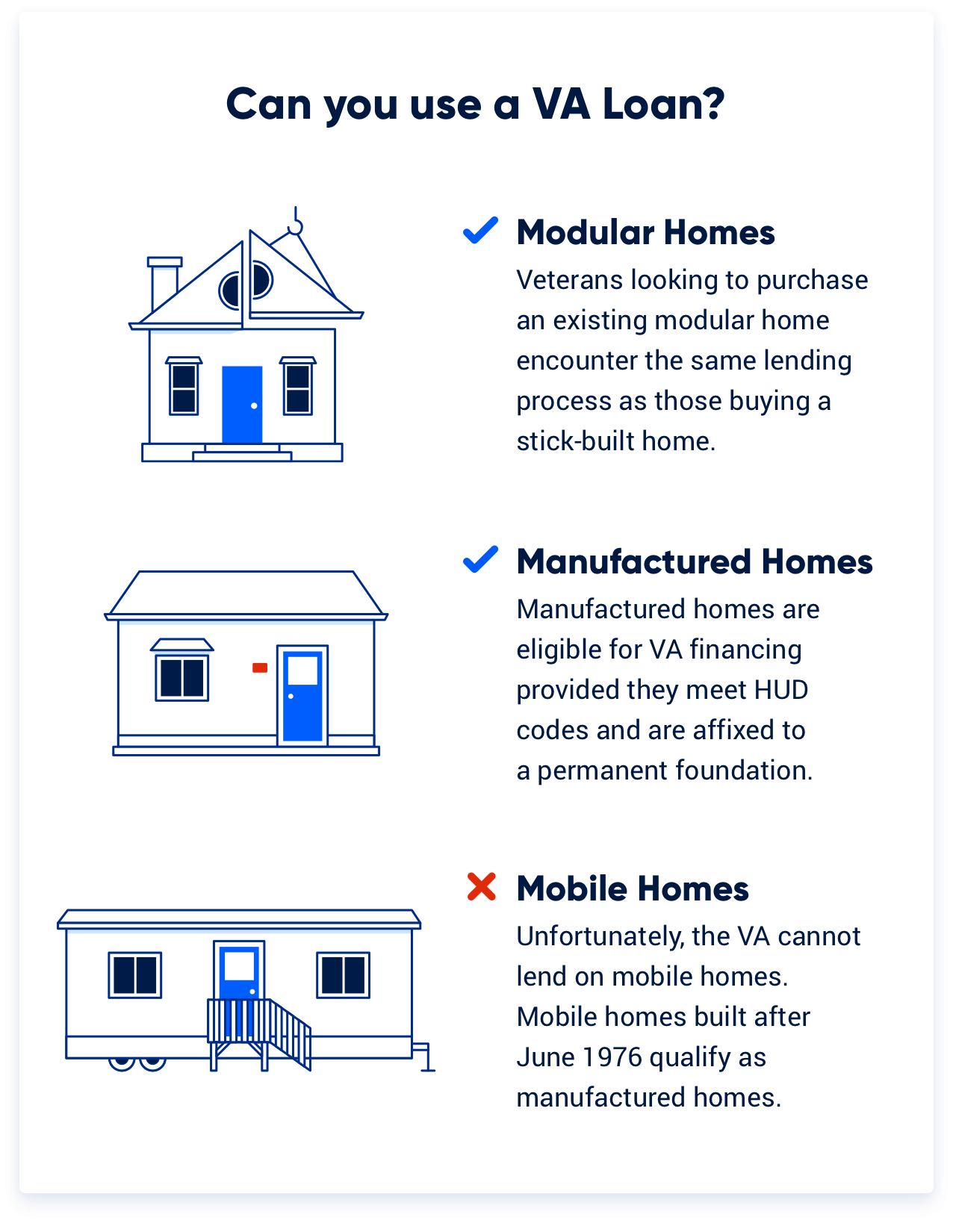
The program’s core mission is to help eligible Native American Veterans purchase, construct, or improve a home on Federal Trust Land or individually allotted land. For the purpose of this review, our focus is specifically on its application for new home construction, which presents its own set of considerations distinct from purchasing an existing property.
Eligibility for the NADL program is stringent but clear:
- Veteran Status: The applicant must be an eligible Native American Veteran who has served honorably in the U.S. military. Spouses of eligible Native American Veterans (including surviving spouses) may also qualify.
- Native American Identity: The Veteran (or spouse) must be Native American, and the property must be located on Federal Trust Land or individually allotted land within the boundaries of a federally recognized Native American Tribe.
- Creditworthiness: Applicants must meet the VA’s credit and income requirements to demonstrate their ability to repay the loan.
- Occupancy: The Veteran (or spouse) must intend to occupy the home as their primary residence.
When it comes to new construction, the NADL functions similarly to other construction loans but with the added layer of VA oversight and tribal land considerations. Funds are typically disbursed in stages, known as "draws," as construction milestones are met and verified by VA-approved inspectors. This process ensures that the home is built according to approved plans and specifications, protecting both the veteran and the VA’s investment.
Advantages of the VA NADL for Home Construction
The VA NADL program offers several compelling benefits that make it an invaluable resource for eligible Native American Veterans looking to build a home:
-
No Down Payment Required: This is arguably the most significant advantage. Unlike most conventional construction loans that demand substantial down payments (often 20% or more), the NADL program typically requires no money down. This eliminates a major financial hurdle for many veterans, allowing them to conserve their savings or allocate them towards other aspects of their new home.
-
No Private Mortgage Insurance (PMI): Similar to other VA loan programs, the NADL does not require borrowers to pay private mortgage insurance. PMI is a costly monthly expense associated with conventional loans where the borrower puts down less than 20%. The absence of PMI significantly reduces the overall monthly housing payment, making homeownership more affordable in the long run.
-
Competitive Interest Rates: As a direct loan from the VA, NADL often features highly competitive interest rates, which can be lower than those offered by conventional lenders. This directly translates to lower interest costs over the life of the loan, saving the veteran a substantial amount of money.
-
No VA Funding Fee (for some): While most VA loans include a VA funding fee, many NADL recipients, particularly those with service-connected disabilities, are exempt from paying this fee. This can represent another significant upfront saving, as the funding fee can range from 0.5% to 3.3% of the loan amount.
-
Access to Financing on Trust Lands: This is the program’s raison d’être. For many Native American Veterans, the NADL is the only viable option for securing a mortgage on Federal Trust Land. Commercial lenders are generally unwilling to finance properties on land that cannot be easily foreclosed upon or where complex title issues exist. The NADL directly addresses this market failure, opening the door to homeownership where none existed before.
-
VA Support and Oversight: The VA directly manages the loan process, providing counseling, guidance, and oversight. This can be a considerable advantage, as veterans work directly with a government agency dedicated to their well-being, rather than navigating the often-complex world of private lenders. For construction, VA-approved inspectors ensure quality and adherence to building codes and approved plans, adding a layer of protection for the veteran.
-
Flexibility in Loan Use: The NADL is specifically designed to support the construction of new homes, allowing veterans to build a custom home that meets their specific needs and cultural preferences. This includes financing for site preparation, utilities, and other essential components of a new build.
-
Longer Loan Terms: NADL loans can have terms up to 30 years, providing veterans with manageable monthly payments.
Disadvantages of the VA NADL for Home Construction
Despite its profound benefits, the VA NADL program, particularly for new construction, comes with its own set of challenges and limitations that prospective borrowers must carefully consider:
-
Strict Eligibility Requirements: The program is highly specific. It is exclusively for Native American Veterans (or their spouses) and only for properties on Federal Trust Land or individually allotted land within a federally recognized tribe. This immediately limits its applicability to a very narrow demographic. Veterans not meeting these specific criteria cannot utilize the NADL.
-
Complexity of Construction Loans: All construction loans are inherently more complex than loans for existing homes. They involve multiple disbursements (draws), detailed construction plans, rigorous inspections, and the management of contractors. This requires a higher degree of organization and oversight from the borrower. Delays in construction, cost overruns, or issues with contractors can significantly complicate the process.
-
Tribal Land Lease Requirements: While the VA directly finances the loan, the land itself is typically held in trust by the U.S. government for the benefit of the tribe or individual. To secure the loan, the veteran must obtain a VA-approved leasehold interest from the tribe or individual allottee, typically for a period of at least 25 years (renewable). Negotiating and securing this lease can be a lengthy and intricate process, requiring approval from tribal authorities and sometimes the Bureau of Indian Affairs (BIA).
-
Slower Processing Times: As a direct government loan, the NADL application and approval process can sometimes be slower and more bureaucratic than conventional loans. This is especially true when dealing with the added layers of tribal government approvals, land lease agreements, and the detailed review of construction plans. Patience is a virtue when pursuing an NADL construction loan.
-
Limited Awareness and Expertise: Compared to traditional VA-guaranteed loans, the NADL program is less widely known, even within the VA system. This can sometimes lead to challenges in finding VA staff or housing counselors with extensive experience in the NADL process, particularly concerning new construction on specific tribal lands.
-
Contractor Challenges on Tribal Lands: Finding qualified, licensed, and insured contractors willing to work on tribal lands can be difficult. Contractors may be unfamiliar with tribal regulations, face logistical challenges, or be hesitant due to the unique legal framework. The VA also has specific requirements for contractors (e.g., licensed, bonded, insured, and approved by the VA), which further narrows the pool of available builders.
-
Appraisal and Valuation Issues: Appraising properties on tribal trust lands can be challenging due to the lack of comparable sales data (comps) and the unique legal status of the land. Accurate appraisals are crucial for determining the loan amount, and difficulties here can impact the financing.
-
Loan Limits: While the VA generally doesn’t have a specific "loan limit" for NADL, the amount is ultimately determined by the veteran’s income, credit, and the appraised value of the property. For very high-cost construction projects, the loan amount might not cover the entire cost, requiring the veteran to cover the difference.
The Application Process: A Brief Overview
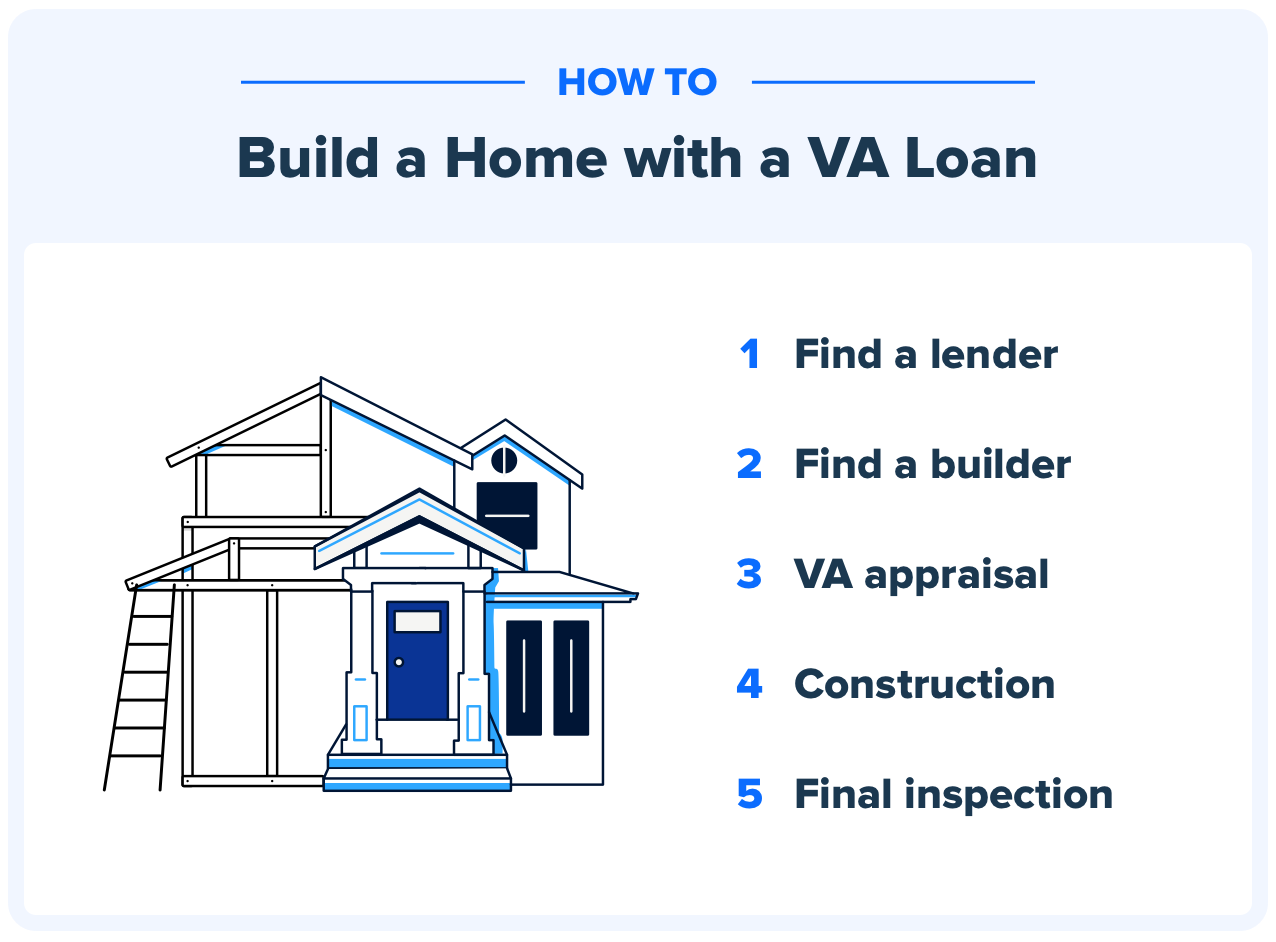
For a NADL construction loan, the process typically involves several key steps:
- Obtain a Certificate of Eligibility (COE): Confirms the veteran’s eligibility for VA home loan benefits.
- Contact the VA NADL Office: Initiate the process with the specialized VA NADL team.
- Secure Tribal Land Lease: Work with tribal authorities to obtain a VA-approved leasehold interest for the land where the home will be built. This is a critical and often time-consuming step.
- Develop Construction Plans: Create detailed blueprints and specifications for the home, ensuring they meet VA Minimum Property Requirements (MPRs) and local building codes.
- Select a VA-Approved Contractor: Find a builder who is licensed, insured, reputable, and willing to meet VA and tribal requirements.
- Submit Loan Application Package: This includes financial documents, credit reports, construction plans, and the land lease.
- VA Underwriting and Appraisal: The VA reviews the application, orders an appraisal of the proposed home, and ensures all requirements are met.
- Loan Closing and Construction Monitoring: Once approved, the loan closes, and construction begins with funds disbursed in stages as inspections confirm progress.
Recommendation: A Path Worth Pursuing (with Eyes Wide Open)
For the eligible Native American Veteran seeking to build a home on their ancestral trust lands, the VA Native American Direct Loan (NADL) is not just a viable option; in many cases, it is the only practical and financially advantageous pathway to homeownership. The program’s core benefits – no down payment, no PMI, competitive rates, and the ability to finance on trust land – are transformative.
My recommendation is a strong "Buy" for the right candidate, but with a significant caveat: Approach the NADL construction loan process with thorough preparation, unwavering patience, and a proactive mindset.
Here’s why and what to consider:
- Embrace the Uniqueness: Understand that this is a specialized program designed for a specialized need. Its complexity is a reflection of the unique legal and jurisdictional landscape of tribal lands, not a flaw in the program’s intent.
- Leverage Tribal Resources: Engage early and often with your tribal housing authority, tribal council, and any tribal veteran services. They are invaluable partners who can guide you through the lease process, connect you with local contractors, and help navigate tribal regulations.
- Be Patient and Persistent: The NADL process, especially for construction, can take longer than conventional loans. Expect delays, be prepared to provide additional documentation, and maintain regular communication with the VA NADL office.
- Due Diligence on Contractors: This is paramount for construction. Vet contractors thoroughly, ensure they are VA-approved, licensed, insured, have experience on tribal lands (if possible), and possess a solid track record. Get multiple bids and detailed contracts.
- Financial Readiness: While there’s no down payment, be prepared for potential out-of-pocket costs during construction (e.g., initial survey fees, unexpected site preparation, or covering minor cost overruns not financed).
- Seek Expert Guidance: If possible, connect with other Native American Veterans who have successfully utilized the NADL for construction. Their insights can be invaluable.
In conclusion, the VA NADL program for home construction stands as a powerful testament to the nation’s commitment to its Native American Veterans. It addresses a critical housing need that traditional markets fail to meet, empowering veterans to build a permanent home and establish roots within their communities. While the journey may be demanding, the destination – a custom-built home on sacred ground, financed with the benefits earned through service – is a dream undeniably worth pursuing. For those who qualify, the NADL offers not just a loan, but a pathway to self-determination and lasting legacy.


