Unlocking Home Potential: A Comprehensive Review of the HUD 184 Loan for Home Improvement Projects
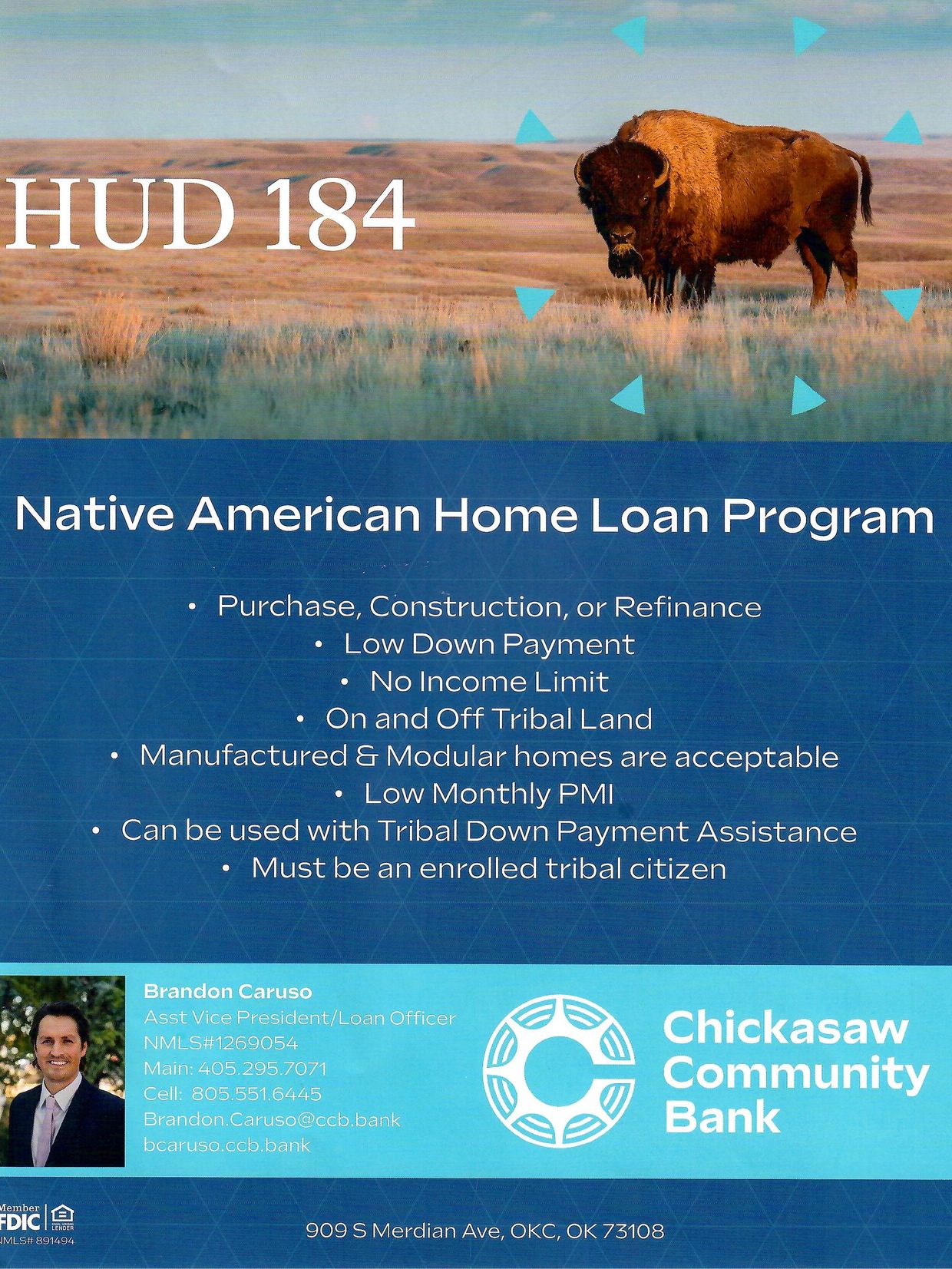
The dream of homeownership is often intertwined with the desire to personalize and improve one’s living space. Whether it’s adding a much-needed bedroom, renovating an outdated kitchen, or making essential structural repairs, home improvement projects can significantly enhance comfort, functionality, and property value. For members of federally recognized Native American Tribes and Alaska Native Villages, a unique and powerful financial tool exists to help turn these dreams into reality: the Section 184 Indian Home Loan Guarantee Program, often simply referred to as the HUD 184 Loan.
While primarily known for facilitating home purchases, the HUD 184 loan also extends its benefits to refinancing and, crucially, home improvement projects. This article provides an in-depth review of the HUD 184 loan specifically tailored for home improvement, exploring its mechanics, distinct advantages, potential drawbacks, and ultimately, offering a recommendation for those considering this specialized financial product.
What is the HUD 184 Loan? A Brief Overview
Before diving into its home improvement applications, it’s essential to understand the core purpose and structure of the HUD 184 loan. Established by the Indian Housing Act of 1992, the program is designed to increase homeownership opportunities for Native American and Alaska Native families, individuals, and Tribal governments. It provides a loan guarantee to approved lenders, reducing their risk and encouraging them to lend to Native borrowers, particularly in areas where conventional financing might be scarce or challenging to obtain.

This guarantee means that if a borrower defaults, HUD will cover a significant portion of the loss, making lenders more willing to offer favorable terms. The loan is available for properties on or off Native lands, including trust land, allotted land, and fee simple land, provided the property is located within an eligible area.
HUD 184 for Home Improvement Projects: How It Works
For existing homeowners, the HUD 184 loan can be a powerful instrument for funding home improvements. There are generally two primary ways it facilitates renovations:
-
Refinancing with Cash-Out for Improvements: This is the most common approach. Homeowners with existing mortgages (which can be conventional, FHA, VA, or even another HUD 184 loan) can refinance into a new HUD 184 loan that includes an additional amount for home improvements. The cash-out portion is based on the home’s appraised value (after improvements, in some cases) and the borrower’s equity. This allows homeowners to access their home’s equity at a competitive interest rate to fund their projects.
-
Purchase/Construction Loan Including Improvements: For those buying or building a home, the HUD 184 loan can incorporate the cost of initial improvements or necessary repairs directly into the original loan amount. While not strictly a "home improvement" loan for an existing home, it’s a crucial aspect for ensuring new homes meet desired standards from day one.
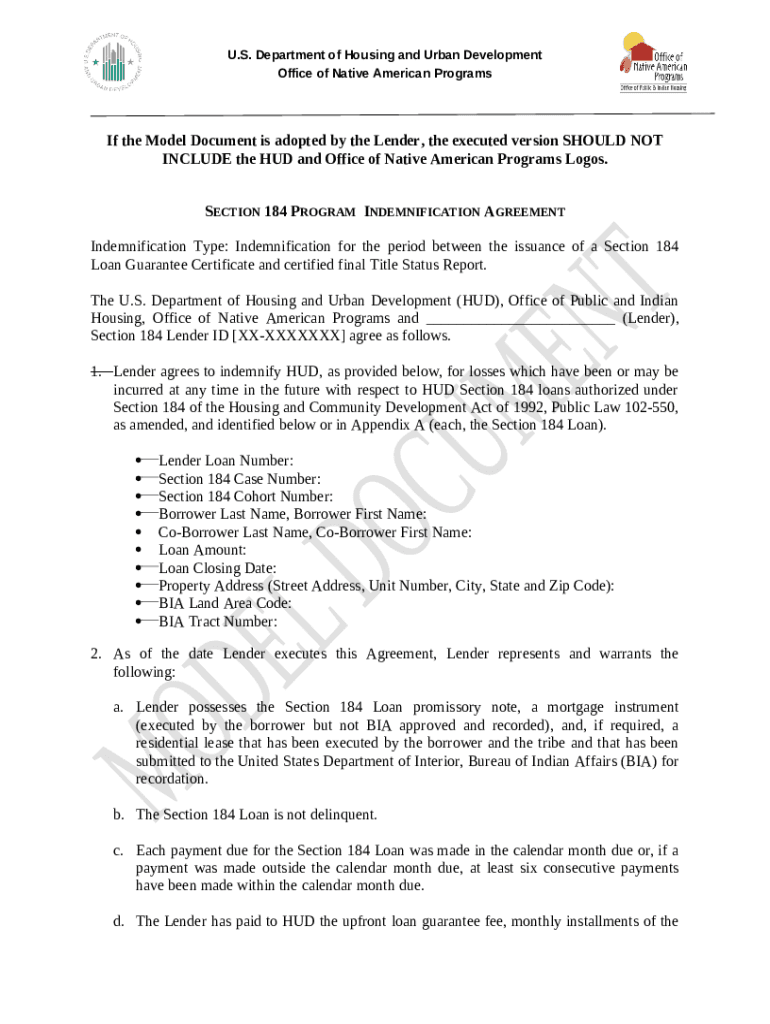
Unlike some other home improvement loans (like a standalone personal loan or credit card), the HUD 184 loan is secured by the property itself, making it a mortgage product. This often results in more favorable interest rates and longer repayment terms compared to unsecured options.
The Advantages (Pros) of the HUD 184 Loan for Home Improvement
The HUD 184 loan offers several compelling benefits that make it an attractive option for eligible homeowners looking to improve their properties:
-
Tailored Support for Native Communities: This is the most significant advantage. The program is specifically designed to address the unique challenges and needs of Native American and Alaska Native borrowers. This specialized focus means that the underwriting process often takes into account factors unique to tribal economies and land tenure, which might be overlooked by conventional lenders. It fosters economic development and strengthens homeownership within these communities.
-
Flexible Underwriting Guidelines: Compared to conventional loans, HUD 184 loans often feature more flexible underwriting. Lenders are encouraged to look beyond strict credit scores and consider alternative forms of credit history, tribal trust income, and non-traditional employment. This flexibility is invaluable for borrowers who might not fit the mold of a traditional mortgage applicant but are financially stable and capable of managing a loan.
-
Lower Interest Rates: Due to the HUD guarantee, lenders face less risk, which often translates into more competitive interest rates for borrowers. These rates are typically fixed for the life of the loan, providing predictability and stability in monthly payments, a significant advantage when planning for long-term home improvement costs.
-
Manageable Guarantee Fees (No Monthly PMI for Life): While HUD 184 loans do have an upfront guarantee fee (similar to an FHA upfront mortgage insurance premium) and an annual guarantee fee, the annual fee structure is often more favorable than other government-backed loans. Crucially, the annual guarantee fee can be canceled once the loan-to-value (LTV) ratio reaches a certain threshold (typically 78% or 80%), unlike FHA loans where mortgage insurance can be for the life of the loan. This can result in substantial long-term savings.
-
Lower Down Payment (for Refinance/Cash-Out): When refinancing with a cash-out for improvements, the required equity might be less stringent than for conventional cash-out refinances. This means homeowners may not need as much equity built up in their home to access funds for improvements, making it more accessible.
-
Versatility of Projects: The funds obtained through a HUD 184 home improvement loan can be used for a wide range of projects. This includes essential structural repairs, major renovations (kitchens, bathrooms), additions, energy efficiency upgrades, accessibility modifications, and even some cosmetic improvements, provided they add value and meet HUD’s property standards.
-
Single Loan for All Costs: Rather than taking out multiple smaller loans or using high-interest credit cards for various aspects of a renovation, a HUD 184 cash-out refinance allows borrowers to consolidate all improvement costs into a single, manageable mortgage payment with a competitive interest rate.
-
Property on Tribal Lands: For those living on trust or restricted lands, the HUD 184 loan is often the only viable mortgage option, as conventional lenders are typically hesitant to lend on these types of properties due to complex land tenure issues. This makes it an indispensable tool for home improvement in these unique settings.
The Disadvantages (Cons) of the HUD 184 Loan for Home Improvement
Despite its many advantages, the HUD 184 loan also comes with certain limitations and challenges that prospective borrowers should be aware of:
-
Strict Eligibility Requirements: The most significant limitation is that the loan is exclusively available to members of federally recognized Native American Tribes or Alaska Native Villages. This immediately restricts its availability to a specific demographic. Verification of tribal enrollment is a mandatory part of the application process.
-
Limited Lender Availability: While the program has grown, not all mortgage lenders offer HUD 184 loans. Finding an approved lender, especially one experienced in home improvement aspects of the program and familiar with specific tribal housing authorities, can sometimes be a challenge. Borrowers might need to search specifically for lenders specializing in Native American housing programs.
-
Geographic Restrictions: While it supports properties on and off tribal lands, the property must be located within an eligible service area. These areas are typically defined by HUD and are often near tribal lands or within states with significant Native American populations. This means if you are an eligible tribal member living far from these designated areas, you might not qualify.
-
Property Standards and Inspections: Similar to other government-backed loans (like FHA), properties financed through HUD 184 must meet specific safety, soundness, and sanitary standards set by HUD. For home improvement projects, this can mean that an initial inspection might reveal pre-existing issues that must be addressed before the improvement funds are disbursed, potentially adding to the project’s complexity and initial cost. Furthermore, depending on the project’s scope, multiple inspections might be required during and after construction.
-
Project Oversight and Requirements: For significant home improvement projects, the lender and HUD may require detailed plans, contractor bids, and potentially construction draws, where funds are released in stages as work is completed and inspected. This level of oversight, while ensuring quality and proper use of funds, can add layers of bureaucracy and extend the project timeline compared to simply receiving a lump sum.
-
Processing Time: The unique nature of the HUD 184 loan, coupled with its specific underwriting requirements, tribal verification, and property inspections, can sometimes lead to longer processing and closing times compared to conventional loans. Patience is often required.
-
Guarantee Fees Still Apply: While more favorable than some alternatives, the upfront and annual guarantee fees are still an added cost. Borrowers need to factor these into their overall loan expenses.
-
Not Ideal for Small Projects: For very minor home improvements (e.g., painting a room, replacing a faucet), refinancing into a HUD 184 loan might be overkill due to the associated closing costs, appraisal fees, and processing time. For such small projects, a personal loan or savings might be more appropriate.
-
Less Common for Standalone Improvement Loans: While technically possible, it’s less common for a HUD 184 loan to be issued solely for home improvement without a concurrent purchase or a cash-out refinance. Most often, the home improvement component is integrated into a larger mortgage transaction.
Who Should Consider the HUD 184 Loan for Home Improvement?
The HUD 184 loan for home improvement is an excellent option for a very specific demographic:
- Members of federally recognized Native American Tribes or Alaska Native Villages. This is non-negotiable.
- Existing homeowners who wish to undertake substantial home improvement projects (e.g., major renovations, additions, structural repairs) that would significantly enhance their property’s value and livability.
- Homeowners with sufficient equity (or who are purchasing a home and wish to include initial improvements) who can benefit from competitive, fixed interest rates and flexible underwriting.
- Individuals who might face challenges with conventional financing due to credit history, income sources, or the location of their property (especially on tribal lands).
- Those willing to navigate a more specialized application and project oversight process in exchange for the program’s unique benefits.
The Application Process for Home Improvement
Applying for a HUD 184 home improvement loan (typically via a cash-out refinance) involves several key steps:
- Find an Approved Lender: Seek out lenders experienced in HUD 184 loans, ideally ones familiar with home improvement aspects.
- Pre-Qualification/Pre-Approval: Discuss your financial situation, project plans, and get an estimate of how much you can borrow.
- Tribal Enrollment Verification: Provide documentation confirming your tribal membership.
- Application Submission: Complete the formal application, providing financial documents (income, assets, debts) and details about your home improvement project (plans, contractor bids).
- Appraisal and Property Review: The home will be appraised (often with an "as-is" and "as-completed" value) and inspected to ensure it meets HUD’s Minimum Property Standards.
- Underwriting: The lender reviews all documentation, including your creditworthiness and the feasibility of your project.
- Closing: If approved, you sign the loan documents, and funds are typically disbursed according to a construction draw schedule for larger projects, or as a lump sum for smaller, immediate needs.
Recommendation: A Highly Recommended, Niche Product
For its intended audience, the HUD 184 Loan for home improvement projects is highly recommended. It stands as an unparalleled financial tool designed to empower Native American and Alaska Native communities by facilitating crucial investments in their homes.
Its unique combination of flexible underwriting, competitive fixed interest rates, and the potential for long-term savings on guarantee fees makes it superior to many conventional alternatives for eligible borrowers. For those on tribal lands, it is often the only viable mortgage option.
However, the recommendation comes with a crucial caveat: it is a niche product. Prospective borrowers must meet the strict tribal enrollment criteria and be prepared for a potentially longer and more detailed application process, including adherence to HUD property standards and project oversight.
Before committing, we recommend:
- Thoroughly researching approved HUD 184 lenders and seeking out those with specific experience in home improvement loans.
- Obtaining multiple bids from qualified contractors for your project.
- Understanding all fees and costs associated with the loan, including guarantee fees, closing costs, and appraisal fees.
- Carefully evaluating whether the scale of your home improvement project justifies the refinancing process. For very minor projects, other financing might be simpler.
In conclusion, the HUD 184 Loan for home improvement is not just a financial product; it’s a testament to a commitment to community development and self-determination. For eligible Native American and Alaska Native homeowners, it represents a powerful and equitable pathway to transforming their houses into the homes of their dreams. When properly utilized, it can be a cornerstone of lasting financial security and enhanced living.
Disclaimer: This article provides general information and is not intended as financial advice. Specific loan terms, eligibility, and program details can vary. Always consult with a qualified HUD 184 lender and financial advisor to discuss your individual circumstances and project needs.


