Navigating the Path to Homeownership: A Comprehensive Review of Pre-Approval for the HUD Section 184 Loan
The dream of homeownership is a cornerstone of financial stability and community building, yet for many, particularly within Native American and Alaska Native communities, unique challenges can make this dream seem distant. Enter the HUD Section 184 Indian Home Loan Guarantee Program, a powerful tool designed to make homeownership accessible for eligible individuals, families, and tribal governments. While the Section 184 loan itself is a game-changer, its true potential is unlocked by a crucial preliminary step: pre-approval.
This comprehensive review will delve into the intricacies of obtaining pre-approval for a HUD Section 184 loan, treating it as a vital "product" in the home-buying journey. We will explore its benefits, acknowledge its drawbacks, and ultimately provide a definitive recommendation on its "purchase" – that is, its pursuit.
Understanding the HUD Section 184 Indian Home Loan Guarantee Program
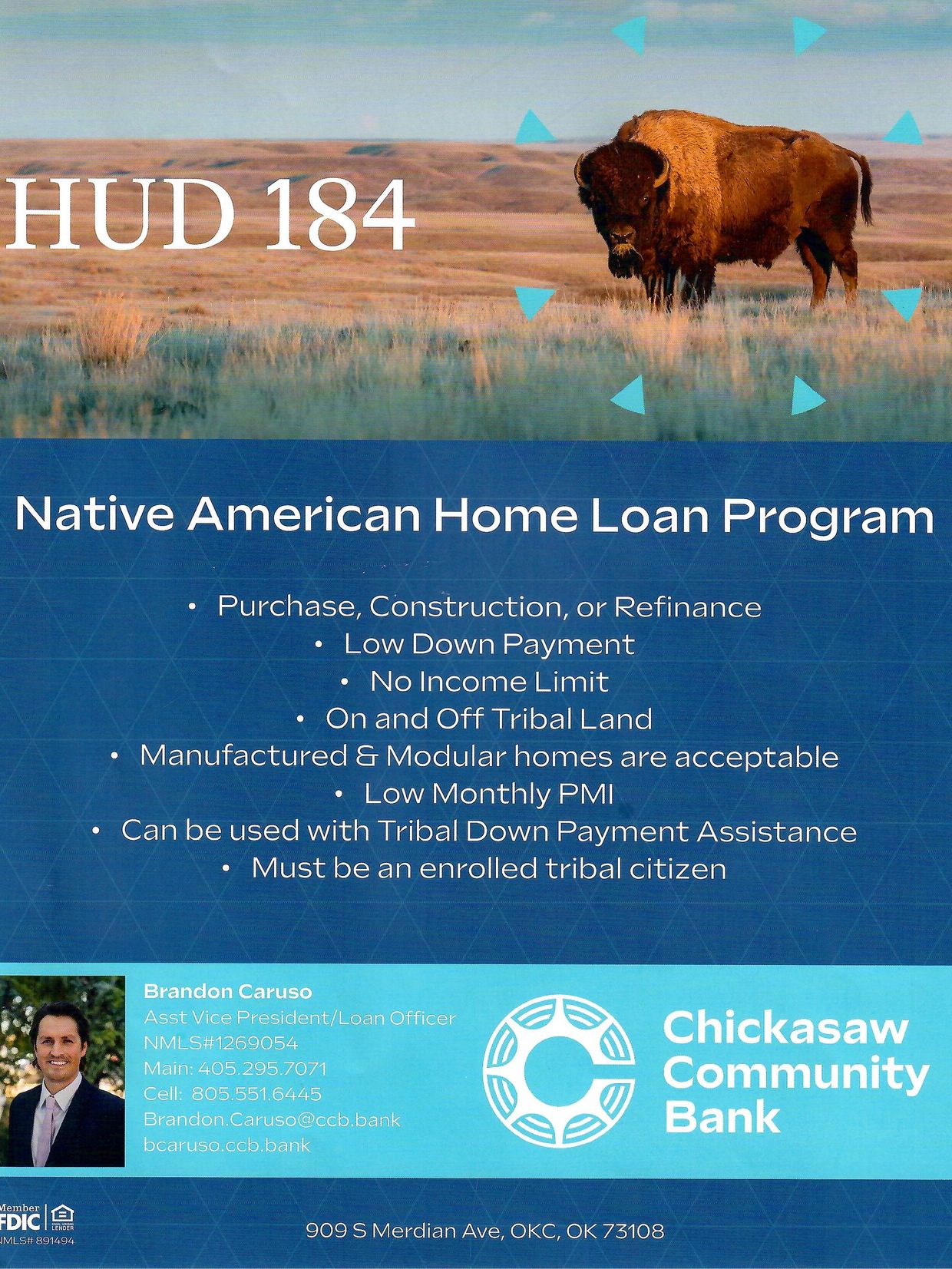
Before dissecting pre-approval, it’s essential to grasp the core of the Section 184 program. Established in 1992, this unique mortgage product is specifically for eligible Native American and Alaska Native individuals, federally recognized Indian Tribes, or Tribally Designated Housing Entities. Its primary goal is to address the severe housing shortages and substandard living conditions prevalent in many Native communities.

Key features of the Section 184 loan include:
- Low Down Payment: Often as low as 2.25% for loans over $50,000 and 1.25% for loans under $50,000.
- Flexible Underwriting: Lenders are encouraged to consider non-traditional credit references and unique income sources common in tribal economies.
- Competitive Interest Rates: Rates are typically market-driven and often comparable to conventional loans.
- No Monthly Mortgage Insurance (PMI): Instead, there’s a one-time upfront guarantee fee of 1.5% (which can be financed into the loan), significantly reducing monthly payments compared to FHA or conventional loans with less than 20% down.
- Property Eligibility: Loans can be used to purchase, construct, or rehabilitate homes on fee simple land, tribal trust land, or individually owned trust land, including manufactured homes permanently affixed to the land.
- Direct Endorsement Lenders: Loans are originated by private lenders (banks, credit unions) who are approved by HUD to participate in the Section 184 program. HUD guarantees 100% of the loan to these lenders, reducing their risk.

This program isn’t just a loan; it’s a pathway to self-sufficiency and economic empowerment for Native communities, recognizing and accommodating the unique legal and cultural aspects of tribal lands.
The Crucial Step: Pre-Approval for a Section 184 Loan
Pre-approval is more than just a casual inquiry; it’s a formal assessment by a lender of your financial health and borrowing capacity. For the Section 184 loan, this step takes on even greater significance due to the program’s specific requirements and the unique circumstances of tribal land ownership.
A Section 184 pre-approval involves a comprehensive review of your:
- Credit History: A hard inquiry is made into your credit report to assess your payment history and existing debt.
- Income and Employment: Verification of stable income, typically through pay stubs, W-2s, tax returns, and employment verification.
- Assets: Examination of bank statements, investment accounts, and other liquid assets to confirm funds for down payment and closing costs.
- Debt-to-Income Ratio (DTI): Calculation of your monthly debt payments relative to your gross monthly income to ensure affordability.
- Tribal Enrollment/Eligibility: Crucially, for Section 184, the lender will also verify your eligibility as a Native American or Alaska Native, usually requiring documentation such as a Certificate of Degree of Indian Blood (CDIB) or tribal enrollment card.
Once this information is verified, the lender provides a formal pre-approval letter stating the maximum loan amount you qualify for, often with an interest rate estimate (though rates are not locked until closing). This letter is typically valid for 60-90 days, allowing you ample time to search for a home.
Benefits (Pros) of Section 184 Pre-Approval
Pursuing pre-approval for a HUD Section 184 loan offers a multitude of advantages, transforming the daunting home-buying process into a more streamlined and confident journey.
-
Financial Clarity and Informed Budgeting: Perhaps the most immediate benefit, a pre-approval provides a clear picture of how much you can realistically afford to borrow. This isn’t just a ballpark figure; it’s a lender-verified maximum based on your income, debts, and creditworthiness. For Section 184 borrowers, understanding this limit early prevents the emotional roller coaster of falling in love with a home only to discover it’s beyond reach. It empowers you to focus your property search within a viable price range, saving time and emotional energy.
-
Increased Credibility and Offer Strength: In a competitive housing market, a pre-approval letter is your strongest negotiation tool. It signals to sellers and real estate agents that you are a serious, qualified buyer, capable of securing financing. For homes on or near tribal lands, where unique property considerations might arise, a pre-approved Section 184 buyer demonstrates not only financial readiness but also an understanding of the specific program requirements, potentially making your offer more attractive.
-
Expedited Closing Process: Many of the financial verification steps required for pre-approval are the same as those needed for final loan approval. By completing these upfront, you significantly shorten the time it takes to process your loan once you find a home. This is particularly valuable for Section 184 loans, which can sometimes involve additional steps related to tribal land leases or Bureau of Indian Affairs (BIA) approvals. A pre-approved borrower has already cleared many hurdles, paving the way for a smoother and quicker closing.
-
Uncovering Potential Issues Early: The pre-approval process acts as a financial health check-up. The lender’s review of your credit report, income, and debt can reveal issues you might not have been aware of – a forgotten bill, an error on your credit report, or a higher-than-expected debt-to-income ratio. Identifying these problems early provides an opportunity to address them before you’re under contract, preventing last-minute surprises that could jeopardize your home purchase. For Section 184, this could also include ensuring tribal documentation is complete and accurate.
-
Peace of Mind and Reduced Stress: Knowing your financial standing and having a clear budget reduces anxiety throughout the home search. You can focus on finding the right home, rather than constantly worrying if you’ll qualify for the loan. This peace of mind is invaluable, especially when navigating the significant life event of buying a home.
-
Guidance from Section 184 Specialists: Engaging in the pre-approval process connects you with lenders specializing in the Section 184 program. These lenders understand the nuances of tribal land, BIA processes, and the specific eligibility criteria. Their expertise can be invaluable in guiding you through not just the loan process but also the broader implications of homeownership within tribal communities.
-
Saving Time and Effort: Without pre-approval, you might spend weeks or months searching for homes that are ultimately out of your price range or on land types that aren’t feasible for your financing. Pre-approval streamlines your search, ensuring every home you consider is a viable option, thus saving considerable time and emotional energy.
Challenges (Cons) of Section 184 Pre-Approval
While the advantages are substantial, pre-approval for a Section 184 loan is not without its considerations and potential drawbacks.
-
Time and Effort Investment: The process requires gathering numerous documents – pay stubs, bank statements, tax returns, employment letters, and crucially, tribal enrollment verification. This can be a time-consuming and sometimes frustrating endeavor, especially for those with complex financial situations or those who need to obtain specific tribal documentation.
-
Temporary Impact on Credit Score: When a lender performs a "hard inquiry" into your credit report for pre-approval, it can cause a slight, temporary dip in your credit score (typically a few points). While this usually recovers quickly, multiple hard inquiries over a short period can accumulate. However, credit scoring models often treat multiple inquiries for the same type of loan within a short window (e.g., 14-45 days) as a single inquiry, so shopping for the best lender within a reasonable timeframe minimizes this impact.
-
Not a Guarantee of Final Approval: A pre-approval is conditional. It’s based on the information provided at that time and assumes no significant changes to your financial situation. If your income decreases, you take on new debt, or discrepancies are found during full underwriting (e.g., during appraisal or title review, especially complex on tribal lands), final loan approval can still be denied. This can lead to disappointment if expectations aren’t managed.
-
Information Overload: Especially for first-time homebuyers, the sheer volume of financial information requested and the terms used by lenders can be overwhelming. Understanding credit scores, debt-to-income ratios, interest rates, and the specific requirements of the Section 184 program (like BIA leasehold processes) requires focused attention and clear communication with the lender.
-
Limited Number of Section 184 Lenders: While the program is nationwide, not all lenders are approved to offer Section 184 loans. This means borrowers might need to search more diligently to find a participating lender, particularly in areas less familiar with tribal land transactions. This limited pool might also reduce options for rate shopping compared to conventional loans.
-
Specific Tribal Documentation Delays: The requirement for tribal enrollment verification, CDIB, or other tribal-specific documents can sometimes introduce delays if these documents are not readily available or if tribal offices have a backlog. Navigating tribal government procedures requires patience and foresight.
-
Pre-Approval Letter Expiration: Pre-approval letters have an expiration date, typically 60 to 90 days. If you haven’t found a home by then, you’ll need to update your financial information and potentially undergo another credit check to get a renewed letter, adding to the recurring effort.
Who Should Consider Section 184 Pre-Approval?
Anyone eligible for the HUD Section 184 loan program who is serious about purchasing a home should strongly consider obtaining pre-approval. This includes:
- First-time homebuyers: To demystify the process and build confidence.
- Individuals looking to refinance an existing home: To understand their new borrowing capacity and potential savings.
- Those planning to build a new home: To secure financing before construction begins.
- Anyone navigating the unique landscape of homeownership on tribal lands: To ensure all specific requirements are met early on.
Maximizing Your Section 184 Pre-Approval Experience
To get the most out of your pre-approval, consider these tips:
- Choose the Right Lender: Seek out lenders with extensive experience in Section 184 loans and a strong understanding of tribal land issues. Ask for references and read reviews.
- Be Thorough and Honest with Documentation: Provide all requested documents promptly and accurately. Any discrepancies will only cause delays later.
- Understand Your Numbers: Don’t just get a letter; understand what your DTI is, what your credit score means, and what your estimated monthly payments will be. Ask questions!
- Don’t Make Major Financial Changes: Once pre-approved, avoid opening new credit lines, making large purchases, changing jobs, or significantly altering your financial situation until your loan closes.
- Communicate Regularly: Stay in touch with your lender and real estate agent. Keep them informed of your home search progress and any potential changes.
Recommendation: An Unequivocal "Buy"
After a thorough review of its benefits and challenges, the recommendation for pursuing pre-approval for a HUD Section 184 loan is an unequivocal "Strong Buy."
While it demands an investment of time and effort upfront, the advantages far outweigh the drawbacks. Pre-approval for a Section 184 loan is not merely a formality; it is a strategic imperative. It empowers the borrower with financial clarity, strengthens their position in a competitive market, and significantly de-risks a process that can be complex, especially when dealing with the unique aspects of tribal land ownership.
For eligible Native American and Alaska Native families, the Section 184 loan represents a profound opportunity to achieve the dream of homeownership. Pre-approval is the essential first step in transforming that opportunity into a tangible reality. It acts as a compass, guiding you through the often-intimidating terrain of mortgage financing, ensuring you are prepared, confident, and ultimately, successful in securing a place to call home within your community. Don’t skip this critical "product" in your home-buying toolkit; it’s the foundation for a smoother, more successful journey to homeownership.


