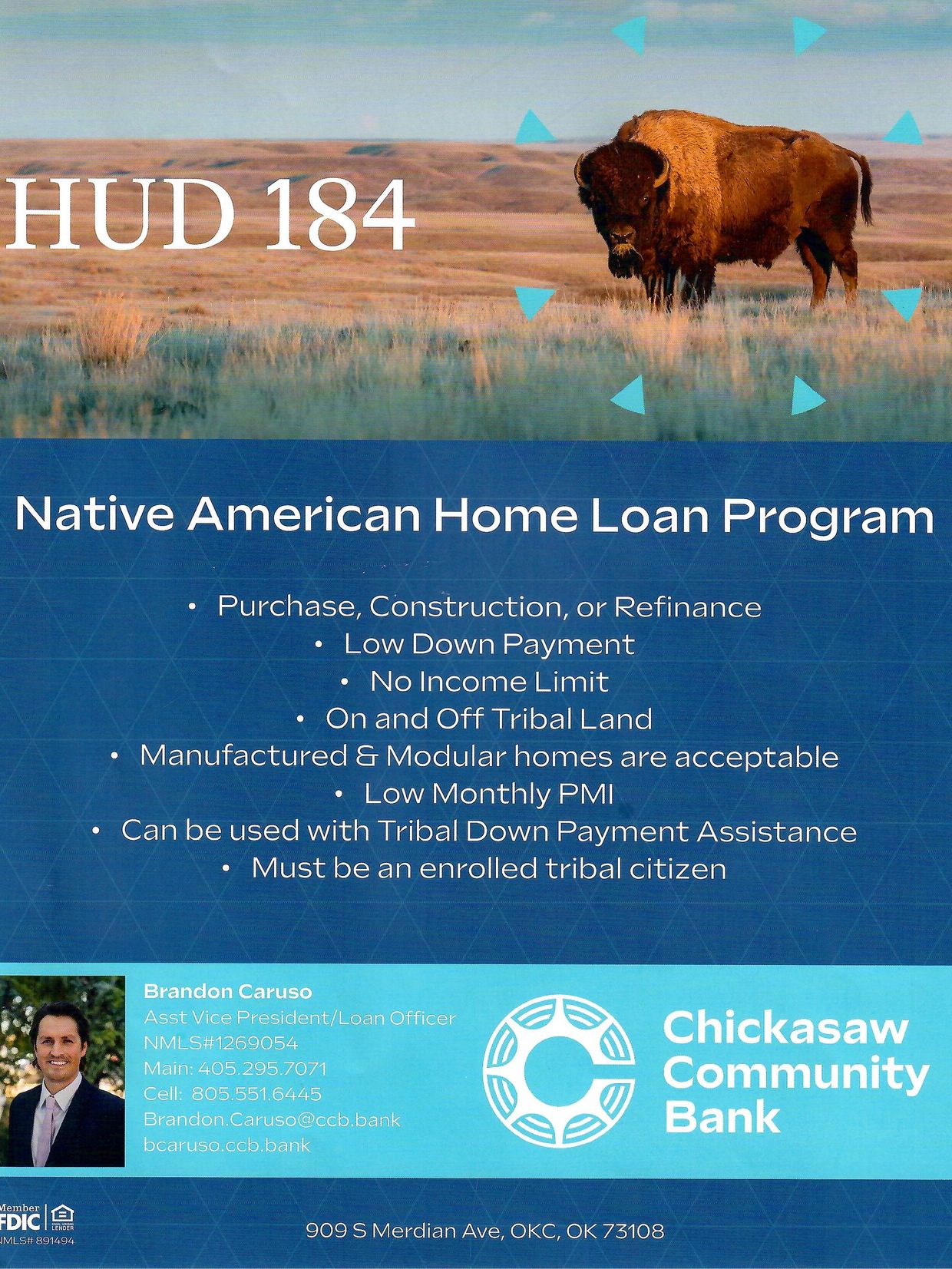
Navigating the Sacred Ground: A Deep Dive into HUD 184 Loan Property Appraisal Guidelines
Homeownership, for many, represents stability, wealth building, and a cornerstone of community. Yet, for Native American and Alaska Native communities, the path to this dream has historically been fraught with unique challenges, often exacerbated by complex land tenure systems and systemic underinvestment. The HUD Section 184 Indian Home Loan Guarantee Program stands as a vital bridge, offering a direct and federally guaranteed mortgage program designed specifically for eligible Native American and Alaska Native individuals, tribal governments, and Tribally Designated Housing Entities (TDHEs).
At the heart of any mortgage transaction lies the property appraisal – a critical step that determines the home’s value and ensures it meets essential standards. For the HUD 184 program, these appraisal guidelines are not merely procedural; they are a meticulously crafted framework, acting as both a protective shield for borrowers and a robust risk mitigation tool for lenders and the federal government. This comprehensive review will dissect the HUD 184 loan property appraisal guidelines, exploring their core tenets, dissecting their strengths and weaknesses, and ultimately offering a recommendation on the program’s overall utility.
The HUD 184 Loan Program: A Foundation of Opportunity
Before delving into the appraisal specifics, it’s crucial to understand the context of the HUD 184 program itself. Administered by the Office of Loan Guarantee (OLG) within the Department of Housing and Urban Development (HUD), this program provides a 100% guarantee to lenders who make mortgage loans to eligible Native American and Alaska Native borrowers. This guarantee significantly reduces the risk for lenders, encouraging them to operate in areas where conventional financing might be scarce or prohibitively expensive.

The program’s primary objective is to increase homeownership and access to capital for Native American communities, both on and off tribal lands, including reservations, trust lands, and eligible areas. It offers flexible underwriting, lower down payment requirements, and competitive interest rates, making homeownership more attainable for its target demographic. The unique aspect, and the one that profoundly impacts appraisal, is its ability to finance homes on various land tenure types, including fee simple land (standard ownership), and the more complex trust or restricted lands, and leasehold estates prevalent in Indian Country.
The Cornerstone: HUD 184 Property Appraisal Guidelines
The appraisal process for a HUD 184 loan is designed to ensure that the property being financed is safe, sound, sanitary, and provides adequate collateral for the loan. While sharing many similarities with conventional and FHA appraisals (e.g., use of the Uniform Residential Appraisal Report, Fannie Mae Form 1004), HUD 184 appraisals carry specific additional requirements tailored to the program’s unique context.
Core Principles and Specific Requirements:
-
Qualified Appraisers: Appraisers must be state-licensed or certified and possess demonstrable competence and familiarity with the specific geographic area and, crucially, with tribal land tenure systems. While not explicitly requiring FHA roster approval, many lenders prefer appraisers with FHA experience due to the similar emphasis on property condition. The OLG often reviews appraiser qualifications and may require additional information if concerns arise regarding their expertise in Indian Country.
-

Minimum Property Standards (MPS) and Minimum Property Requirements (MPR): These are paramount. The appraisal goes beyond just estimating market value; it rigorously assesses the property’s physical condition to ensure it meets basic health, safety, and structural soundness standards. This includes:
- Structural Integrity: Foundation, roof, walls, and structural components must be sound.
- Utilities: Adequate and safe heating, plumbing (potable water, waste disposal), and electrical systems are required.
- Access: Safe and adequate access to the property (roads, driveways).
- Freedom from Hazards: No observable health or safety hazards (e.g., exposed wiring, lead-based paint hazards, active leaks, pest infestations, inadequate ventilation).
- Environmental Concerns: Appraisers must identify potential environmental hazards, which can be particularly relevant on tribal lands with historical industrial or agricultural use.
- Overall Condition: The property must be habitable and free from major deficiencies that would impact its long-term viability.
-
Land Tenure Complexity – Leasehold vs. Fee Simple: This is perhaps the most significant differentiator.
- Fee Simple: Standard ownership where the owner holds full title to both the land and the improvements. Appraisals here follow conventional methodologies.
- Leasehold Estate: Common on tribal trust or restricted lands, where the borrower owns the improvements (the house) but leases the land from the tribe or an individual allottee. The appraisal must:
- Identify and Analyze the Ground Lease: This lease is a critical document. The appraiser must review its terms, duration, renewal options, and any specific covenants or restrictions. The lease must be for a term of at least 10 years beyond the maturity date of the mortgage.
- Value the Leasehold Interest: This involves valuing the improvements and the leasehold interest in the land, not the fee simple interest of the land itself. This requires a nuanced understanding of how local market participants view and value leasehold interests.
- Comparable Sales (Comps): Finding comparable sales of leasehold properties can be extremely challenging, especially in rural or less active markets. Appraisers often need to make significant adjustments for land tenure differences when using fee simple comparables, or rely on more complex valuation techniques.
-
Market Analysis in Unique Areas: Many HUD 184 properties are located in rural, remote, or reservation areas with limited market activity. Appraisers must demonstrate a thorough understanding of the local market, including:
- Scarcity of Comps: When direct comparables are limited, appraisers must expand their search area or utilize alternative valuation methods, clearly documenting their methodology and adjustments.
- Unique Property Types: Homes in these communities may be non-traditional, self-built, or manufactured homes, requiring specific expertise in their valuation.
- Impact of Tribal Laws/Customs: Appraisers must be aware of how tribal ordinances, customs, and economic conditions might influence property values and marketability.
-
Documentation and Reporting: HUD 184 appraisals require meticulous documentation. The appraiser’s report must clearly articulate the basis for their value opinion, detail all property deficiencies, provide photographic evidence, and thoroughly explain any adjustments made, especially those related to land tenure.
The Strengths of the HUD 184 Appraisal Guidelines (Pros)
The rigorous nature of the HUD 184 appraisal guidelines, while sometimes perceived as burdensome, offers substantial benefits:
-
Borrower Protection and Safety: This is arguably the most significant advantage. By strictly enforcing MPS and MPR, the guidelines ensure that borrowers are investing in safe, habitable, and structurally sound homes. This prevents borrowers from unknowingly purchasing properties with hidden defects or immediate health hazards, a crucial protection in communities that may have fewer resources for home repairs.
-
Risk Mitigation for Lenders and the Federal Government: The thorough appraisal process provides a robust assessment of the collateral. This minimizes the risk of default due as a result of a property’s condition deteriorating quickly or being overvalued. The federal guarantee is protected by ensuring the underlying asset is sound, fostering long-term program stability.
-
Encourages Sustainable Homeownership: By ensuring quality homes, the program contributes to long-term homeownership success. Homes that meet MPS are less likely to incur costly, unexpected repairs shortly after purchase, reducing financial strain on homeowners and promoting housing stability.
-
Standardization and Consistency: Despite the unique challenges of tribal lands, the guidelines strive for a consistent application of valuation principles. This provides a clear framework for appraisers, lenders, and borrowers, fostering transparency and fairness across the program.
-
Addresses Unique Land Tenure: The guidelines explicitly acknowledge and provide a framework for appraising properties on leasehold estates, which is critical for homeownership on trust lands. This flexibility allows the program to function in areas where conventional financing often falters due to the complexity of land ownership.
-
Supports Community Development: By requiring sound housing, the program indirectly encourages higher housing standards within tribal communities. Over time, this can lead to improved housing stock and contribute to overall community development and well-being.
The Challenges and Limitations (Cons)
Despite their protective intent, the HUD 184 appraisal guidelines are not without their drawbacks, primarily stemming from their specificity and the unique environments in which the program operates:
-
Appraiser Availability and Expertise: This is perhaps the most pervasive challenge. Finding state-licensed/certified appraisers who are not only familiar with remote or rural tribal lands but also possess expertise in valuing leasehold estates and understanding tribal legal frameworks can be extremely difficult. Many appraisers avoid these assignments due to complexity and lack of experience, leading to delays and increased costs.
-
Scarcity of Comparable Sales (Comps): In many reservation and rural areas, market activity is low, and the supply of truly comparable sales (especially leasehold comps) is scarce. This forces appraisers to expand their search radius, make significant and sometimes subjective adjustments, or rely on less direct valuation methods, which can introduce variability and challenge the appraisal’s defensibility.
-
Complexity of Leasehold Valuation: Valuing leasehold interests requires a deep understanding of the ground lease terms, tribal policies, and local market perceptions. This can be more complex and time-consuming than fee simple appraisals, often requiring more extensive research and analysis, which contributes to higher appraisal fees.
-
Increased Time and Cost: The specialized nature of these appraisals, coupled with the difficulty in finding qualified appraisers and the extensive documentation required, often results in longer turnaround times and higher appraisal fees compared to conventional loans in more liquid markets. This can add stress and cost to the home buying process for borrowers.
-
Perceived Over-regulation and "Pickiness": While intended to protect, some aspects of the MPS/MPR can be perceived as overly strict or inflexible, especially for older homes or those with unique, culturally significant features that might not align with standard housing norms but are otherwise safe. Minor cosmetic issues or non-traditional construction that might be acceptable in a cash sale could trigger requirements for repair, delaying or even derailing a loan.
-
Impact on Unique Housing Types: Appraising homes that are non-traditional, self-built, or made from local materials can be challenging for appraisers accustomed to standard stick-built homes. The guidelines, while comprehensive, may not always perfectly account for the valuation nuances of these culturally specific or innovative housing solutions.
Navigating the Appraisal Process: Recommendations for Stakeholders
To mitigate the challenges and maximize the benefits of the HUD 184 appraisal process, proactive engagement from all parties is key:
-
For Borrowers:
- Communicate Early: Discuss any known property conditions or unique land tenure aspects with your lender upfront.
- Prepare the Property: Address any obvious safety hazards or deferred maintenance before the appraisal.
- Understand Your Lease: If on tribal land, thoroughly understand your ground lease terms.
-
For Lenders:
- Vet Appraisers Thoroughly: Prioritize appraisers with proven experience in Indian Country, specifically with HUD 184 loans and leasehold valuations.
- Provide Comprehensive Information: Furnish appraisers with all necessary documentation, including the ground lease, tribal ordinances, and any relevant market data or prior appraisals.
- Educate Borrowers: Clearly explain the appraisal process and potential challenges related to property condition or land tenure.
-
For Appraisers:
- Seek Specialized Training: Invest in education regarding tribal land tenure, ground leases, and HUD 184 specific requirements.
- Network: Connect with local tribal housing authorities, lenders, and real estate professionals to build market knowledge.
- Thorough Documentation: Be exceptionally detailed in your report, especially when making adjustments for land tenure or using extended comparables.
Purchase Recommendation: A Program Worth Its Weight
Considering the comprehensive review of its appraisal guidelines, the HUD 184 loan program, despite its complexities, receives a strong recommendation for its intended audience.
Who Should "Purchase" (Utilize) the HUD 184 Loan:
- Eligible Native American and Alaska Native individuals and families: For those seeking homeownership on tribal lands or in areas underserved by conventional financing, the HUD 184 program is an indispensable tool.
- Individuals purchasing homes on leasehold land: The program’s explicit framework for valuing leasehold interests makes it one of the few viable options for these unique properties.
- Borrowers who prioritize safety and soundness: The rigorous appraisal standards ensure that you are investing in a structurally sound and habitable home, offering peace of mind.
Why the "Purchase" is Recommended:
The HUD 184 program is not just a mortgage; it’s a social and economic development tool. Its appraisal guidelines, while demanding, are a necessary component to protect borrowers, ensure the long-term viability of the housing stock, and safeguard the federal guarantee. The challenges of appraiser availability, comps, and leasehold valuation are real, but they are often outweighed by the program’s unique ability to unlock homeownership opportunities in communities where they would otherwise be scarce.
Considerations Before "Purchase":
Be prepared for a potentially longer and more intricate appraisal process. Work closely with a lender experienced in HUD 184 loans who can guide you through the specific requirements and help navigate any appraisal-related hurdles. Understand that minor repairs may be required to meet the strict MPS/MPR, which could impact your timeline or out-of-pocket expenses.
Conclusion
The HUD 184 loan property appraisal guidelines are a testament to a program designed with both aspiration and realism in mind. They embody a commitment to fostering homeownership within Native American and Alaska Native communities, recognizing and adapting to the unique complexities of their land tenure systems. While the stringency of the guidelines can lead to practical challenges in terms of time, cost, and appraiser availability, these are often a small price to pay for the robust protection they offer to borrowers and the foundational stability they provide to the program.
Ultimately, the HUD 184 loan program, underpinned by its meticulous appraisal framework, remains an invaluable resource. It is a critical enabler of homeownership, a protector of housing quality, and a significant contributor to the economic empowerment and well-being of Native American and Alaska Native nations, proving that with tailored solutions, the dream of homeownership can truly reach all corners of the community.


