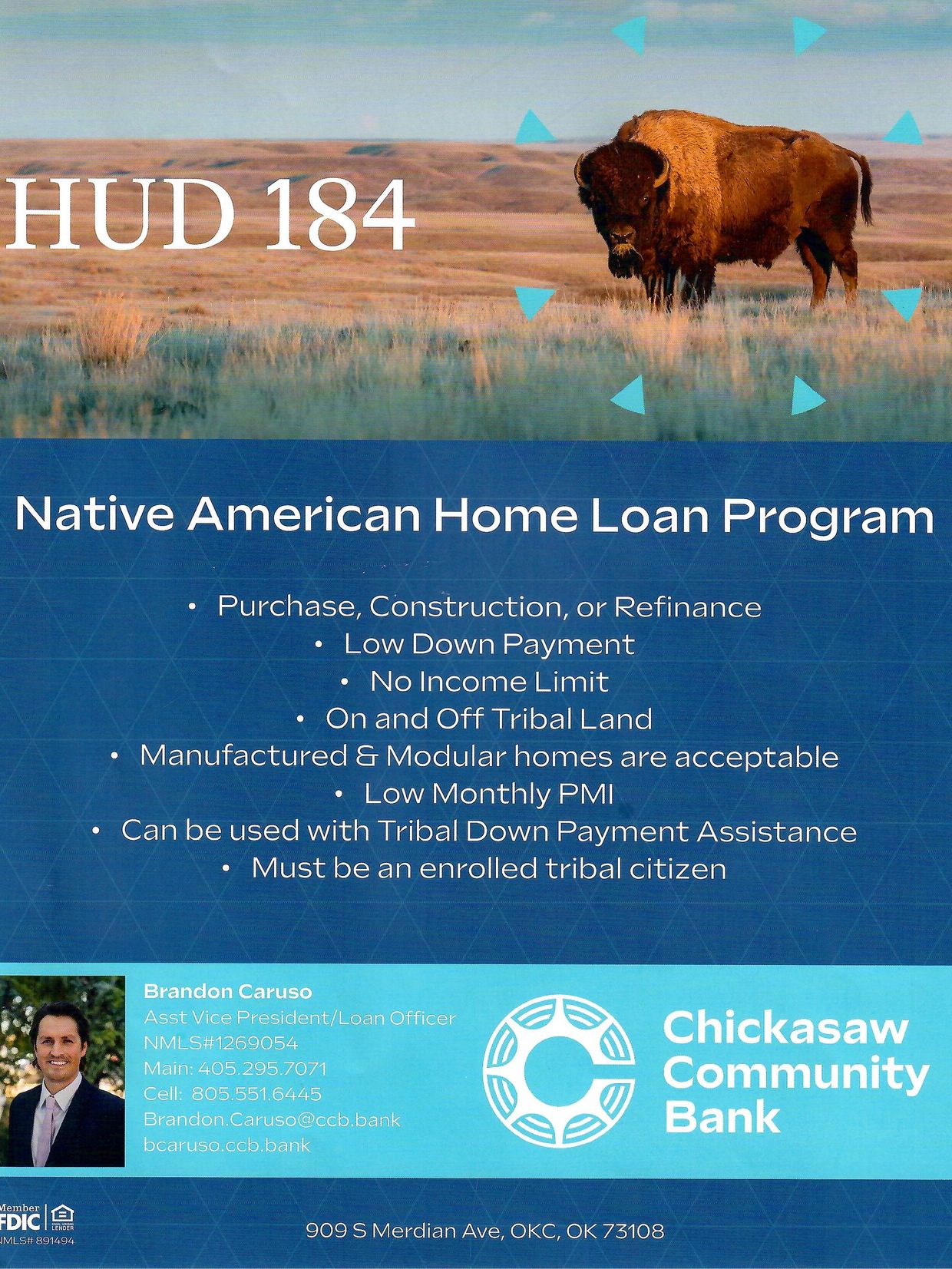
Reviewing the HUD 184 Loan for Modular Homes: A Path to Sustainable Homeownership
Homeownership is a cornerstone of financial stability and community development, yet for many, particularly within Native American and Alaska Native communities, traditional pathways can be fraught with unique challenges. The Department of Housing and Urban Development (HUD) Section 184 Indian Home Loan Guarantee Program stands as a vital resource, specifically designed to address these barriers. When combined with the growing popularity and efficiency of modular homes, the HUD 184 loan emerges as a compelling "product" offering a streamlined, accessible, and sustainable route to building equity and establishing roots.
This comprehensive review will delve into the HUD 184 loan as a financial product for acquiring modular homes, examining its core features, advantages, disadvantages, and ultimately providing a well-rounded recommendation for potential buyers. Our aim is to provide a detailed understanding of how this synergy can empower eligible individuals and families to achieve their dream of homeownership.
Understanding the HUD 184 Loan: The Financial Product
The HUD Section 184 loan program, authorized by the Indian Housing Act of 1937, is a unique mortgage product specifically for Native American and Alaska Native individuals, families, and Tribal governments. It aims to increase homeownership and access to capital in Indian Country, where conventional financing can be scarce or come with prohibitive terms.

Key Characteristics:
- Guaranteed Loan: HUD guarantees 100% of the loan to the lender, reducing risk for financial institutions and making them more willing to lend in eligible areas.
- Target Audience: Exclusively for enrolled members of federally recognized Tribes.
- Eligible Properties: Can be used for purchasing an existing home, constructing a new home (including modular and stick-built), rehabilitating a home, or refinancing.
- Eligible Locations: Homes must be located in an eligible area, which includes Tribal trust land, restricted fee land, and fee simple land within or near Native American communities.
- Lender Network: Loans are originated by private lenders (banks, credit unions) that have been approved by HUD’s Office of Loan Guarantee.
Understanding Modular Homes: The Property Product

Often confused with manufactured or mobile homes, modular homes are a distinctly different construction method that has gained significant traction for its efficiency, quality control, and cost-effectiveness.
Key Characteristics:
- Factory Built: Modular homes are constructed in sections (modules) in a climate-controlled factory environment.
- Built to Code: Unlike manufactured homes (built to HUD code), modular homes are built to the same state and local building codes as traditional stick-built homes for the specific site where they will be permanently installed.
- Permanent Foundation: Once delivered to the building site, the modules are assembled, joined, and permanently affixed to a traditional foundation (e.g., concrete slab or crawl space).
- Appreciation: Because they are built to local codes and affixed to a permanent foundation, modular homes typically appreciate in value similar to traditional site-built homes.
- Efficiency: Factory production allows for streamlined processes, reduced waste, and often faster completion times compared to traditional construction, with fewer weather-related delays.
The Synergy: HUD 184 and Modular Homes
The combination of the HUD 184 loan and modular homes presents a powerful solution. For Native American and Alaska Native individuals seeking homeownership, modular construction can offer a faster, more predictable, and often more affordable path to building a home that meets high-quality standards and aligns perfectly with the HUD 184 program’s objectives for sustainable, long-term homeownership. The permanent nature of modular homes ensures they meet the "real property" requirements of the HUD 184 loan, making them fully eligible.
Advantages of the HUD 184 Loan for Modular Homes
The HUD 184 loan, when applied to modular home construction, offers a suite of compelling advantages:
-
Low Down Payment Requirement: One of the most significant benefits is the remarkably low down payment – just 1.25% of the loan amount. This drastically reduces the upfront financial barrier to homeownership, making it accessible to more families who may struggle to save for larger down payments required by conventional loans. For a $200,000 modular home, this is just $2,500.
-
Flexible Underwriting Guidelines: HUD 184 recognizes the unique financial landscapes within Native communities. The program offers more flexible credit and debt-to-income (DTI) ratio requirements compared to conventional loans. Lenders are encouraged to look beyond traditional credit scores and consider alternative credit histories, such as utility payments or rental history, making homeownership attainable for those with less established credit profiles.
-
Affordable Mortgage Insurance: While HUD 184 loans do require mortgage insurance (similar to FHA loans), the rates are generally lower than FHA. There’s an upfront guarantee fee of 1% (which can be financed into the loan) and an annual premium that is significantly more affordable, further reducing the monthly housing cost burden.
-
Competitive Interest Rates: Because the loan is guaranteed by HUD, lenders face less risk, allowing them to offer competitive interest rates. These rates are often comparable to, or even better than, conventional market rates, ensuring the loan remains affordable over its term.
-
Culturally Sensitive Financial Counseling: Many HUD 184 lenders and housing authorities offer pre-purchase counseling specifically tailored to the cultural and economic contexts of Native communities. This support helps borrowers understand the financial responsibilities of homeownership, navigate the loan process, and prepare for long-term financial success.
-
Real Property Status for Modular Homes: Crucially, modular homes, when permanently affixed to a foundation and built to local codes, are considered real property. This makes them fully eligible for HUD 184 financing, distinguishing them from manufactured homes (which often face more restrictive financing options). This ensures the home can appreciate in value and serve as a long-term asset.
-
Quality and Efficiency of Modular Construction: The factory-built nature of modular homes ensures a high level of quality control, as construction takes place in a controlled environment, free from weather delays and potential site disruptions. This leads to a well-built, energy-efficient home delivered and installed often faster than traditional stick-built construction, minimizing the interim housing period for families.
-
Economic Empowerment and Community Development: By facilitating homeownership, the HUD 184 program for modular homes not only empowers individual families but also contributes to broader economic development within Native communities. It helps build a stable tax base, supports local modular home suppliers and contractors, and encourages long-term investment in the community.
-
Inclusive Loan Purpose: The HUD 184 loan isn’t just for purchasing; it can also finance the construction of a new modular home, including the land purchase (if applicable), site preparation, and foundation costs, providing a comprehensive financing solution.
Disadvantages of the HUD 184 Loan for Modular Homes
While highly beneficial, the HUD 184 loan for modular homes also comes with certain limitations and challenges that potential borrowers should be aware of:
-
Limited Geographic Availability: The primary restriction is geographical. The program is only available in specific eligible areas, which include most Tribal trust lands, restricted fee lands, and certain fee simple areas within or near Native American and Alaska Native communities. If a potential borrower wishes to build a modular home outside these designated areas, they will not qualify for the HUD 184 loan.
-
Eligibility Restrictions: The loan is exclusively for enrolled members of federally recognized Tribes. This is a strict requirement, meaning individuals who do not meet this criterion, regardless of their need or desire for a modular home, cannot utilize the program.
-
Fewer Participating Lenders: While the number is growing, the pool of lenders offering HUD 184 loans is smaller compared to conventional or FHA loans. This can limit options for borrowers and may require more effort to find a lender experienced with the program and specifically with financing modular construction.
-
Perception and Appraisal Challenges for Modular Homes: Despite advancements, some appraisers and the general public still hold outdated perceptions about modular homes, sometimes conflating them with manufactured homes. This can occasionally lead to appraisal challenges, where a modular home might be undervalued if comparable sales of traditional stick-built homes are used exclusively without proper consideration of the modular home’s quality and features.
-
Stringent Property Requirements: While modular homes are eligible, they must meet all HUD 184 and local building code requirements. This includes proper permanent foundations, adherence to specific site preparation standards, and often a higher level of inspection during the construction and installation phases. Any deviations can cause delays or even disqualify the property.
-
Extended Closing Times: Due to the specialized nature of the program, the required counseling, and the additional layers of review by HUD’s Office of Loan Guarantee, closing times for HUD 184 loans can sometimes be longer than for conventional mortgages. This needs to be factored into the construction timeline for a modular home.
-
Ongoing Mortgage Insurance Premium (MIP): Unlike some conventional loans where private mortgage insurance (PMI) can be canceled once sufficient equity is built, the annual mortgage insurance premium for HUD 184 loans is typically required for the life of the loan. While the rates are lower than FHA, this adds a permanent cost to the monthly payment.
-
Site Preparation and Foundation Costs: While modular homes offer cost efficiencies in the factory, borrowers must still budget for significant site preparation (land clearing, utility connections, septic/sewer, well/water hookups) and the cost of a permanent foundation. These costs are part of the overall loan, but they represent a substantial portion of the total project expense.
-
Limited Customization (Historically): While modern modular homes offer increasing levels of customization, some borrowers might find the range of design options slightly less expansive than a fully custom stick-built home. However, this gap is rapidly closing with advancements in modular construction.
Purchase Recommendation: Is the HUD 184 Loan for Modular Homes Right for You?
The HUD 184 loan for modular homes is a highly specialized and incredibly valuable product, but it’s not a universal solution. Our recommendation is nuanced, focusing on who stands to benefit most and what considerations are paramount.
Highly Recommended For:
- Enrolled Members of Federally Recognized Tribes: This is the non-negotiable prerequisite. If you meet this criterion, the program is designed specifically for you.
- Individuals/Families Seeking Affordable Homeownership: The low down payment, flexible underwriting, and competitive rates make it an excellent option for those who might struggle with traditional mortgage qualifications or saving for a large down payment.
- Those Building on Tribal or Trust Lands: The program is uniquely suited for these areas where conventional financing is often challenging or unavailable.
- Buyers Prioritizing Quality, Efficiency, and Predictability: Modular homes offer these benefits, and when combined with HUD 184, provide a robust solution for a well-built, timely constructed home.
- Individuals Willing to Engage in Financial Counseling: The counseling aspect is a strength, ensuring borrowers are well-prepared for homeownership. Embrace it as a valuable resource.
- Borrowers in Areas with Limited Traditional Builders: Modular homes can fill a construction gap, providing high-quality housing options where traditional builders might be scarce or too expensive.
Considerations Before Committing:
- Verify Geographic Eligibility: Before anything else, confirm that your desired home location falls within a HUD 184 eligible area.
- Research HUD-Approved Lenders: Actively seek out lenders with extensive experience in HUD 184 loans, especially those familiar with modular construction. Their expertise can significantly smooth the process.
- Vet Modular Home Builders Carefully: Choose a reputable modular home builder with a proven track record, strong warranties, and experience working with HUD 184 financing and local building codes. Ensure they can deliver a home that meets all program requirements.
- Understand Total Project Costs: Beyond the modular home itself, factor in land costs, site preparation, foundation, utility hookups, landscaping, and any necessary permits. A good lender will help you include these in the loan.
- Be Prepared for the Process: While streamlined, the HUD 184 process, especially for new construction, requires patience and attention to detail. Work closely with your lender and housing counselor.
Overall Verdict:
The HUD 184 loan, when paired with the modern efficiency and quality of modular homes, represents an outstanding product for its target demographic. It ingeniously removes many of the systemic barriers to homeownership faced by Native American and Alaska Native individuals, offering a robust, accessible, and culturally sensitive financial pathway. The combination delivers not just a house, but a durable, appreciating asset that contributes to individual and community prosperity.
While potential borrowers must be mindful of the eligibility requirements, geographic limitations, and the need for diligent planning, the benefits overwhelmingly outweigh the drawbacks for those who qualify. For eligible individuals seeking to establish a secure and sustainable home on or near their ancestral lands, the HUD 184 loan for a modular home is not just a recommendation—it’s a transformative opportunity. It truly acts as a bridge to stable homeownership, fostering economic self-sufficiency and strengthening communities for generations to come.


