Navigating Homeownership: Can You Secure a HUD 184 Loan with Bad Credit?
The dream of homeownership is a powerful one, representing stability, wealth building, and a place to call your own. For many Native Americans, Alaska Natives, and Native Hawaiian communities, this dream has often been complicated by historical injustices, economic disparities, and a lack of access to conventional financial products. The Section 184 Indian Home Loan Guarantee Program, often referred to simply as the HUD 184 loan, was created precisely to address these challenges, offering a unique pathway to homeownership for eligible individuals and tribes.
However, a common hurdle for many aspiring homeowners is a less-than-perfect credit history. The question then arises: "Can I get a HUD 184 loan with bad credit?" This comprehensive review will delve into the intricacies of the HUD 184 loan program, examining its features, benefits, and drawbacks, with a particular focus on how it addresses applicants with adverse credit. We will explore what "bad credit" truly means in the context of this program, and ultimately provide a recommendation on whether this loan is the right "product" for you if your credit score isn’t pristine.
What is the HUD 184 Loan Program?
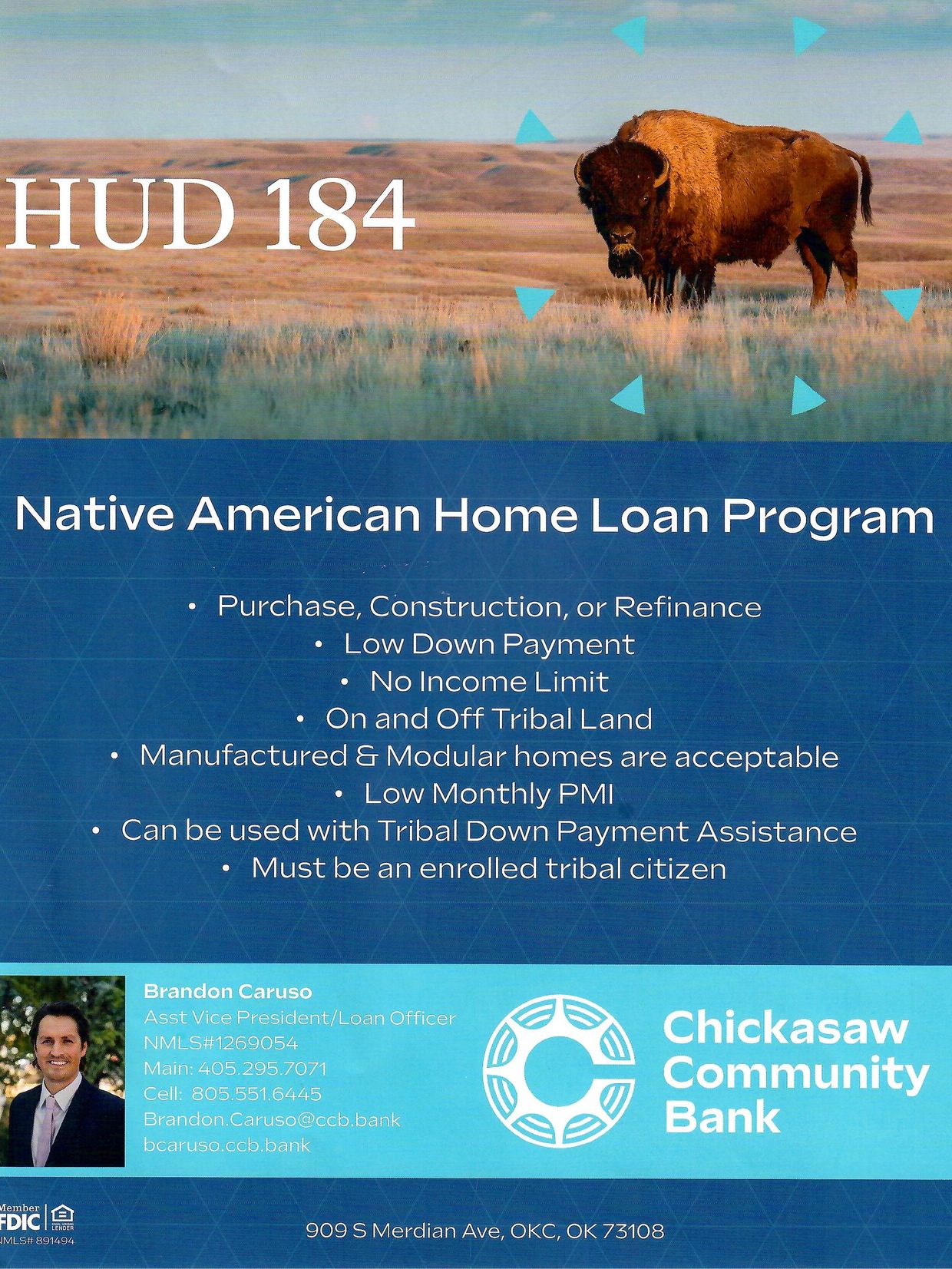
Before diving into credit specifics, it’s essential to understand the foundation of the HUD 184 loan. Administered by the U.S. Department of Housing and Urban Development’s (HUD) Office of Native American Programs (ONAP), the Section 184 program provides a federal guarantee to private lenders for mortgages made to eligible Native Americans, Alaska Natives, and Native Hawaiians. This guarantee protects lenders against losses, making them more willing to offer loans in communities that might otherwise be underserved.
The program is designed to facilitate homeownership on and off tribal lands, including fee simple lands and trust lands. It can be used for various purposes:
- Purchasing an existing home: The most common use.
- Constructing a new home: Including modular and manufactured homes.
- Rehabilitating a home: Making improvements or repairs.
- Refinancing an existing mortgage: Both rate-and-term and cash-out options.
- Purchasing and rehabilitating a home simultaneously.
Unlike traditional FHA or VA loans, the HUD 184 loan is specifically tailored to the unique circumstances and land tenure issues prevalent in Native communities. Its primary goal is to increase Native American access to mortgage capital and homeownership.
Addressing "Bad Credit": The Nuances of Eligibility
Now, to the core question: Can you get a HUD 184 loan with bad credit? The short answer is: It’s possible, and often more feasible than with conventional loans, but "bad credit" is not an automatic pass.
The HUD 184 program is known for its flexible underwriting guidelines. This flexibility is a significant advantage for individuals who may have encountered financial difficulties in the past. Here’s what that flexibility entails:
- No Strict Minimum Credit Score from HUD: Unlike many conventional loans that demand a FICO score of 620-640 or higher, HUD 184 does not set a hard minimum credit score. However, this doesn’t mean credit is ignored. Approved lenders who originate HUD 184 loans will have their own "overlays" – specific credit score requirements they prefer. While some lenders might look for a 620 or 640, others might be willing to go lower (e.g., into the high 500s) if the applicant presents strong compensating factors.
- Manual Underwriting and Review of Explanations: For applicants with lower scores or past derogatory marks, manual underwriting is often employed. This means a human underwriter thoroughly reviews the entire credit history, rather than relying solely on automated systems. They will consider:
- The reason for past credit issues: Was it due to a job loss, medical emergency, divorce, or other extenuating circumstances?
- Re-establishment of credit: Has the applicant demonstrated consistent, on-time payments since the credit issues occurred?
- Non-traditional credit: Lenders can consider alternative forms of payment history, such as rent, utility bills, insurance premiums, and even tribal loan payments, to establish creditworthiness if traditional credit is sparse or weak.
- Debt-to-Income (DTI) Ratio: While credit history is crucial, your ability to repay the loan is paramount. HUD 184 guidelines are generally more lenient with DTI ratios than conventional loans, but you still need to demonstrate that your income can comfortably cover your mortgage payments and other debts. Strong compensating factors (like significant savings, job stability, or low housing expenses) can help offset a slightly higher DTI.
- Waiting Periods for Major Derogatory Events: Even with flexibility, serious credit events like bankruptcies, foreclosures, and short sales have waiting periods, though these can be shorter than with conventional loans.
- Bankruptcy (Chapter 7): Typically requires a 2-year waiting period after discharge, provided the applicant has re-established good credit.
- Foreclosure/Deed-in-Lieu: Often a 3-year waiting period from the date of the event, with good credit re-established.
- Short Sale: Similar to foreclosure, usually a 3-year waiting period.
- Late Payments: Recent late payments (especially on housing or significant debt) will be scrutinized, but a pattern of on-time payments for the past 12-24 months is highly favorable.
In essence, "bad credit" in the context of HUD 184 means a history that might raise red flags with automated systems but can be explained, mitigated, and shown to be improving. It’s not a program for someone with no credit history or ongoing, unaddressed financial irresponsibility, but it is significantly more forgiving for past mistakes or lack of traditional credit.
Key Features and Advantages (Pros)
The HUD 184 loan offers several compelling advantages, especially for those in Native communities facing credit challenges:
- Lower Down Payment Requirements: This is a major benefit. For loans over $50,000, only a 2.25% down payment is required. For loans $50,000 or less, the down payment drops to an incredibly low 1.25%. This significantly reduces the upfront cash needed to buy a home.
- Flexible Underwriting Standards: As discussed, this is perhaps the most significant "pro" for applicants with bad credit. The program’s willingness to consider the full financial picture, including non-traditional credit and explanations for past issues, opens doors that would otherwise remain closed.
- Low Mortgage Insurance (MI) or Guarantee Fee: Unlike FHA loans that require ongoing mortgage insurance premiums (MIP), HUD 184 loans charge a one-time, upfront Guarantee Fee (GSF) of 1% of the loan amount. Additionally, there is an annual loan guarantee fee of 0.25% of the outstanding principal balance. While these are costs, they are generally lower and more predictable than FHA’s annual MIP, and the upfront GSF can often be financed into the loan.
- Competitive Interest Rates: Because the loans are federally guaranteed, lenders perceive less risk, which often translates into competitive interest rates for borrowers.
- Assumable Loans: Under certain conditions, a HUD 184 loan can be assumed by another eligible Native American borrower. This can be an attractive feature for future resale.
- Broad Geographic Reach: The program operates in approved areas nationwide, including reservations, trust lands, and many off-reservation communities. This flexibility is crucial for Native Americans living in diverse locations.
- Support for Financial Counseling: Many lenders and tribal housing authorities involved with the HUD 184 program offer or recommend financial counseling, which can be invaluable for improving credit and understanding the homeownership process.
Challenges and Limitations (Cons)
While highly beneficial, the HUD 184 loan program is not without its limitations:
- Strict Eligibility Requirements: The primary drawback is its exclusivity. Only federally recognized American Indians, Alaska Natives, and Native Hawaiians are eligible. This is a targeted program designed for a specific demographic.
- Geographic Restrictions: While broad, the program is not available everywhere. Loans must be made in an approved area, which typically includes Indian lands, eligible tribal areas, and certain other designated regions.
- Limited Lender Pool: Compared to conventional or FHA loans, fewer lenders offer HUD 184 loans. This can sometimes make it harder to find an experienced lender, although the number of participating lenders has grown. It’s crucial to seek out lenders with specific expertise in this program.
- Underwriting Still Requires Diligence: Despite its flexibility, the underwriting process is still thorough. Applicants with "bad credit" will need to be proactive in explaining their financial history, providing documentation, and demonstrating a commitment to improving their credit. It’s not a "no-questions-asked" loan.
- Guarantee Fee (GSF): While lower than FHA’s MIP, the 1% upfront GSF and the 0.25% annual fee are still costs associated with the loan that borrowers need to factor in.
- Property Requirements: Homes financed with a HUD 184 loan must meet HUD’s minimum property standards, similar to FHA loans. This can sometimes lead to additional repair costs if the property is not up to par.
- Perception vs. Reality: There can be a misconception that HUD 184 is a "bad credit loan" or a "no credit check loan." While it’s more forgiving, it is still a mortgage that requires a responsible financial history and the ability to repay.
Is a HUD 184 Loan Right for You with Bad Credit? (Purchase Recommendation)
If you are an eligible Native American, Alaska Native, or Native Hawaiian and are grappling with a less-than-perfect credit history, the HUD 184 loan program is highly recommended as a primary avenue to explore. It is specifically designed to overcome the very barriers that bad credit often presents in the conventional lending market.
However, a "bad credit" history doesn’t mean you can approach the process passively. Here’s a "purchase recommendation" for how to navigate the HUD 184 program effectively if your credit needs work:
- Understand Your Credit Report Thoroughly: Obtain copies of your credit reports from all three major bureaus (Equifax, Experian, TransUnion). Review them for accuracy and identify the specific issues (late payments, collections, charge-offs, high utilization). Knowledge is power.
- Actively Work on Credit Improvement:
- Dispute inaccuracies: Correct any errors on your report immediately.
- Pay down high balances: Especially on credit cards, as high utilization significantly impacts your score.
- Make all payments on time, every time: Consistency is key to re-establishing good credit.
- Address collections/charge-offs: While not always necessary to pay them off entirely, having a plan or making arrangements shows good faith.
- Gather Explanations and Documentation: For every derogatory mark, be prepared to write a clear, concise letter of explanation outlining the circumstances that led to the issue. Provide supporting documentation if available (e.g., medical bills, layoff notices).
- Seek Financial Counseling: Many tribal housing programs, HUD-approved counseling agencies, or lenders specializing in HUD 184 can offer invaluable pre-purchase counseling. They can help you understand your credit, set financial goals, and prepare for the mortgage application process.
- Find an Experienced HUD 184 Lender: This is critical. Not all lenders are equally skilled or experienced with the program’s nuances, especially when it comes to manual underwriting for credit-challenged applicants. Look for lenders who actively promote their HUD 184 expertise.
- Manage Expectations: While more flexible, the HUD 184 loan is not a "magic bullet." You will still need to demonstrate a reasonable capacity to repay the loan and a commitment to financial responsibility. The goal is to show the underwriter that your past credit issues are behind you and that you are now a reliable borrower.
Conclusion
The HUD 184 loan program stands as a beacon of hope and opportunity for eligible Native American, Alaska Native, and Native Hawaiian individuals and families striving for homeownership. Its design, with flexible underwriting and lower down payment requirements, directly addresses many of the historical and economic barriers, including those posed by a less-than-perfect credit history.
While "bad credit" doesn’t automatically disqualify you, it necessitates a proactive and informed approach. By understanding the program’s unique features, diligently working to improve your financial standing, and partnering with experienced lenders and counselors, securing a HUD 184 loan with past credit challenges is not just a possibility, but a tangible path to achieving the dream of owning a home. It is a powerful tool, and for those it serves, it is undoubtedly a product worth pursuing.


