Navigating the Homeownership Journey: A Deep Dive into HUD 184 Loan Servicing and Payments
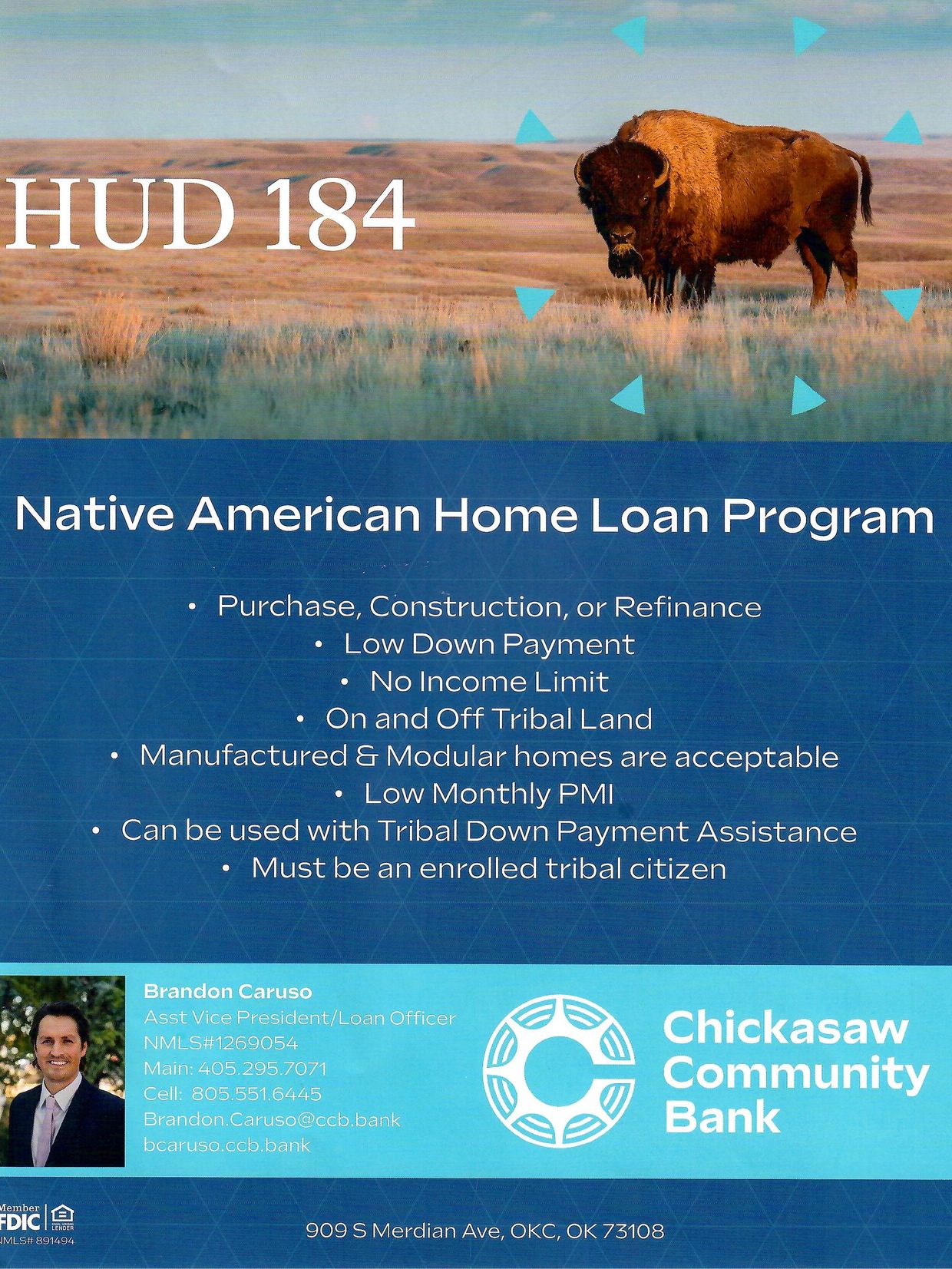
For Native American and Alaska Native families, tribes, and Tribally Designated Housing Entities (TDHEs), the dream of homeownership often finds its most accessible pathway through the U.S. Department of Housing and Urban Development’s (HUD) Section 184 Indian Home Loan Guarantee Program. Designed to overcome unique barriers to homeownership in Native communities, the HUD 184 loan offers distinct advantages. However, like any financial product, its true value isn’t solely in its initial offering but in the day-to-day experience of its "servicing and payments."
This comprehensive review will delve into the intricacies of HUD 184 loan servicing and payments, examining the operational landscape from the borrower’s perspective. We will explore its unique characteristics, highlight its significant advantages, scrutinize its potential drawbacks, and ultimately provide a recommendation for prospective homeowners considering this vital program.
Understanding HUD 184 Loan Servicing: More Than Just a Monthly Bill
At its core, loan servicing encompasses all the administrative tasks involved in managing a loan from the point of disbursement until it is paid off. For HUD 184 loans, this typically involves collecting monthly payments, managing escrow accounts for property taxes and homeowner’s insurance, handling customer inquiries, processing loan modifications, and managing delinquency or default situations.

What makes HUD 184 servicing unique is the underlying context: a federal guarantee program tailored for specific demographics and often involving properties on trust lands, tribal lands, or in designated Native American areas. This can introduce complexities that traditional mortgage servicing companies might not be fully equipped to handle without specialized training and cultural competency. While private lenders originate these loans, HUD guarantees them, adding a layer of oversight that can influence the servicing experience.
Key Aspects of the HUD 184 Servicing Experience
-
Payment Processing:
- Methods: Borrowers typically have multiple options: online portals (ACH debit), mail (check), phone payments, and sometimes in-person payments at designated branches.
- Timeliness: Payments are expected on schedule, and late fees can apply.
- Accessibility: The ease of making payments, especially for those in remote areas or with limited internet access, is a crucial factor.
-
Customer Support:
- Channels: Phone, email, secure messaging through online portals.
- Knowledge & Responsiveness: The ability of customer service representatives to accurately answer questions specific to HUD 184 loans (e.g., trust land issues, tribal lease agreements, unique escrow setups) is paramount.
- Cultural Sensitivity: Understanding and respecting the cultural nuances of Native American and Alaska Native borrowers is an invaluable, though not always present, aspect of superior service.
-
Escrow Management:
- Taxes & Insurance: Servicers are responsible for collecting funds for property taxes and homeowner’s insurance as part of the monthly payment and disbursing them when due.
- Challenges on Tribal Lands: Property tax structures can differ significantly on tribal lands, requiring servicers to have a deep understanding of local agreements and jurisdictions. This can sometimes lead to initial confusion or miscalculations if the servicer is inexperienced.
-
Online Portals & Digital Tools:
- Functionality: Many servicers offer online portals for viewing loan details, payment history, escrow analyses, and making payments.
- User Experience (UX): The clarity, ease of navigation, and reliability of these platforms significantly impact the borrower’s daily interaction with their loan.
-
Delinquency and Default Management:
- Loss Mitigation: When borrowers face financial hardship, servicers work with them on options like forbearance, repayment plans, or loan modifications.
- HUD Oversight: Due to the federal guarantee, HUD has specific guidelines for loss mitigation that servicers must follow, often providing additional protections or options not available in conventional loans.
Advantages of HUD 184 Loan Servicing and Payments
The HUD 184 program, by design, offers a suite of benefits that extend into its servicing, making it a powerful tool for homeownership:
-
Access to Homeownership: This is the program’s primary and most significant advantage. For many Native American and Alaska Native individuals, conventional loans present insurmountable barriers due to unique land tenure systems, credit challenges, or a lack of understanding from mainstream lenders. HUD 184 bridges this gap.
-
Lower Down Payment & Flexible Credit Requirements: With down payments as low as 2.25% for loans over $50,000 and 1.25% for loans under $50,000, and more flexible underwriting standards, the entry barrier to homeownership is significantly reduced. This flexibility often carries through to servicing, where the initial qualification process is less stringent than other loan types.
-
Competitive Interest Rates: HUD 184 loans often boast competitive, fixed interest rates, providing stability and predictability in monthly payments. This fixed nature simplifies payment planning for borrowers and reduces the risk of payment shock.
-
No Mortgage Insurance on Trust Land: A unique and substantial benefit is that loans made on trust land do not require monthly mortgage insurance (PMI/MIP). This significantly reduces the overall monthly housing expense, a direct financial advantage that impacts payments. For loans not on trust land, an upfront guarantee fee and an annual fee (similar to FHA MIP) are required, but still competitive.
-
HUD’s Supportive Oversight: The federal guarantee means HUD maintains a vested interest in the success of the loan. This can translate into an additional layer of advocacy for borrowers if they encounter issues with their servicer. HUD provides resources and guidance for both lenders and borrowers, acting as a crucial backstop.
-
Potential for Culturally Competent Support: While not universally guaranteed, many lenders and servicers specializing in HUD 184 loans invest in training their staff on Native American history, tribal sovereignty, and the specific legal frameworks governing tribal lands. When present, this cultural competency can lead to more empathetic, effective, and respectful problem-solving.
-
Loan Portability on Trust Land: In certain circumstances, if a borrower moves but remains on trust land within the same eligible area, the loan may be portable, offering flexibility unique to this program.
Disadvantages and Challenges of HUD 184 Loan Servicing and Payments
Despite its numerous benefits, the HUD 184 program and its servicing are not without their complexities and potential drawbacks:
-
Limited Lender and Servicer Pool: Unlike conventional mortgages, the number of lenders approved to originate and service HUD 184 loans is smaller. This limited competition can sometimes result in less innovative digital tools, slower adoption of best practices, or less competitive customer service offerings compared to the broader mortgage market.
-
Servicer Knowledge Gaps: Even among approved servicers, the depth of knowledge regarding HUD 184 specifics can vary widely. Issues related to tribal land leases, unique escrow setups (especially regarding property taxes on trust lands, which may not exist in the traditional sense), or specific tribal laws can confuse less experienced representatives, leading to delays, misinformation, or frustration for the borrower.
-
Communication Barriers: Borrowers, particularly those in remote areas, may face challenges with communication channels. If online portals are inadequate or phone lines are frequently busy, resolving issues can become a protracted process. The quality and clarity of written communication (e.g., escrow statements, modification offers) are also crucial.
-
Refinancing Limitations: While HUD 184 offers streamlined refinancing options (like Streamline Refinance without an appraisal, similar to FHA), the limited pool of lenders can still make it challenging to shop for the absolute best rates or find a servicer willing to take on a refinance from another HUD 184 servicer. This can sometimes trap borrowers with their original servicer even if they are dissatisfied.
-
Perceived Bureaucracy: The involvement of a federal agency (HUD) can, at times, lead to a perception of increased bureaucracy. While HUD oversight offers protection, it can also mean that certain processes (e.g., loss mitigation, some loan modifications) might take longer due to additional layers of review and compliance.
-
Escrow Complexities and Adjustments: Due to the unique tax situations on tribal lands, initial escrow setups or annual adjustments can sometimes be confusing or require more explanation than standard mortgages. Miscommunications here can lead to escrow shortages or surpluses that require unexpected payments or refunds.
-
Geographic Restrictions: The program is only available in specific eligible areas (federally recognized reservations, trust lands, and some other designated areas). This isn’t a "servicing" issue per se, but it’s a fundamental limitation that impacts who can even access this servicing experience.
The User Experience: A Balancing Act
The typical HUD 184 borrower’s experience with servicing and payments is often a balancing act between the undeniable benefits of the program and the operational realities of dealing with a specialized financial product.
On the positive side, many borrowers report a smooth, predictable payment process once the initial setup is complete. The stability of fixed rates and the reduced monthly burden (especially with no mortgage insurance on trust land) contribute to financial peace of mind. When servicers are well-trained and culturally aware, the support can feel personalized and genuinely helpful, empowering borrowers to navigate their homeownership journey with confidence.
However, the moments of friction often arise when things don’t go as planned. An unexpected escrow shortage, a question about a tribal land lease, or a need for a loan modification can quickly expose the weaknesses of a less-prepared servicer. Borrowers might find themselves educating their servicer on the nuances of their own loan, leading to frustration and a sense of being misunderstood. The lack of robust online tools or slow response times can exacerbate these issues, turning minor problems into significant stressors.
Ultimately, the user experience heavily depends on the specific servicer. Those who invest in specialized training, develop dedicated HUD 184 teams, and prioritize clear, empathetic communication tend to provide a superior experience.
Recommendations for Prospective HUD 184 Borrowers
Given the unique advantages and challenges, here are key recommendations for anyone considering a HUD 184 loan:
-
Research Your Lender/Servicer Thoroughly: Do not just go with the first lender. Inquire about their experience specifically with HUD 184 loans and, crucially, their servicing capabilities. Ask about their customer service structure for these loans, their online tools, and how they handle common issues specific to tribal lands. Look for lenders with dedicated HUD 184 teams.
-
Ask Targeted Questions During Application: Before closing, ask your loan officer about the specifics of servicing. Who will be servicing your loan? What are their payment options? How do they handle escrow for properties on tribal land? What is their process for loss mitigation if you face hardship?
-
Understand Your Loan Documents: Read every document carefully. Pay close attention to the promissory note, deed of trust/mortgage, and any specific agreements related to your land tenure (e.g., tribal lease agreements). Knowing the terms of your loan empowers you to hold your servicer accountable.
-
Leverage HUD Resources: HUD’s Office of Native American Programs (ONAP) is an invaluable resource. If you encounter significant issues with your servicer that you cannot resolve, ONAP may be able to provide guidance or intervention.
-
Maintain Diligent Records: Keep copies of all correspondence, payment confirmations, and any documents related to your loan. This is crucial for resolving disputes or clarifying misunderstandings.
-
Be Proactive: Don’t wait until a problem becomes critical. If you anticipate difficulty making a payment, or have a question about your escrow, contact your servicer immediately.
Recommendation for Purchase (Enrollment in the Program)
Yes, the HUD 184 Indian Home Loan Guarantee Program is a highly recommended pathway to homeownership for eligible Native American and Alaska Native families, tribes, and TDHEs.
Despite the potential for operational challenges in servicing, the fundamental benefits of the HUD 184 program – its accessibility, lower down payment requirements, competitive rates, and crucial adaptation to unique land tenure systems – far outweigh its drawbacks. It is a vital and often the only viable option for many to achieve the dream of owning a home in their communities.
The "product" (the loan itself) is excellent. The "servicing" (the ongoing experience) can vary, but with proactive engagement from the borrower and careful selection of a reputable, experienced lender/servicer, the overall experience can be overwhelmingly positive.
For those eligible, the HUD 184 loan represents not just a mortgage, but a powerful tool for economic development, cultural preservation, and building generational wealth within Native American and Alaska Native communities. It demands diligence and informed participation from the borrower, but the rewards of homeownership through this program are profoundly significant and well worth the effort.


