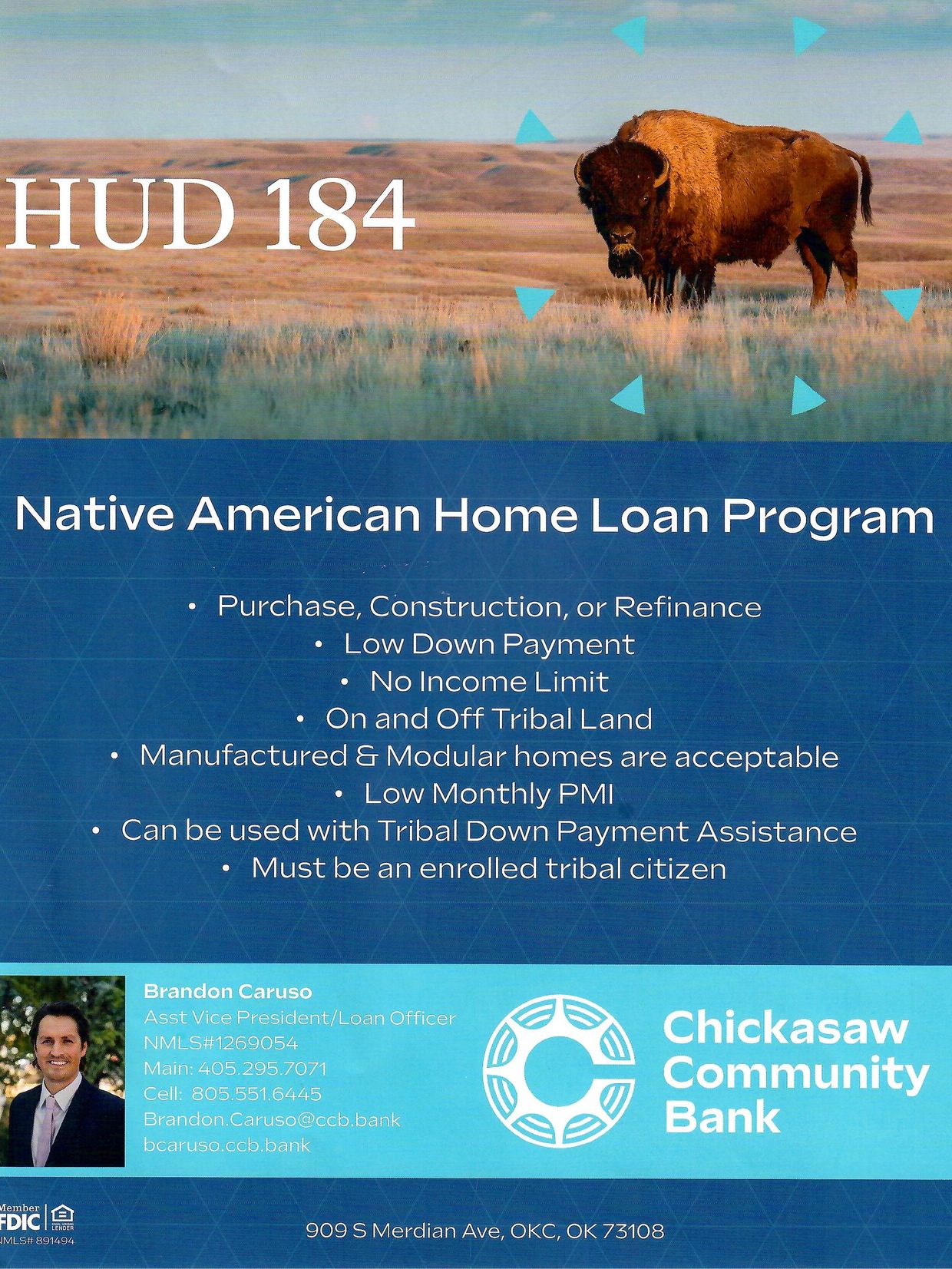
HUD 184 Loan: A Comprehensive Review of Homeownership on Tribal Lands
The dream of homeownership, a cornerstone of the American ideal, often presents unique and formidable challenges for Native American and Alaska Native individuals and families, particularly those residing on or seeking to reside on tribal lands. Historical inequities, complex land tenure systems, and a lack of conventional lending infrastructure have long created barriers. In response to these persistent issues, the U.S. Department of Housing and Urban Development (HUD) introduced the Section 184 Indian Home Loan Guarantee Program.
This article provides a comprehensive product review of the HUD 184 loan, evaluating its design, functionality, advantages, and disadvantages as a specialized financial instrument. We will delve into its intricacies, assess its performance as a solution to a critical need, and offer a clear recommendation for potential borrowers.
What is the HUD 184 Loan? A Product Overview
The HUD 184 loan is not a direct loan from the government; rather, it is a mortgage loan provided by private lenders (banks, credit unions, mortgage companies) that is guaranteed by the U.S. government through HUD’s Office of Native American Programs (ONAP). This guarantee protects lenders from losses in case of borrower default, significantly reducing their risk and encouraging them to lend in areas and to populations they might otherwise deem too risky.

Purpose: The primary objective of the HUD 184 program is to increase homeownership and access to capital for Native American and Alaska Native families, individuals, and federally recognized tribes. It aims to overcome the specific hurdles associated with financing homes on tribal trust lands, individually allotted lands, and even certain fee simple lands within or near tribal communities.
Key Features:
- Government Guarantee: This is the bedrock of the program, making loans available where conventional financing is scarce.
- Low Down Payment: One of its most attractive features, requiring as little as 2.25% down for loans over $50,000 and 1.25% for loans $50,000 or less.
- Flexible Underwriting: HUD 184 considers factors beyond traditional credit scores, often allowing for manual underwriting that accounts for alternative credit histories (e.g., utility payments, rental history).
- Competitive Interest Rates: While not subsidized, the government guarantee often allows lenders to offer rates comparable to or even better than conventional loans.
- Mortgage Insurance Premium (MIP): Borrowers pay an upfront MIP (1% of the loan amount, which can be financed into the loan) and an annual MIP (0.35% of the average outstanding loan balance, paid monthly). This is lower than FHA’s annual MIP in many cases.
- Acceptance of Tribal Trust Land Leases: This is the program’s most critical differentiator. It allows for the financing of homes on lands where the title is held in trust by the U.S. government for a tribe or individual, a structure that typically prohibits conventional mortgages. The loan is secured by a leasehold interest in the property.
- Eligible Property Types: Covers a wide range including existing homes, new construction, modular/manufactured homes on permanent foundations, and rehabilitation loans.
- Target Audience: Exclusively for enrolled members of federally recognized tribes and Alaska Native villages.

In essence, the HUD 184 loan acts as a bridge, connecting eligible Native American and Alaska Native borrowers with the financial resources necessary to achieve stable housing, tailored to the unique legal and cultural landscape of tribal lands.
Advantages of the HUD 184 Loan (Pros)
Evaluating the HUD 184 loan as a "product," its strengths are clearly aligned with its stated mission: to facilitate homeownership where it has historically been difficult.
- Unparalleled Access to Capital on Tribal Lands: This is, by far, the program’s most significant advantage. For generations, the inability to use tribal trust land as collateral prevented traditional mortgages. HUD 184 directly addresses this by accepting tribal leases, opening up vast swaths of land for homeownership that were previously inaccessible to financing. Without this program, many Native families would have no viable path to homeownership on their ancestral lands.
- Affordable Entry Point with Low Down Payments: The low down payment requirements (1.25% or 2.25%) dramatically reduce the upfront financial burden, making homeownership attainable for more families. This is particularly crucial in communities where accumulating significant savings can be challenging.
- Flexible Credit Underwriting: Recognizing that traditional credit scoring models may not accurately reflect the financial responsibility of all borrowers, especially in communities with different economic structures, HUD 184’s flexible underwriting is a major plus. Lenders are encouraged to consider alternative payment histories, allowing deserving individuals with non-traditional credit profiles to qualify.
- Competitive Interest Rates and Lower MIP: Thanks to the government guarantee, lenders can offer interest rates that are competitive with, and sometimes even better than, conventional mortgages. Furthermore, the annual Mortgage Insurance Premium (MIP) for HUD 184 is generally lower than that of FHA loans, translating to lower monthly payments over the life of the loan.
- Empowerment and Economic Development: By facilitating homeownership, the HUD 184 loan contributes directly to individual wealth building and tribal self-determination. Homeowners invest in their communities, build equity, and create a more stable tax base, fostering broader economic growth and reducing reliance on external housing solutions.
- Cultural Sensitivity and Understanding: HUD and participating lenders are required to understand the unique legal and cultural aspects of tribal lands and governments. This often translates to a more respectful and informed loan process, with an appreciation for tribal sovereignty and customary laws.
- Broad Eligibility for Property Types: The program’s flexibility to finance new construction, existing homes, manufactured homes, and even rehabilitation projects means it can cater to a diverse range of housing needs and preferences within tribal communities.
- Assumable Loans: HUD 184 loans are assumable, meaning if a borrower sells their home, the buyer (if eligible) can take over the existing mortgage, potentially making the home more attractive to future Native American buyers, especially if interest rates have risen.
Disadvantages of the HUD 184 Loan (Cons)
While a powerful tool, the HUD 184 loan is not without its limitations and challenges, which prospective borrowers should carefully consider.
- Limited Lender Participation: Despite the government guarantee, not all mortgage lenders offer HUD 184 loans. This is often due to the specialized knowledge required to navigate tribal land tenure systems, federal regulations, and tribal laws. Finding an experienced HUD 184 lender can be a significant hurdle, especially in remote areas, potentially limiting options and increasing processing times.
- Appraisal Challenges on Tribal Lands: Appraising homes on tribal trust lands presents unique difficulties. The scarcity of comparable sales data (comps) for similar homes, especially in remote areas or for homes built with non-traditional materials or designs, can lead to valuation challenges. Appraisers must also be familiar with tribal leasing requirements, which adds another layer of complexity.
- Infrastructure Issues: Many homes on tribal lands, particularly in rural or remote areas, may lack access to essential infrastructure like municipal water, sewer, and paved roads. Lenders require properties to meet certain habitability standards, and the absence of adequate infrastructure can complicate or even prevent loan approval, regardless of the HUD 184 guarantee.
- Lengthier Processing Times: Due to the specialized nature of the loan, the need for tribal approvals (for leases, infrastructure, etc.), and the often-complex appraisal process, HUD 184 loans can sometimes take longer to close than conventional mortgages. This requires patience and proactive engagement from borrowers.
- Eligibility Restrictions: The program is exclusively for enrolled members of federally recognized tribes and Alaska Native villages. While this is its core mission, it means non-Native individuals, even those living in or contributing to tribal communities, are ineligible. Additionally, the loan is only available in specific states and to homes on or near qualifying tribal lands, which can limit its reach.
- Complexity of Tribal Land Leases: While the program addresses the issue of trust land, the process of securing and recording a tribal lease can still be complex and vary significantly from one tribe to another. Borrowers must navigate tribal government requirements, which can add paperwork and time to the process.
- Borrower Education Gap: Many potential borrowers are simply unaware of the HUD 184 program or do not fully understand its benefits and requirements. Similarly, a lack of education among some real estate agents and lenders can perpetuate misconceptions or lead to misguidance.
- Upfront and Annual Mortgage Insurance: While the MIP is lower than FHA’s in many cases, it is still an added cost. The upfront MIP (1% of the loan amount) can be financed, but it still increases the principal balance, and the annual MIP (0.35%) adds to the monthly payment for the life of the loan.
Who is the HUD 184 Loan For?
The HUD 184 loan is explicitly designed for:
- Enrolled Members of Federally Recognized Tribes and Alaska Native Villages: This is the foundational eligibility requirement.
- Individuals and Families Seeking Homeownership on Tribal Lands: Especially those on trust lands where conventional financing is not feasible.
- First-Time Homebuyers: The low down payment and flexible credit requirements make it an excellent option for those entering the housing market for the first time.
- Current Homeowners on Tribal Lands: Who may wish to refinance an existing home or purchase a new one.
- Those Looking to Construct or Rehabilitate a Home: The program’s flexibility in property types is a major draw.
- Borrowers with Non-Traditional Credit Histories: Who might struggle to qualify for conventional loans but have demonstrated financial responsibility through alternative means.
Recommendation: Is the HUD 184 Loan a Good Product?
Unequivocally, for its target audience, the HUD 184 loan is an excellent and often indispensable "product."
Considering its unique mission and the specific challenges it addresses, the HUD 184 loan performs exceptionally well. It is a vital financial tool that bridges a critical gap in the housing market for Native American and Alaska Native communities. Its ability to finance homes on tribal trust lands, coupled with low down payments and flexible underwriting, makes homeownership a reality for thousands who would otherwise be excluded.
For eligible borrowers, the HUD 184 loan comes with a strong recommendation for purchase. It offers a level playing field, cultural understanding, and financial accessibility that no other mainstream mortgage product can replicate for homes on tribal lands.
However, prospective borrowers must approach it with diligence and awareness:
- Seek Experienced Lenders: The most crucial recommendation is to work with a mortgage lender who has extensive experience with HUD 184 loans and a strong track record of working with tribal communities. Their expertise will be invaluable in navigating the unique requirements and potential complexities.
- Understand Tribal Specifics: Borrowers must be prepared to understand and comply with their specific tribe’s housing authority, land department, and governmental requirements regarding leases, permits, and other necessary approvals.
- Prepare for the Process: While the benefits are substantial, be prepared for a potentially longer closing process than a conventional loan. Gather all necessary documentation promptly, including tribal enrollment verification.
- Homebuyer Education: Consider enrolling in a homebuyer education course. Many tribes and non-profit organizations offer these, providing valuable insights into the homebuying process, financial management, and the specifics of the HUD 184 loan.
Conclusion
The HUD 184 Indian Home Loan Guarantee Program stands as a testament to the power of targeted financial products designed to address specific societal needs. It is more than just a mortgage; it is a catalyst for economic empowerment, cultural preservation, and the realization of the American Dream of homeownership for Native American and Alaska Native families.
While it presents some challenges related to lender availability and the intricacies of tribal land, its advantages in providing access to affordable capital on trust lands are unmatched. For eligible individuals and families, the HUD 184 loan is not just a viable option, but often the best option, offering a pathway to building equity, fostering stable communities, and strengthening the fabric of tribal nations. Its continued success and expansion are crucial for the ongoing journey of self-determination and prosperity within Indigenous communities across the United States.


