Navigating Homeownership: A Deep Dive into HUD 184 Loan Interest Rates Today
In the complex landscape of home financing, understanding every available option is crucial, especially for specific demographic groups. The Section 184 Indian Home Loan Guarantee Program, often simply referred to as the HUD 184 loan, stands out as a unique and invaluable resource designed to foster homeownership within Native American and Alaska Native communities. While the program itself offers distinct advantages, the ever-fluctuating nature of interest rates plays a pivotal role in its overall attractiveness. This article will serve as a comprehensive review of HUD 184 loan interest rates today, examining their characteristics, benefits, drawbacks, and ultimately, providing a recommendation for prospective borrowers.
The HUD 184 Loan: A Brief Overview
Before delving into the intricacies of interest rates, it’s essential to understand the foundation of the HUD 184 program. Established in 1992, this program is administered by the Office of Native American Programs (ONAP) within the U.S. Department of Housing and Urban Development (HUD). Its primary goal is to provide a federal guarantee to private lenders, encouraging them to make mortgage loans to eligible Native American and Alaska Native individuals, families, and Tribal governments. This guarantee mitigates risk for lenders, making homeownership more accessible to a population that has historically faced significant barriers in traditional lending markets.
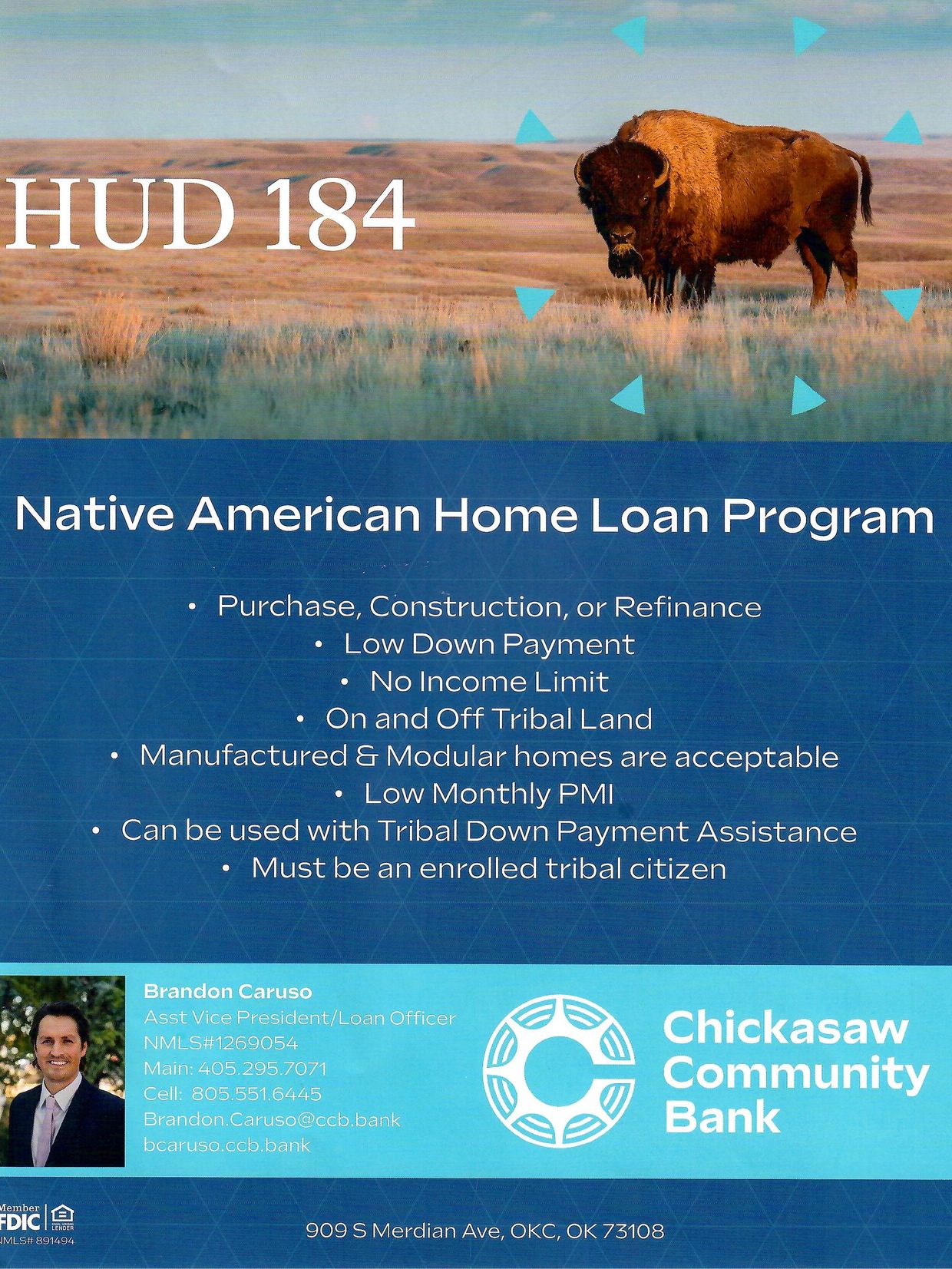
The HUD 184 loan can be used for various housing needs, including purchasing an existing home, constructing a new one, rehabilitating a home, or refinancing an existing mortgage. Crucially, it can be utilized on and off tribal trust lands, on reservations, and in approved areas nationwide. This flexibility, coupled with its focus on serving Native communities, makes it a distinctive product in the mortgage market.

Understanding HUD 184 Interest Rates Today
Unlike some government-backed programs where rates might be directly set or capped by a federal agency, HUD 184 loan interest rates are primarily market-driven. This means they are set by individual lenders who participate in the program, and they fluctuate daily based on broader economic indicators, similar to conventional, FHA, or VA loan rates.
Key Characteristics of HUD 184 Interest Rates:
- Market-Competitive: HUD 184 rates are designed to be competitive with other popular government-backed loan programs like FHA and VA loans, and often even with conventional loans for well-qualified borrowers. The federal guarantee makes these loans less risky for lenders, which can translate into more favorable interest rate offerings.
- Fixed-Rate Predominance: The vast majority of HUD 184 loans are offered as 30-year fixed-rate mortgages. This provides borrowers with stability and predictability, as their monthly principal and interest payments remain constant for the life of the loan, regardless of market fluctuations. This is a significant advantage in volatile economic periods.
- No HUD-Set Cap: While competitive, there isn’t a specific maximum interest rate set by HUD. Lenders determine their rates based on their own cost of funds, profit margins, and the perceived risk of the borrower (though the HUD guarantee reduces this risk significantly).
- Influenced by Broad Economic Factors: Like all mortgage rates, HUD 184 rates are influenced by the Federal Reserve’s monetary policy, inflation expectations, the bond market (particularly the yield on 10-year Treasury notes), and overall economic growth. In a period of rising inflation or aggressive Fed rate hikes, HUD 184 rates will generally trend upwards. Conversely, in a stable or declining rate environment, they will follow suit.
- Borrower-Specific Factors: While the general market rate is a baseline, an individual borrower’s specific interest rate will also be influenced by their credit score, debt-to-income (DTI) ratio, loan-to-value (LTV) ratio (determined by down payment), and the specific lender they choose. Stronger financial profiles typically secure lower rates.

What to Expect "Today":
Given that I cannot provide real-time, instantaneous interest rates, it’s crucial to understand the nature of "today’s" rates. Currently, the broader mortgage market has seen significant shifts from the historic lows experienced a few years ago. Rates have generally trended upwards due to inflationary pressures and the Federal Reserve’s efforts to cool the economy.
Therefore, "today’s" HUD 184 rates will reflect this elevated environment compared to, say, 2020 or 2021. However, they remain highly competitive within the current market. Borrowers should expect rates that are generally in line with or slightly better than FHA loans, depending on their individual qualifications and the chosen lender. The key is to shop around and compare offers from multiple HUD 184 approved lenders.
Advantages (Pros) of HUD 184 Loan Interest Rates
When evaluating the HUD 184 program, its interest rates present several compelling advantages:
- Competitive Pricing: Despite not being directly subsidized in terms of interest rates, the federal guarantee often allows lenders to offer rates that are highly competitive, frequently on par with, or even slightly lower than, FHA or conventional loans for eligible borrowers. This is a direct benefit of the reduced risk for lenders.
- Fixed-Rate Stability: The predominance of 30-year fixed-rate options is a significant pro. It offers borrowers peace of mind, knowing their principal and interest payments will not change over the life of the loan. In an unpredictable economic climate, this stability is invaluable for budgeting and long-term financial planning.
- Lower Overall Cost of Homeownership (Due to Program Features): While not directly an interest rate feature, the program’s low down payment requirement (as low as 2.25% for loans over $50,000, and 1.25% for loans $50,000 or less) and flexible underwriting criteria can indirectly lead to a lower overall cost of homeownership for eligible individuals. By requiring less upfront capital, borrowers can preserve savings or invest them elsewhere, making the journey to homeownership more accessible.
- No Mortgage Insurance for Life (with conditions): Unlike FHA loans, which typically require mortgage insurance premiums (MIP) for the life of the loan regardless of equity, the annual guarantee fee on a HUD 184 loan can be canceled once the loan-to-value (LTV) reaches 78% of the original purchase price. This means significant savings over the long term compared to FHA, further enhancing the overall affordability of the loan, even if the initial interest rate is similar.
- Culturally Sensitive Underwriting: While not directly tied to the rate itself, the program’s flexible underwriting standards, which can take into account non-traditional credit histories and tribal trust income, make it possible for more Native Americans to qualify for these competitive rates. This means the benefit of competitive rates extends to a broader range of borrowers who might be excluded from conventional markets.
- Refinancing Options: HUD 184 also offers streamline refinancing options, which can allow existing borrowers to take advantage of lower market rates without extensive paperwork, further enhancing the long-term value proposition of the program.
Disadvantages (Cons) of HUD 184 Loan Interest Rates
While the HUD 184 program is highly beneficial, there are certain aspects related to its interest rates and overall structure that could be considered disadvantages:
- Upfront Guarantee Fee (UFG): Similar to FHA loans, HUD 184 loans come with an upfront guarantee fee, which is 1.00% of the loan amount. While this can often be financed into the loan, it still adds to the total loan amount and, consequently, to the interest paid over the life of the loan. This means the advertised interest rate isn’t the only cost factor.
- Annual Guarantee Fee (AGF): In addition to the upfront fee, there’s an annual guarantee fee of 0.25% of the outstanding principal balance. While this is lower than FHA’s annual MIP (which can be 0.55% or higher), and can be canceled, it still adds to the monthly cost until the LTV threshold is met. This effectively increases the Annual Percentage Rate (APR) compared to the nominal interest rate.
- Limited Lender Participation: While the program is nationwide, not all lenders are approved to originate HUD 184 loans. This can limit a borrower’s ability to shop around for the absolute lowest interest rate, as the pool of available lenders might be smaller in certain geographic areas compared to conventional or FHA loans. Fewer lenders can mean less competition, potentially leading to slightly higher rates in some instances.
- Geographic Restrictions (for use): Although the loan can be used on or off reservations, it must be in an approved area. While these areas are extensive, a borrower might find themselves in a location not covered by the program, thereby being unable to access its benefits, including its competitive rates.
- Not Always the "Lowest" Rate: While competitive, HUD 184 rates are not inherently the absolute lowest available in the market for every borrower. A borrower with an impeccable credit score, low debt, and a large down payment might find slightly lower rates with a conventional loan, especially if they can avoid private mortgage insurance (PMI). The value of HUD 184 often lies in its accessibility and flexibility, not necessarily in always being the cheapest rate for the most qualified borrowers.
- Potential for Slower Processing Times: Due to the specific requirements and documentation associated with tribal enrollment and HUD approvals, the loan processing time for a HUD 184 loan can sometimes be longer than for a conventional loan. While not directly an interest rate issue, delays can occasionally lead to borrowers missing out on a locked-in rate if market conditions shift significantly during the underwriting process.
Who is the HUD 184 Loan Best Suited For?
The HUD 184 loan, with its particular interest rate structure and program features, is an excellent "product" for a specific target audience:
- Eligible Native American and Alaska Native individuals and families: This is the primary demographic.
- First-time homebuyers: The low down payment and flexible credit requirements are ideal for those entering homeownership.
- Borrowers with less-than-perfect credit: While good credit helps secure the best rates, HUD 184 offers more flexibility than conventional loans.
- Those living on or near tribal lands, or in approved areas: The program is specifically designed to serve these communities.
- Borrowers seeking payment stability: The fixed-rate nature is a huge draw for long-term budgeting.
- Individuals looking for a low down payment option: The 1.25% to 2.25% down payment is among the lowest available.
- Those who value the cultural and community support: The program is a testament to federal recognition of Native American sovereignty and self-determination.
Recommendation: Is a HUD 184 Loan a Good "Purchase" Today?
Yes, for its target demographic, a HUD 184 loan remains an excellent and often superior choice, even with today’s elevated interest rates.
While interest rates across the board are higher than they have been in recent years, the HUD 184 loan’s core value proposition remains strong. Its competitive fixed rates, coupled with the unique benefits of low down payment, flexible underwriting, and the potential for annual guarantee fee cancellation, make it a highly attractive and accessible path to homeownership for eligible Native Americans and Alaska Natives.
However, a "purchase" (i.e., taking out this loan) should always be approached with due diligence:
- Shop Around: Despite fewer lenders, it is crucial to contact multiple HUD 184 approved lenders. Rates and closing costs can vary significantly between institutions, even for the same loan product. A difference of even 0.125% in the interest rate can save thousands over the life of a 30-year loan.
- Understand the APR vs. Interest Rate: Don’t just look at the advertised interest rate. Ask for the Annual Percentage Rate (APR), which incorporates fees like the upfront and annual guarantee fees, providing a more accurate picture of the total cost of borrowing.
- Compare with Alternatives (if applicable): While HUD 184 is often the best fit, it’s wise to briefly compare it to FHA or even VA loans (if eligible) to fully understand the landscape. For many, HUD 184 will still emerge as the most favorable due to its unique features and lower long-term costs (especially regarding mortgage insurance).
- Consider Your Financial Situation: Assess your credit score, debt-to-income ratio, and available down payment. Improving these factors, even slightly, can often lead to a better interest rate offer.
- Consult a Financial Advisor: A professional can help you understand the long-term implications of current interest rates and how they fit into your overall financial plan.
In conclusion, "today’s" HUD 184 loan interest rates reflect the broader economic environment, meaning they are likely higher than the historic lows of recent memory. However, within this context, they remain remarkably competitive and offer the stability of a fixed rate. When combined with the program’s low down payment, flexible credit requirements, and the potential for long-term savings through the cancellable annual guarantee fee, the HUD 184 loan stands as a powerful and highly recommended tool for eligible Native American and Alaska Native individuals to achieve the dream of homeownership. It’s a product designed with purpose, and its features, including its rates, continue to serve that purpose exceptionally well.


