Unlocking Financial Flexibility: A Deep Dive into Refinancing with a HUD Section 184 Loan
Homeownership is often lauded as a cornerstone of financial stability and wealth creation. For Native American and Alaska Native communities, however, the path to homeownership and subsequent financial leveraging can be uniquely challenging, often due to historical land policies, remote locations, and specific economic structures. Recognizing these distinct needs, the U.S. Department of Housing and Urban Development (HUD) established the Section 184 Indian Home Loan Guarantee Program. While primarily known for facilitating initial home purchases, the Section 184 loan also offers a powerful, albeit often underutilized, tool for existing homeowners: refinancing.
This article provides an in-depth review of refinancing with a HUD Section 184 loan, exploring its unique features, significant advantages, potential drawbacks, and ultimately, who stands to benefit most from this specialized financial product.
Understanding the HUD Section 184 Loan Program
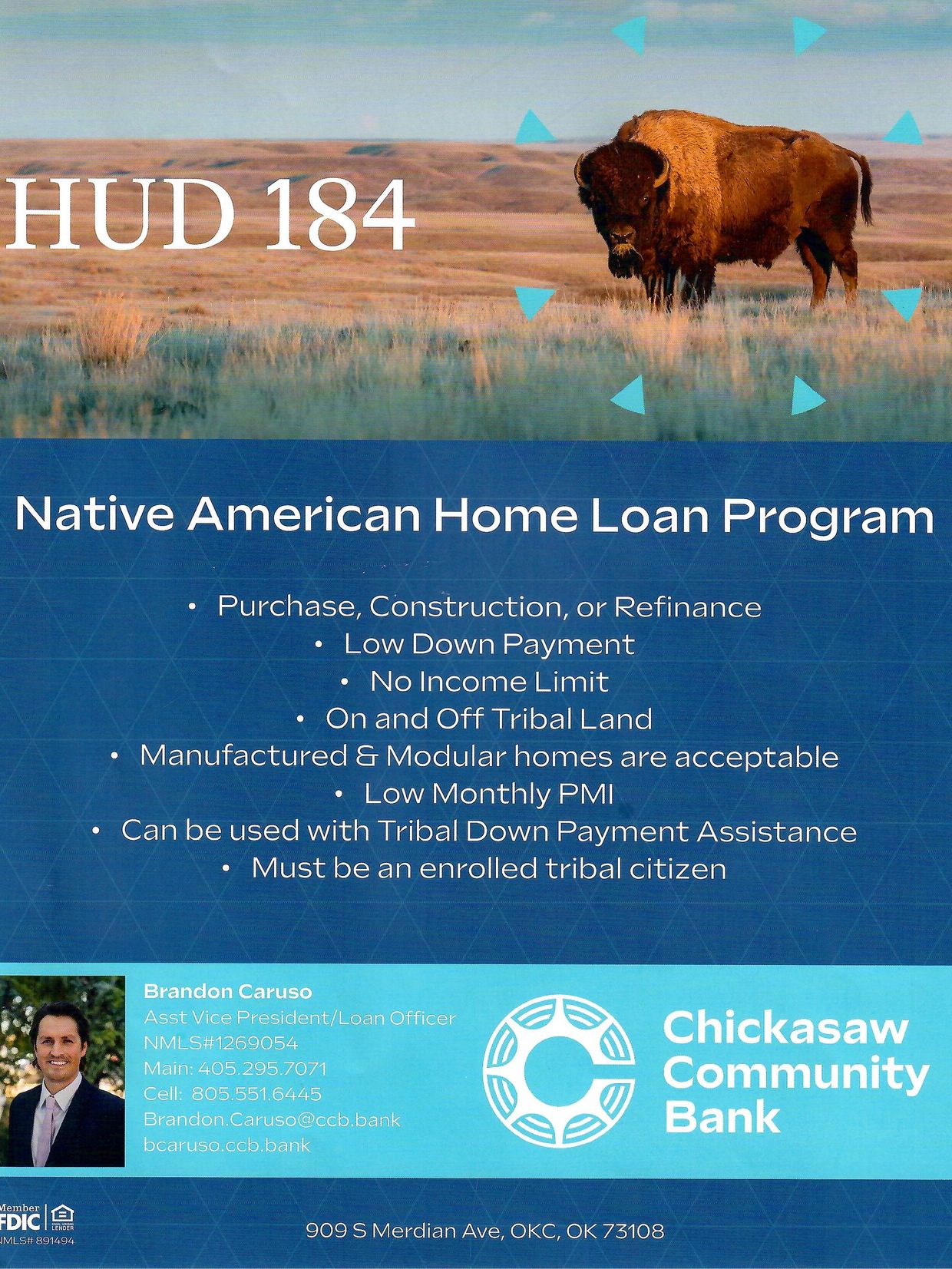
Before delving into refinancing, it’s crucial to grasp the fundamentals of the Section 184 program. Enacted in 1992, this program provides a loan guarantee to private lenders, allowing them to offer mortgages to eligible Native American and Alaska Native individuals, families, and Tribal housing entities. The guarantee reduces the risk for lenders, making home financing more accessible in areas where conventional loans might be scarce or difficult to obtain, particularly on trust lands.

Key characteristics of the Section 184 loan include:
- Eligibility: Borrowers must be an enrolled member of a federally recognized American Indian Tribe or Alaska Native Village.
- Purpose: Loans can be used for purchasing a new home, constructing a new home, rehabilitating an existing home, or refinancing.
- Property Location: Properties can be located on or off tribal trust land, reservation land, or in approved fee simple areas.
- Lender Network: Loans are originated by private, HUD-approved lenders.
The program’s core mission is to promote homeownership and economic development within Native American and Alaska Native communities, offering flexible underwriting criteria that account for unique income structures and credit histories prevalent in these areas.
Why Refinance? The General Benefits
Refinancing, in general, involves replacing an existing mortgage with a new one. Homeowners typically choose to refinance for several common reasons:
- Lower Interest Rate: If market rates have dropped, refinancing can secure a lower interest rate, leading to significant savings over the life of the loan.
- Lower Monthly Payments: A reduced interest rate or an extended loan term can lower the monthly mortgage payment, improving cash flow.
- Cash-Out Refinance: Tapping into home equity to get a lump sum of cash for home improvements, debt consolidation, education expenses, or other needs.
- Shorter Loan Term: Refinancing from a 30-year to a 15-year mortgage can save on interest and pay off the home faster, albeit with higher monthly payments.
- Change Loan Type: Switching from an adjustable-rate mortgage (ARM) to a fixed-rate mortgage for payment stability, or vice versa.
- Remove Mortgage Insurance: In some cases, if enough equity has been built, refinancing might allow homeowners to eliminate private mortgage insurance (PMI).
Now, let’s explore how the HUD Section 184 loan specifically addresses these needs within its unique framework.
The Advantages (Pros) of Refinancing with a HUD Section 184 Loan
Refinancing with a Section 184 loan offers a suite of compelling benefits, especially for its target demographic:
- Targeted Support for Native American and Alaska Native Borrowers: This is the program’s most significant advantage. It is specifically designed with the unique cultural, economic, and land tenure considerations of Indigenous communities in mind. Lenders are accustomed to navigating tribal approvals, varying land ownership structures (trust land, fee simple), and non-traditional income sources (e.g., tribal dividends, seasonal employment).
- Flexible Underwriting Standards: Section 184 loans often feature more flexible credit and income requirements compared to conventional loans. This can be a game-changer for borrowers who might have less-than-perfect credit scores or non-W2 income streams. This flexibility extends to refinancing, making it easier for eligible homeowners to qualify for better terms.
- Competitive Interest Rates: While not always the absolute lowest, Section 184 interest rates are generally competitive, often comparable to FHA loans, and are set by the individual lenders. The HUD guarantee allows lenders to offer favorable rates, which can translate into significant savings when refinancing.
- Lower Mortgage Insurance Premiums (MIP): Unlike FHA loans, which have both an upfront and annual mortgage insurance premium that often lasts for the life of the loan, Section 184 loans typically have lower MIP rates. The upfront guarantee fee is 1.00% of the loan amount (which can be financed), and the annual premium is 0.25% for loans with less than 90% loan-to-value (LTV) or 0.50% for loans with LTVs greater than or equal to 90%. This lower cost can make refinancing more attractive and affordable.
- Cash-Out Refinance Option: Section 184 allows for cash-out refinancing, enabling homeowners to access their accumulated home equity. This can be invaluable for making critical home repairs, funding higher education, consolidating high-interest debt, or even starting a small business, all while retaining the benefits and protections of the Section 184 program. The maximum cash-out LTV is typically 85%.
- Streamlined Refinance (IRRRL) Option: For existing Section 184 loan holders, an Interest Rate Reduction Refinance Loan (IRRRL) may be available. This streamlined process typically requires less paperwork, no appraisal (unless specific conditions apply), and potentially no income verification, making it quicker and less costly to lower an interest rate or adjust loan terms.
- No Income Limits: Unlike many other government assistance programs, the Section 184 loan does not impose income limits on borrowers, making it accessible to a broader range of eligible individuals.
- Acceptance on Tribal Lands: This is a crucial differentiator. Conventional lenders are often hesitant or outright refuse to lend on tribal trust lands due to complex jurisdictional issues and unique land tenure laws. Section 184 is specifically designed to navigate these complexities, making refinancing possible for homeowners on these lands where other options are virtually nonexistent.
The Disadvantages (Cons) and Considerations of Refinancing with a HUD Section 184 Loan
While powerful, the Section 184 loan program is not without its limitations and specific considerations:
- Eligibility Restrictions: The most significant drawback is its strict eligibility. Only enrolled members of federally recognized American Indian Tribes or Alaska Native Villages can qualify. This immediately limits its applicability to a specific demographic.
- Limited Lender Pool: Not all mortgage lenders are approved to offer Section 184 loans. Finding a knowledgeable and experienced Section 184 lender can sometimes be a challenge, particularly in areas with smaller Indigenous populations or outside of major urban centers. This limited competition might occasionally affect rate offerings.
- Geographic Limitations: While loans can be on or off tribal lands, they must be in areas where HUD has established an agreement with a tribe or a Tribal Designated Housing Entity (TDHE). While this covers a vast majority of tribal lands, it’s not universally available in every single location.
- Mortgage Insurance Premiums (MIP): Although lower than FHA, the requirement for both an upfront guarantee fee and annual mortgage insurance is still an added cost. This premium can increase the total cost of the loan, especially if the homeowner plans to keep the mortgage for many years.
- Slower Processing Times: Due to the specialized nature of the program, which often involves coordination with tribal housing authorities, HUD offices, and unique appraisal requirements for properties on tribal lands, the refinancing process can sometimes take longer than a conventional refinance.
- Property Requirements: The property being refinanced must be the borrower’s primary residence. Investment properties or secondary homes are not eligible. Additionally, properties on tribal land often require specific tribal approvals or leases, which can add complexity.
- Appraisal Challenges on Tribal Lands: Valuing properties on tribal lands can be more complex than on fee simple lands due to fewer comparable sales and unique land tenure arrangements. This can sometimes affect the appraised value, which directly impacts the loan amount available for refinancing.
- Educational Requirements: Some Section 184 lenders may require borrowers to complete homebuyer education or financial literacy courses, even for refinancing. While beneficial, this adds another step to the process.
Who Should Consider Refinancing with a HUD Section 184 Loan? (Recommendation)
Refinancing with a HUD Section 184 loan is a highly specialized tool, best suited for specific individuals within the eligible demographic.
Strong Candidates for Refinancing with a HUD Section 184 Loan are:
- Existing Section 184 Loan Holders: If you currently have a Section 184 loan, refinancing into another Section 184 loan (especially via an IRRRL) is often the most straightforward and beneficial path to lower your interest rate, reduce your payment, or access cash out. You’re already familiar with the program, and the streamlined options are designed for you.
- Native American/Alaska Native Homeowners with Conventional or FHA Loans: If you are an eligible tribal member and currently hold a conventional, FHA, or other non-184 mortgage, but are struggling with higher interest rates, high mortgage insurance (like FHA’s often lifelong MIP), or need cash out, converting to a Section 184 loan could be highly advantageous. This is particularly true if your original loan was difficult to obtain due to your property’s location on tribal lands or your unique financial profile.
- Homeowners on Tribal Lands: For those whose properties are located on tribal trust lands or reservation lands, the Section 184 loan often represents one of the only viable refinancing options. Conventional lenders are typically unwilling to lend in these areas, making Section 184 an invaluable resource.
- Borrowers Seeking Flexible Underwriting: If you have a solid payment history but your income structure is non-traditional (e.g., seasonal work, self-employment with fluctuating income, reliance on tribal dividends) or your credit history has some minor blemishes, the Section 184’s flexible underwriting can be a lifesaver.
- Those Needing Cash-Out for Home-Related Expenses or Debt Consolidation: If you’ve built equity and need funds for home improvements, critical repairs, or consolidating high-interest debt, the Section 184 cash-out option provides a secure and often more affordable way to do so than personal loans or credit cards.
However, it is crucial to:
- Compare All Options: Even if eligible for Section 184, it’s wise to compare its terms against other available loan products (if any) that you might qualify for, such as FHA, VA (if applicable), or conventional loans, especially if your property is on fee simple land and your financial profile is strong.
- Consult a Knowledgeable Lender: Seek out a HUD-approved Section 184 lender who has extensive experience with the program and understands the nuances of tribal land and community dynamics. They can provide the most accurate assessment of your eligibility and the best path forward.
- Understand All Costs: Factor in the upfront guarantee fee, annual MIP, and other closing costs when calculating the true benefit of refinancing.
Conclusion
The HUD Section 184 loan program stands as a vital resource for fostering homeownership and economic empowerment within Native American and Alaska Native communities. Its refinancing option extends this support, offering a tailored pathway for existing homeowners to achieve greater financial flexibility and stability.
While its eligibility and geographic restrictions, along with a more specialized application process, represent certain hurdles, the unique benefits – particularly its flexible underwriting, competitive rates, lower mortgage insurance, and unparalleled access for properties on tribal lands – make it an exceptionally powerful tool. For eligible individuals, refinancing with a Section 184 loan is not just another mortgage product; it’s a strategically designed solution that acknowledges and addresses the distinct circumstances of Indigenous homeownership. By understanding its nuances, eligible homeowners can unlock significant financial advantages, securing their homes and enhancing their financial well-being for generations to come.


