
Navigating Homeownership: A Comprehensive Review of Lenders Offering HUD Section 184 Loans
Homeownership is a cornerstone of wealth building, stability, and community development. For Native American and Alaska Native communities, however, unique historical and economic circumstances have often presented significant barriers to achieving this dream. Recognizing these challenges, the U.S. Department of Housing and Urban Development (HUD) established the Section 184 Indian Home Loan Guarantee Program. This vital program is designed to increase homeownership and access to capital for Native American and Alaska Native families, tribes, and Tribal Designated Housing Entities (TDHEs).
While the Section 184 loan program itself is a powerful tool, its effectiveness hinges on the lenders who offer it. Unlike conventional or FHA loans, Section 184 is a specialized product, meaning not every bank or mortgage company provides it. This article serves as a comprehensive review of the "product" – the lenders offering HUD Section 184 loans. We will delve into what makes these lenders unique, the distinct advantages and disadvantages of working with them, and provide a clear recommendation for prospective borrowers.
Understanding the HUD Section 184 Loan Program
Before evaluating the lenders, it’s crucial to understand the core product they offer. The Section 184 program guarantees loans made by private lenders to eligible Native American and Alaska Native individuals, families, and tribes. This guarantee protects the lender from loss in the event of borrower default, significantly reducing their risk and making it easier for eligible borrowers to qualify.

Key Features of Section 184 Loans:
- Eligibility: Must be an enrolled member of a federally recognized tribe or an Alaska Native.
- Low Down Payment: As low as 2.25% for loans over $50,000, and 1.25% for loans under $50,000.
- No Monthly Mortgage Insurance (MI): Unlike FHA loans, there is no monthly MI payment. Instead, there’s a one-time, upfront guarantee fee of 1.00% of the loan amount, which can be financed into the loan.
- Flexible Underwriting: Lenders often consider alternative credit histories, tribal land leases, and cultural factors in their underwriting process.
- Competitive Interest Rates: Often comparable to conventional rates, due to the government guarantee.
- Broad Use: Can be used for new home purchases, refinancing, rehabilitation, or even building a new home on trust land or tribal land.
- Geographic Scope: Loans can be made for properties on or off reservations, in approved Native American areas, and even in many urban areas, as long as the property is within an approved Section 184 area.
- Assumable: These loans are assumable, meaning a future eligible borrower could take over the existing loan, which can be a significant benefit in a rising interest rate environment.
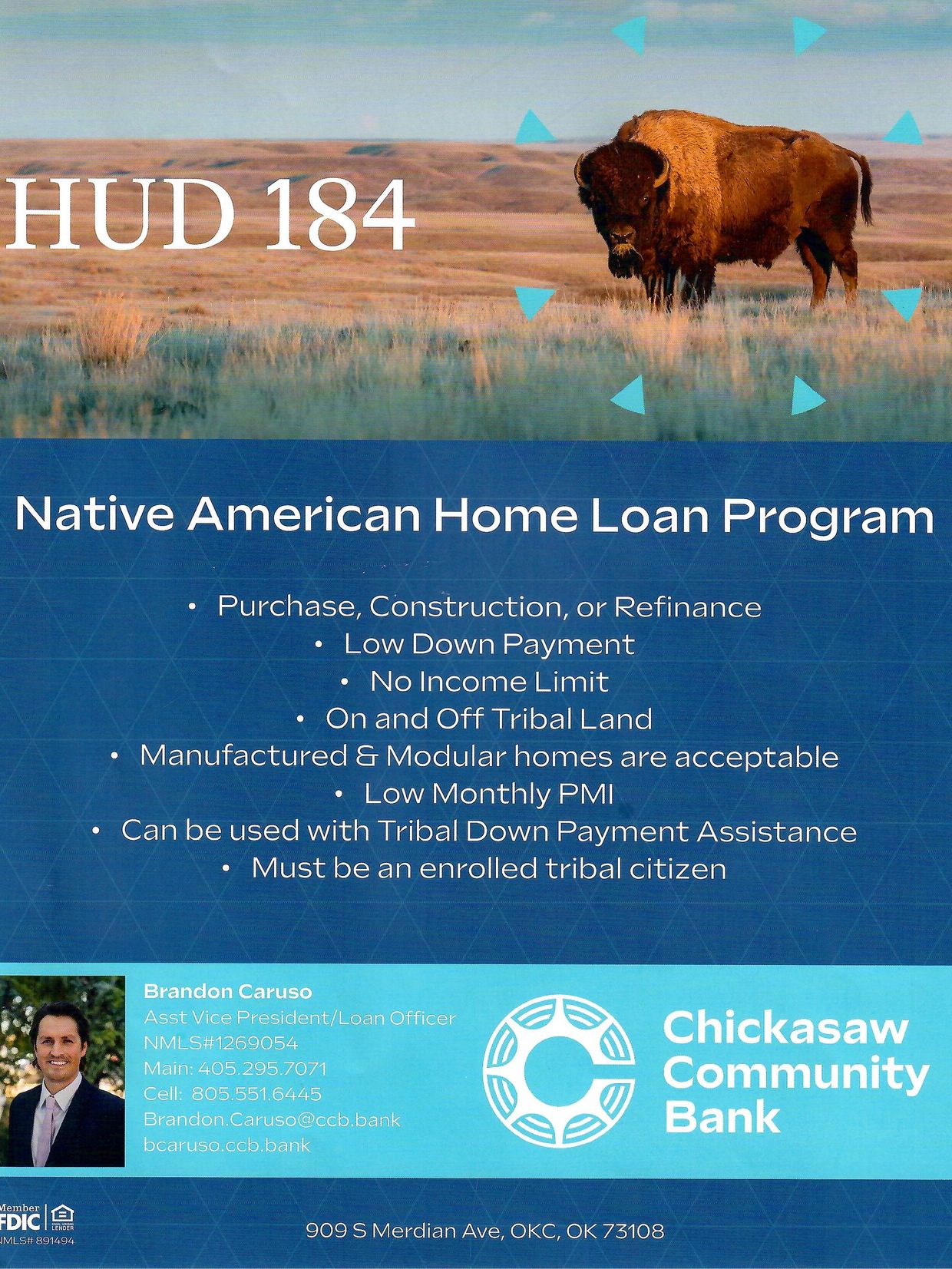
The existence of such a specialized and beneficial program necessitates a particular type of lender – one equipped with the knowledge, experience, and commitment to navigate its unique requirements.
The Lenders: Who Offers Section 184 Loans?
Unlike the major national banks that dominate the conventional and FHA markets, the landscape of Section 184 lenders is more specialized. You’ll typically find these loans offered by:
- Community Banks and Credit Unions: These institutions often have a stronger focus on local communities and may have existing relationships with tribal governments or Native American populations. They tend to offer more personalized service.
- Specialized Mortgage Companies: Some mortgage companies specifically focus on government-backed loans (FHA, VA, USDA, and Section 184) and have built expertise in these niche markets. They often have dedicated teams for Section 184 loans.
- Regional Banks: While less common for the very largest national banks, some regional banks with a significant presence in areas with large Native American populations may offer the program.
The key differentiator for these lenders is their willingness and capacity to understand the intricacies of tribal land, leasehold agreements, and the cultural context of Native American homeownership.
Advantages of Using Lenders Offering Section 184 Loans (Pros)
The "product" – the lender offering Section 184 loans – brings several significant advantages to eligible borrowers:
- Access to a Highly Beneficial Program: The primary advantage is, of course, gaining access to the Section 184 loan itself. Without these specialized lenders, the program would be inaccessible to those it’s designed to help. This alone makes the lenders offering it invaluable.
- Expertise in Specialized Underwriting: Section 184 loans often involve unique scenarios, such as homes on tribal trust lands or leasehold properties. Lenders experienced in Section 184 understand these complexities, including working with Bureau of Indian Affairs (BIA) regulations, tribal housing departments, and leasehold agreements. Their expertise minimizes the chances of delays or rejections due to unfamiliarity.
- Lower Down Payment Requirements: With a down payment as low as 2.25%, these lenders open the door to homeownership for many who might struggle to save the larger down payments required for conventional loans (typically 5-20%). This significantly reduces the upfront financial barrier.
- No Monthly Mortgage Insurance: The absence of a recurring monthly mortgage insurance payment (only the upfront 1% guarantee fee) translates to lower monthly housing costs for the borrower. Over the life of the loan, this can save tens of thousands of dollars, making homeownership more affordable and sustainable.
- Flexible Credit Guidelines: Lenders experienced in Section 184 often understand that traditional credit scoring models may not fully capture the financial responsibility of Native American borrowers. They are typically more adept at considering alternative credit data, such as utility payments, rent history, and tribal loan payments, which can be crucial for those with limited traditional credit.
- Personalized Service and Cultural Competency: Many Section 184 lenders, particularly community banks and specialized mortgage companies, pride themselves on offering a more personalized experience. They often have staff who are trained in cultural competency, understanding the unique needs and perspectives of Native American borrowers, which can lead to a more comfortable and respectful lending process.
- Support for Community Development: By facilitating Section 184 loans, these lenders directly contribute to economic development and stability within Native American communities. They are partners in empowering tribal members to build equity and generational wealth.
- Assumable Loans: The assumable nature of Section 184 loans is a significant long-term benefit. Should the borrower decide to sell their home in the future, an eligible buyer could assume the existing loan’s terms, potentially making the home more attractive, especially in a rising interest rate environment.
Disadvantages/Challenges of Working with Section 184 Lenders (Cons)
While the benefits are substantial, there are also some challenges inherent in the specialized nature of Section 184 lending:
- Limited Lender Pool: This is perhaps the biggest disadvantage. Unlike conventional loans, where hundreds of lenders compete, the number of active Section 184 lenders is much smaller. This can mean less competition, potentially fewer options for borrowers to shop for the absolute best rates, and a longer search process to find an eligible lender.
- Lack of Widespread Awareness: Both among potential borrowers and, sometimes, within the broader lending industry, there’s a lack of awareness about the Section 184 program. This can lead to eligible borrowers not knowing about the program or encountering lenders who are unfamiliar with it, resulting in misdirection or missed opportunities.
- Potentially Slower Processing Times: Because Section 184 loans often involve additional layers of review (e.g., tribal approvals, BIA documentation for trust lands), the closing process can sometimes take longer than for a conventional loan. Smaller, specialized lender teams might also have fewer resources to expedite processing compared to large national banks.
- Varying Levels of Expertise: While many Section 184 lenders are highly experienced, the limited pool means there might be a wider variance in expertise. Some lenders might only do a few Section 184 loans a year, potentially leading to less efficient processing or a steeper learning curve for their loan officers. Borrowers need to carefully vet a lender’s experience.
- Geographic Restrictions on Property: While the borrower can live anywhere, the property being financed must be located within an approved Section 184 area. This can limit options for some borrowers, especially in regions with smaller Native American populations or where approved areas are not extensive.
- Upfront Guarantee Fee: Although there’s no monthly MI, the 1.00% upfront guarantee fee, even if financed, adds to the total loan amount and is a cost that needs to be factored in.
- Less Digital Integration (Potentially): Some smaller, specialized lenders may not have the same level of digital application, document submission, or online tracking tools that larger, tech-forward conventional lenders offer. This isn’t universally true, but it’s a possibility.
What to Look For in a Section 184 Lender: A Buyer’s Guide
When evaluating "lenders offering HUD Section 184 loans" as a product, it’s crucial to look beyond just the availability of the loan. Here are key criteria:
- Demonstrated Experience and Track Record: Ask how many Section 184 loans they close annually and for how long they’ve been offering the program. A lender with a long history and high volume will likely have a more streamlined process and deeper understanding.
- Dedicated Section 184 Team/Specialists: Look for lenders with specific loan officers and processors who specialize in Section 184. This ensures you’re working with experts who understand the nuances and can guide you effectively.
- Strong Communication and Responsiveness: Given the potential for unique situations, clear and prompt communication from your lender is paramount. They should be proactive in providing updates and responsive to your questions.
- Transparency in Fees and Costs: Ensure the lender is upfront about all costs associated with the loan, including the 1% upfront guarantee fee, closing costs, and any lender-specific fees.
- Competitive Rates: While the pool is smaller, still shop around among the available Section 184 lenders to ensure you’re getting a competitive interest rate.
- Cultural Competency and Understanding: A lender who demonstrates an understanding and respect for Native American culture, tribal sovereignty, and the specific challenges faced by Native American borrowers will provide a more supportive and effective experience.
- Positive Reviews and Testimonials: Look for reviews from other borrowers who have used their Section 184 services. This can provide valuable insight into their customer service and efficiency.
- Efficiency and Process Streamlining: Ask about their typical closing timeline for Section 184 loans and what steps they take to make the process as smooth as possible.
Recommendation: Is This "Product" Worth It?
For eligible Native American and Alaska Native individuals, families, and tribes, working with lenders offering HUD Section 184 loans is not just "worth it" – it is a highly recommended and often essential pathway to homeownership.
The Section 184 program is a uniquely powerful tool designed to address historical inequities and provide a sustainable route to building generational wealth. The lenders who offer this program are the crucial intermediaries, translating the program’s benefits into tangible homeownership opportunities.
Our recommendation is to actively seek out and prioritize lenders with a proven track record, deep expertise, and a commitment to the Section 184 program. While the limited lender pool and potential for slower processing are valid concerns, the significant advantages – low down payment, no monthly mortgage insurance, flexible underwriting, and tailored support – far outweigh these disadvantages for eligible borrowers.
Specific Buying Advice:
- Start Your Search Early: Don’t wait until you’ve found a house to look for a lender. Begin your lender search as soon as you consider homeownership.
- Interview Multiple Lenders: Even with a smaller pool, try to speak with at least two or three Section 184 lenders to compare their offerings, expertise, and customer service approach.
- Ask Direct Questions: Don’t hesitate to ask about their experience, processing times, specific fees, and how they handle unique situations (e.g., trust land leases).
- Educate Yourself: The more you understand about the Section 184 program, the better equipped you’ll be to evaluate potential lenders and advocate for yourself throughout the process. HUD’s official Section 184 website is an excellent resource.
In conclusion, the "product" of lenders offering HUD Section 184 loans is not just a service; it’s a bridge to opportunity. For those it’s designed to serve, these lenders are indispensable partners in achieving the dream of homeownership, fostering economic self-sufficiency, and strengthening Native American and Alaska Native communities. Choosing the right, experienced lender is paramount to a successful and empowering homebuying journey.


