Navigating the Path to Homeownership: A Comprehensive Review of the Native American Home Loan Application Process
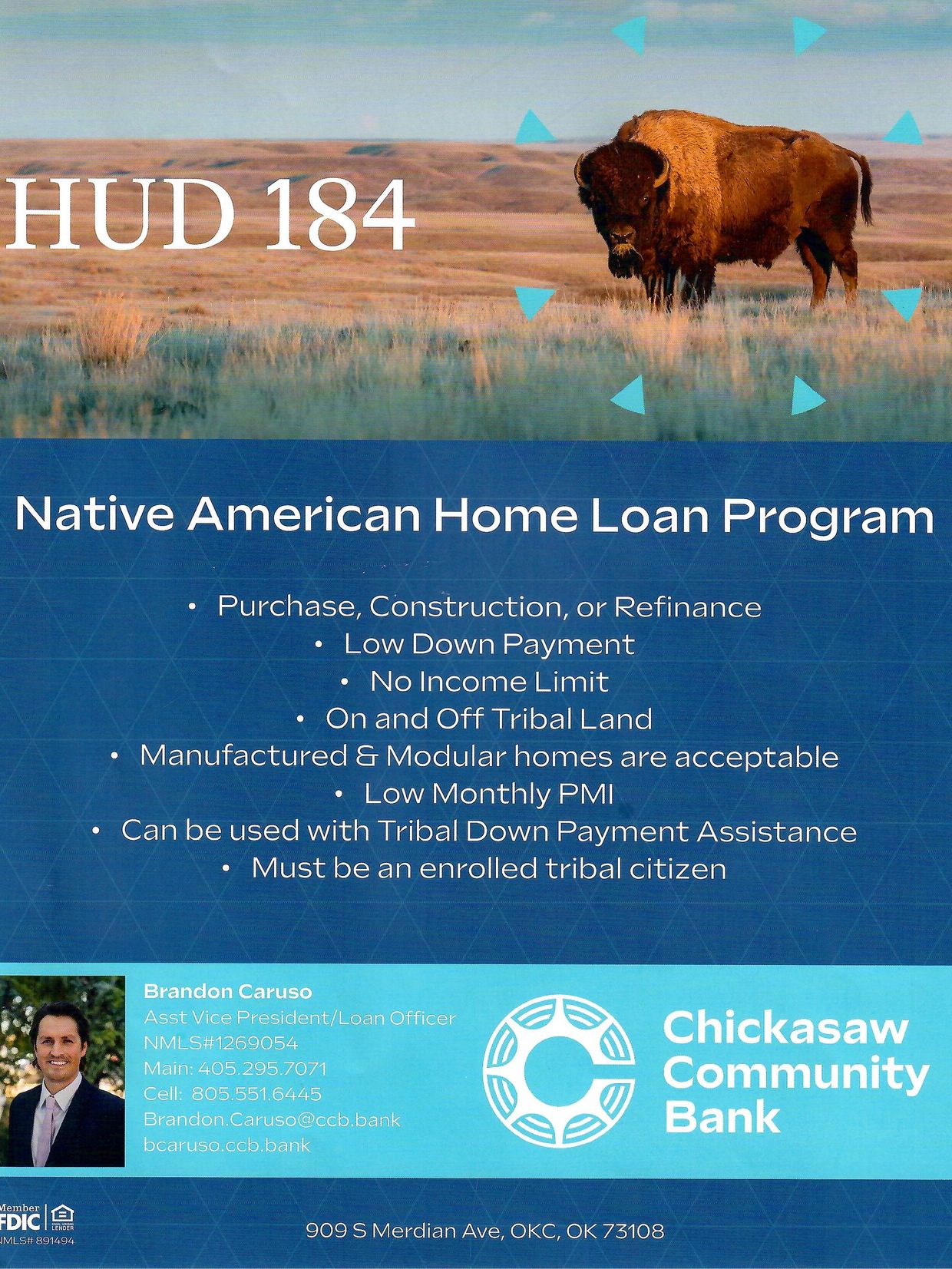
The dream of homeownership is a cornerstone of the American ideal, representing stability, wealth building, and a place to call one’s own. However, for Native Americans, this path has historically been fraught with unique challenges, rooted in complex land tenure systems, historical injustices, and systemic economic disparities. In response to these barriers, specialized home loan programs have emerged, designed to address the specific needs and circumstances of Native American individuals and communities. This article provides an in-depth review of the Native American home loan application process, primarily focusing on the most prominent program, the HUD Section 184 Indian Home Loan Guarantee Program, evaluating its advantages, disadvantages, and offering a recommendation for prospective homeowners.
Understanding the Landscape: Why Specialized Programs Are Essential
To truly appreciate the value of specialized Native American home loan programs, one must first understand the unique historical and legal context that necessitates them. Much of Native American land is held in trust by the U.S. government for the benefit of tribes or individual tribal members. This trust status means that land cannot be directly owned by individuals in the conventional "fee simple" manner, which is the standard for most mortgage lending. Instead, individuals often hold long-term leases on tribal land, a concept unfamiliar and often challenging for traditional lenders to underwrite.
Beyond land tenure, Native American communities have faced disproportionate rates of poverty, limited access to capital, and historical underinvestment, leading to lower credit scores and less accumulated wealth compared to the general population. Traditional mortgage requirements for substantial down payments, stringent credit history, and conventional property appraisals often become insurmountable hurdles. Specialized programs like Section 184 were thus developed to bridge these gaps, offering tailored solutions that respect tribal sovereignty and address economic realities.
The Core Product: HUD Section 184 Indian Home Loan Guarantee Program
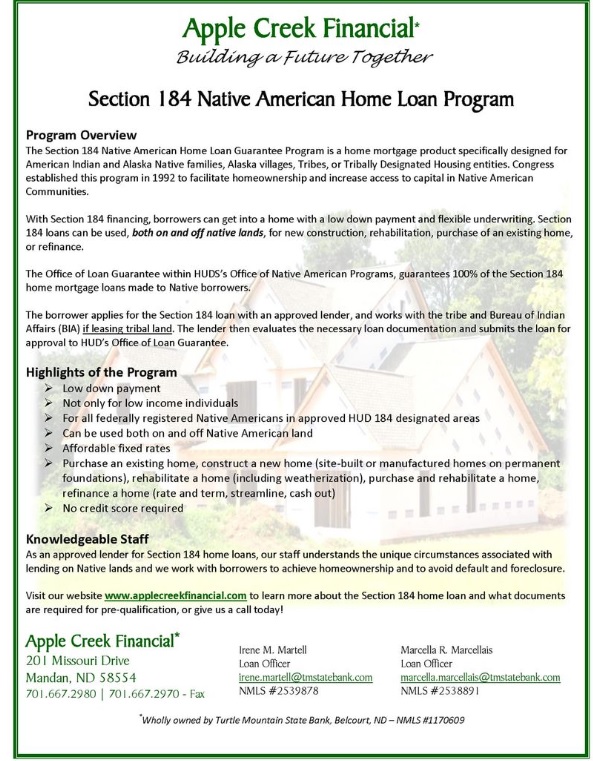
The HUD Section 184 Indian Home Loan Guarantee Program is the flagship initiative designed to help Native American and Alaska Native families achieve homeownership. Administered by the U.S. Department of Housing and Urban Development’s Office of Native American Programs (ONAP), this program provides a federal guarantee to approved lenders, reducing their risk and encouraging them to offer loans to eligible Native Americans. This guarantee is crucial, as it enables lenders to provide more flexible terms that cater to the specific needs of Native American borrowers, especially concerning trust land.
Eligibility:
To qualify for a Section 184 loan, an applicant must be an enrolled member of a federally recognized American Indian tribe or an Alaska Native village. The loan can be used to purchase, construct, or rehabilitate a home on or off trust lands, within approved areas.
Key Features and the Application Process:
-
Finding an Approved Lender: The first step is to locate a lender approved to offer Section 184 loans. Not all lenders participate in the program, so finding one with experience in this specialized area is crucial. Many lenders are national, but some smaller, regional banks or credit unions may also offer it.
-
Pre-Qualification/Pre-Approval: Similar to conventional loans, borrowers will submit financial documents (income, assets, debts) to determine their eligibility and the maximum loan amount they can afford. This stage also involves a credit check, though Section 184 often has more flexible credit requirements than traditional mortgages.
-
Property Search and Offer: Once pre-approved, the borrower can begin searching for a home. Section 184 loans can be used for:
- Purchase of an existing home: On or off trust land.
- Construction of a new home: Including modular or manufactured homes.
- Rehabilitation of an existing home: Combining the purchase price with the cost of repairs.
- Refinancing: Both conventional loans and existing Section 184 loans.
-
Unique Appraisal Process (especially for Trust Land): This is where Section 184 truly differentiates itself. For homes on trust land, the appraisal process must account for the unique land tenure system. Instead of appraising fee-simple ownership, appraisers evaluate the value of the leasehold interest, considering the terms of the tribal lease. This often requires close coordination with tribal housing authorities and ONAP. For homes on fee-simple land, the appraisal process is more akin to conventional loans, but still follows Section 184 guidelines.
-
Underwriting and Approval: The lender will gather all necessary documentation, including income verification, asset statements, and the appraisal report. HUD/ONAP then reviews the loan package to ensure it meets all program guidelines before issuing a commitment to guarantee the loan. This dual review process can sometimes add to the timeline.
-
Tribal Review and Consent (for Trust Land): If the property is on tribal trust land, the tribe must approve the leasehold mortgage and any associated documents. This step ensures tribal sovereignty is respected and that the transaction aligns with tribal laws and regulations.
-
Closing: Once all approvals are in place, the loan proceeds to closing. This involves signing all legal documents, transferring funds, and officially becoming a homeowner.

Financial Aspects:
- Low Down Payment: One of the most attractive features is the low down payment requirement: 2.25% for loans over $50,000 and 1.25% for loans $50,000 or less.
- Upfront Guarantee Fee: A one-time guarantee fee of 1.5% of the loan amount is charged, which can be financed into the loan.
- No Monthly Mortgage Insurance: Unlike FHA loans or conventional loans with low down payments, Section 184 does not require monthly mortgage insurance (PMI/MIP), significantly reducing monthly housing costs.
- Competitive Interest Rates: Because the loan is federally guaranteed, lenders can offer competitive interest rates, often comparable to FHA loans.
Advantages of the Section 184 Program (The "Pros")
The HUD Section 184 program offers several significant advantages that make it an invaluable resource for Native American aspiring homeowners:
-
Increased Accessibility to Homeownership: The most compelling advantage is the dramatically lower barrier to entry. The low down payment requirements mean that saving for a home becomes a more achievable goal for many families. Coupled with flexible credit underwriting standards that consider non-traditional credit histories or explainable credit challenges, Section 184 opens doors that conventional loans often keep closed.
-
Affordability through Reduced Monthly Costs: The absence of monthly mortgage insurance premiums is a substantial financial benefit. For many low-to-moderate income borrowers, PMI/MIP can add hundreds of dollars to a monthly payment. Eliminating this cost makes homeownership more affordable and sustainable over the long term, freeing up funds for other essential needs or savings.
-
Culturally Sensitive and Adapted for Trust Land: Section 184 is uniquely designed to navigate the complexities of trust land and tribal sovereignty. Its appraisal and underwriting processes are specifically adapted to handle leasehold interests, providing a pathway to homeownership on tribal lands that would be impossible with conventional mortgages. This respect for tribal governance and land tenure is foundational to the program’s success.
-
Flexibility in Property Types and Locations: The program supports various housing solutions, from purchasing existing homes to new construction, rehabilitation, or refinancing. It can be used both on and off reservation lands (within approved service areas), offering flexibility for tribal members who may live in urban areas but wish to leverage their tribal affiliation for home financing.
-
Federal Guarantee Provides Lender Confidence: The federal guarantee reduces the risk for participating lenders. This encourages more lenders to offer the product, potentially leading to better service and more competitive terms for borrowers, even in markets where traditional lending might be hesitant.
-
Support for Community Development: By facilitating homeownership, Section 184 contributes to the overall economic stability and development of Native American communities. Increased homeownership can lead to greater community investment, local economic growth, and a stronger tax base for tribal services.
Disadvantages of the Section 184 Program (The "Cons")
Despite its numerous benefits, the Section 184 program is not without its drawbacks, which potential applicants should consider:
-
Limited Lender Pool: While the program has grown, the number of lenders approved to offer Section 184 loans is still significantly smaller than for conventional or FHA loans. This can limit options, particularly in certain geographic areas, and may require applicants to search more extensively for a participating lender.
-
Complexity and Time for Trust Land Transactions: While designed for trust land, the process can still be complex and time-consuming. Navigating tribal government approvals, securing long-term leases, and coordinating with ONAP and specialized appraisers can lead to longer closing times compared to fee-simple transactions. This requires patience and proactive engagement from the borrower.
-
Geographic Restrictions: Although broadly available, the program is limited to specific areas where HUD has approved its use. While this covers most areas with federally recognized tribes, individuals in certain regions or those looking to purchase outside of established service areas might find it unavailable.
-
Upfront Guarantee Fee: While there’s no monthly PMI, the 1.5% upfront guarantee fee, even if financed, adds to the total loan amount. Borrowers should understand this cost and factor it into their overall financial planning.
-
Eligibility Restrictions: The program is exclusively for enrolled members of federally recognized tribes. This means non-Native Americans or members of un-federally recognized tribes cannot access this specific benefit, highlighting its targeted nature but also its exclusivity.
-
Awareness and Education Gap: Many potential borrowers, and even some housing professionals, are not fully aware of the Section 184 program or its benefits. This lack of awareness can hinder access, requiring individuals to actively seek out information and specialized expertise.
-
Bureaucracy and Oversight: As a government-backed program, Section 184 involves a degree of bureaucracy and oversight from HUD/ONAP. While ensuring compliance and protecting borrowers, this can sometimes add layers to the approval process.
Other Relevant Programs and Considerations
While Section 184 is the primary focus, it’s worth noting other avenues:
- USDA Rural Development Loans (Section 502 Direct and Guaranteed): These programs offer low-interest loans and payment assistance to low- and very-low-income individuals in rural areas, which often include tribal lands. They can be a viable alternative or complement to Section 184, especially for new construction or substantial repairs.
- VA Home Loans: Native American veterans may also be eligible for VA Home Loans, which offer no down payment, competitive interest rates, and no private mortgage insurance. The VA Native American Direct Loan (NADL) program specifically provides direct loans to eligible Native American veterans to buy, build, or improve homes on Federal Trust Land.
- Tribal Housing Programs: Many tribes have their own housing authorities or programs that offer down payment assistance, housing subsidies, or even direct loans to tribal members, often designed to work in conjunction with federal programs like Section 184.
- Conventional and FHA Loans: While less tailored, these remain options for Native Americans purchasing homes on fee-simple land, particularly if they meet standard credit and down payment requirements.
Recommendation for the Native American Home Loan Application Process
After a thorough review, the Native American home loan application process, particularly through the HUD Section 184 Indian Home Loan Guarantee Program, comes with a strong recommendation for eligible individuals.
Who is this "product" for?
This program is ideal for enrolled members of federally recognized tribes who aspire to homeownership, especially those who:
- Have limited savings for a substantial down payment.
- May have a non-traditional credit history or need more flexible underwriting.
- Wish to purchase or build a home on tribal trust land.
- Are looking for a mortgage product designed with their unique cultural and legal context in mind.
Why the strong recommendation?
The Section 184 program represents a vital and effective mechanism for addressing historical disparities and enabling homeownership within Native American communities. Its low down payment, lack of monthly PMI, and adaptability to trust land are unparalleled advantages that significantly enhance affordability and accessibility. It’s a program born out of necessity and designed with sensitivity to tribal sovereignty and economic realities.
Key Advice for Applicants:
- Educate Yourself: Understand the specifics of Section 184 and how it applies to your situation, especially if considering trust land.
- Find an Experienced Lender: Seek out lenders with a proven track record of processing Section 184 loans and a deep understanding of tribal land issues.
- Engage Your Tribe: If purchasing on trust land, involve your tribal housing authority early in the process. Their guidance and support are invaluable.
- Be Patient and Persistent: The process, especially on trust land, can take time. Patience and diligent follow-up are key.
- Explore All Options: While Section 184 is excellent, also investigate USDA, VA (if applicable), and tribal-specific programs to ensure you find the best fit for your needs.
In conclusion, the Native American home loan application process, exemplified by the HUD Section 184 program, is not just a financial product; it’s a critical tool for empowerment, community building, and the realization of the American Dream for those who have historically faced the most significant barriers. While it requires diligent navigation, the benefits far outweigh the complexities, making it an indispensable resource for Native American families seeking to establish roots and build generational wealth through homeownership.


