Navigating the Path to Homeownership: A Comprehensive Review of Native American Home Loan Requirements
Homeownership is a cornerstone of the American Dream, offering stability, wealth building, and a sense of belonging. However, for many Native American and Alaska Native individuals and families, this dream has historically been fraught with unique challenges, stemming from land tenure complexities, socio-economic disparities, and a lack of access to conventional financing. In response to these systemic barriers, specialized home loan programs have emerged, designed to address the specific needs and circumstances of Indigenous communities.
This article serves as a comprehensive review of these critical financial instruments, primarily focusing on the HUD Section 184 Indian Home Loan Guarantee Program. While not a "product" in the traditional sense, we will evaluate its structure, requirements, benefits, drawbacks, and overall efficacy as a vital tool for promoting Native American homeownership and economic self-sufficiency. Our aim is to provide a detailed understanding for potential borrowers, lenders, and policymakers alike, culminating in a "recommendation" on its utilization.
Understanding the Landscape: Why Specialized Loans?

Before delving into the specifics, it’s crucial to understand the unique context that necessitated the creation of programs like the HUD Section 184 loan. Native American lands are often held in trust by the U.S. government, or are restricted-fee lands, creating a complex legal framework for property ownership that differs significantly from conventional fee-simple land. Traditional lenders are often hesitant or unable to navigate these complexities, leading to a significant gap in mortgage access for tribal members.
Furthermore, historical injustices, forced relocation, and a legacy of underinvestment have resulted in economic disparities within many Indigenous communities. This can translate to lower credit scores, non-traditional income streams, and a lack of financial literacy resources – all of which present hurdles for conventional loan qualification.
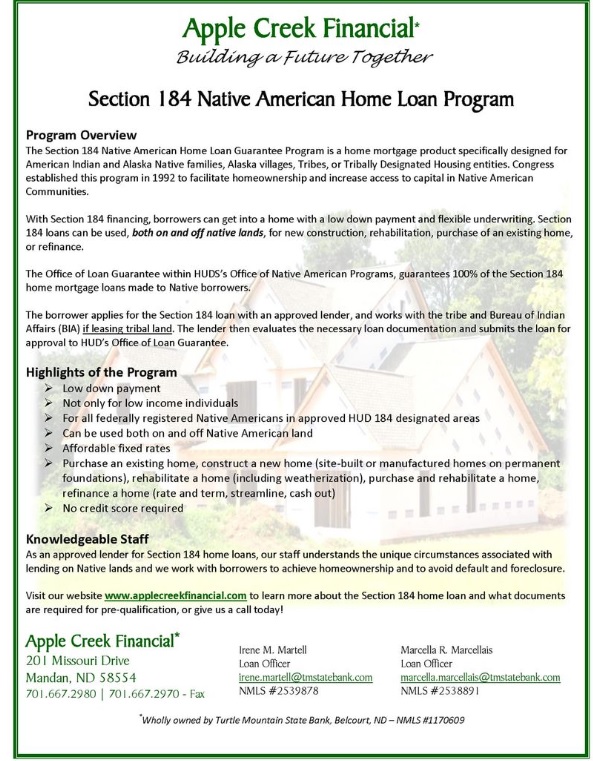
The HUD Section 184 program was established in 1992 to directly address these issues, providing a federal guarantee for mortgages made to eligible Native American and Alaska Native borrowers, both on and off tribal lands. This guarantee significantly reduces the risk for approved lenders, encouraging them to provide financing where they might not otherwise.
The Core "Product": HUD Section 184 Indian Home Loan Guarantee Program
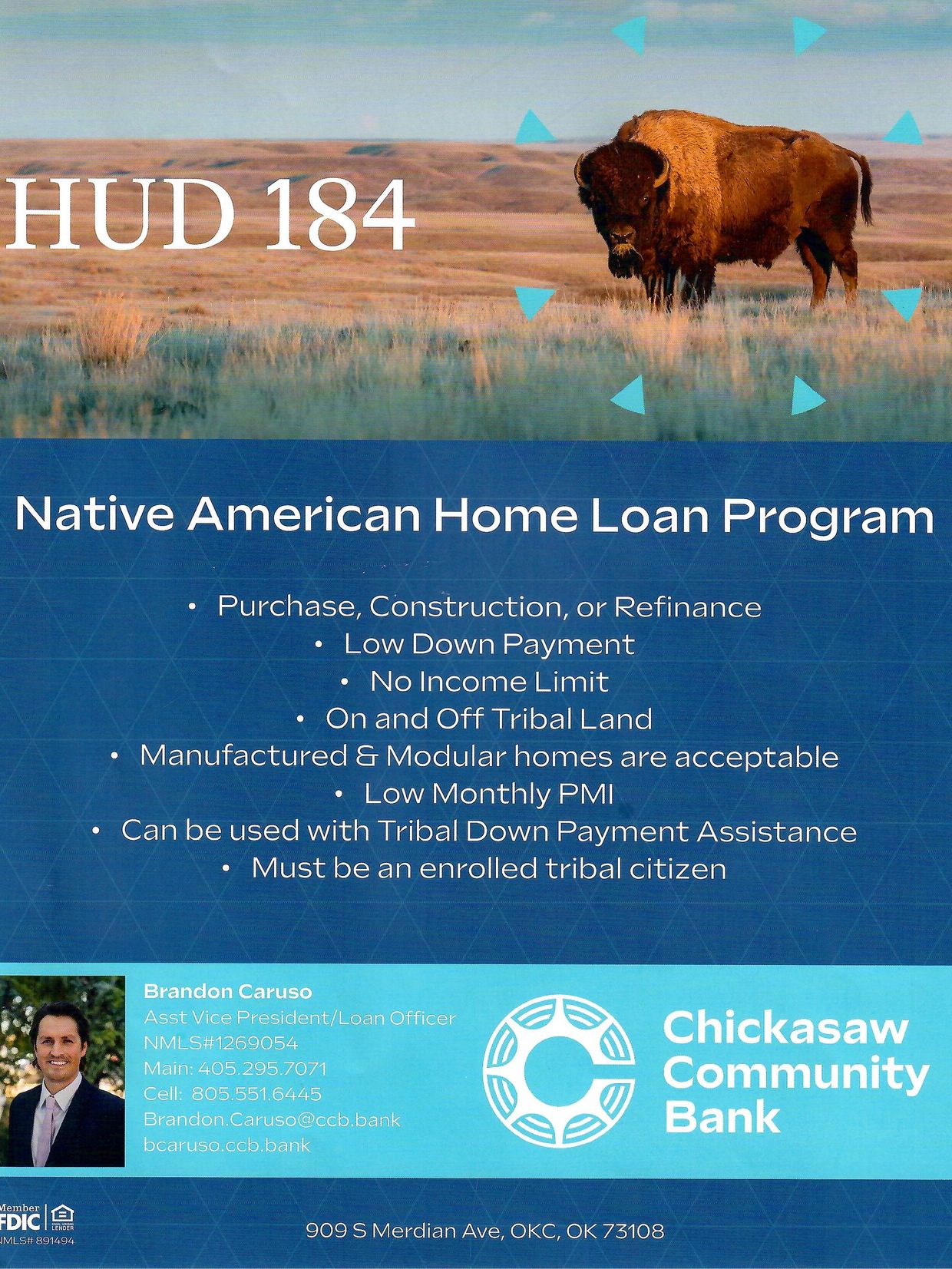
The Section 184 program is the most prominent and widely utilized specialized home loan for Native Americans. It is a mortgage product specifically designed for Native American and Alaska Native families, federally guaranteed by the U.S. Department of Housing and Urban Development (HUD), Office of Native American Programs (ONAP).
Key Requirements for Eligibility:
- Tribal Affiliation: The primary requirement is that the borrower (or at least one borrower in a joint application) must be an enrolled member of a federally recognized American Indian Tribe or Alaska Native Village. Verification of tribal enrollment is mandatory.
- Property Location: The home must be located in an eligible area, which includes any reservation, or other areas approved by HUD, which can include many off-reservation areas. This allows for flexibility beyond just tribal trust lands.
- Approved Lender: Borrowers must work with a Section 184 approved lender. Not all mortgage lenders offer this program, so finding an experienced one is crucial.
- Creditworthiness: While more flexible than conventional loans, borrowers must still demonstrate an ability to repay the loan. Lenders will review credit history, income, and debt-to-income ratios. However, the program’s underwriting guidelines are more culturally sensitive, allowing for consideration of non-traditional credit references (e.g., utility payments, rental history) and stable, verifiable income, even if it’s seasonal or varied.
- Down Payment: A relatively low down payment is required:
- 1.25% for loans up to $50,000
- 2.25% for loans over $50,000
- Mortgage Insurance: Unlike FHA or conventional loans that require monthly Private Mortgage Insurance (PMI) or Mortgage Insurance Premiums (MIPs), Section 184 has a one-time upfront Guarantee Fee of 1.5% of the loan amount, and an annual Guarantee Fee of 0.25% of the outstanding principal balance, paid monthly. This eliminates the often substantial monthly PMI/MIP payment.
- Loan Purposes: The program can be used for a wide range of housing needs:
- Purchasing an existing home.
- Constructing a new home.
- Refinancing an existing mortgage (including rate and term, or cash-out).
- Rehabilitating a home.
- Purchasing and rehabilitating a home.
- Property Standards: Homes must meet HUD’s minimum property standards to ensure safety, soundness, and sanitary conditions.
- Land Lease/Mortgage Documents (for Trust/Restricted Lands): This is where the unique complexity lies. For homes on trust or restricted lands, the borrower doesn’t own the land outright in fee simple. Instead, a leasehold interest is established. This requires coordination with the Bureau of Indian Affairs (BIA) and the Tribe to ensure all necessary lease agreements, title status reports, and other legal documents are in place and approved. The loan is secured by the leasehold interest, not the land itself.
Advantages (Pros) of the HUD Section 184 Program
The Section 184 loan program offers several significant benefits that make it an invaluable resource for Native American borrowers:
- Accessibility for Trust Lands: This is arguably the program’s greatest strength. It is specifically designed to facilitate homeownership on trust and restricted lands, where conventional financing is often impossible. By guaranteeing loans on leasehold interests, it opens doors that would otherwise be closed.
- Low Down Payment Requirements: The minimal down payment (1.25% or 2.25%) significantly reduces the upfront financial barrier to homeownership, making it more attainable for families with limited savings.
- No Monthly Private Mortgage Insurance (PMI): While there’s an upfront and annual guarantee fee, the absence of a monthly PMI payment, common in many low-down-payment loans, results in lower monthly housing costs over the life of the loan. This can lead to substantial savings.
- Flexible Underwriting Standards: The program’s guidelines are more attuned to the unique financial realities of Native American communities. Lenders can consider non-traditional credit histories, varying income streams, and tribal land lease payments as part of the underwriting process, making it easier for eligible borrowers to qualify.
- Competitive Interest Rates: Section 184 loans typically offer market-competitive interest rates, often comparable to or better than conventional loans, ensuring affordable payments.
- Versatility in Loan Usage: The program’s ability to finance new construction, rehabilitation, purchase, and refinancing provides comprehensive solutions for various housing needs, supporting both existing homeowners and aspiring ones.
- Support for Tribal Sovereignty and Economic Development: By facilitating homeownership on and near tribal lands, the program indirectly supports tribal self-governance and economic development initiatives, allowing communities to grow and thrive.
- Long-Term Stability: Homeownership provides a stable foundation for families, allowing them to build equity, pass down assets, and invest in their communities.
Disadvantages (Cons) and Challenges of the HUD Section 184 Program
Despite its numerous advantages, the Section 184 program is not without its challenges and limitations:
- Limited Lender Pool: Not all mortgage lenders are approved to originate Section 184 loans. This can make it challenging for borrowers to find a lender, potentially limiting their options and the level of competition for their business.
- Complexity of Trust Land Transactions: While the program enables loans on trust lands, the process itself can be lengthy and complex. It often involves multiple layers of approval from the BIA, the Tribe, and HUD, which can lead to significant delays in closing times compared to fee-simple transactions. Navigating these bureaucratic hurdles requires an experienced lender and title company.
- Geographic Restrictions (in some cases): While the program covers many off-reservation areas, it is ultimately tied to areas approved by HUD for Native American housing initiatives. This means it’s not universally available in every location across the country.
- Eligibility Restrictions: The strict requirement of being an enrolled member of a federally recognized tribe means that individuals who identify as Native American but are not enrolled, or who are members of un-federally recognized tribes, are ineligible.
- Awareness and Education Gaps: Many potential borrowers, and even some housing professionals, are not fully aware of the Section 184 program or its benefits. This lack of awareness can hinder its broader utilization.
- Upfront Guarantee Fee: While the absence of monthly PMI is a significant pro, the 1.5% upfront guarantee fee, though often financed into the loan, is still an additional cost that borrowers must factor in.
- Potential for Misconceptions: Sometimes, the program can be misunderstood or viewed as "special treatment" rather than a corrective measure addressing historical inequities and unique land tenure systems. This can lead to an underlying reluctance in some segments of the lending industry.
- Dependence on Federal Funding and Policy: Like any government-backed program, its long-term stability and effectiveness can be influenced by changes in federal funding, political priorities, and policy shifts.
The "Recommendation": Who Should Utilize This "Product"?
The HUD Section 184 Indian Home Loan Guarantee Program is an indispensable and highly recommended financial tool for its intended audience.
We strongly recommend that any eligible individual or family who is an enrolled member of a federally recognized American Indian Tribe or Alaska Native Village, and is seeking homeownership or housing improvements, thoroughly investigate and consider the Section 184 program.
Key considerations for "purchase/utilization":
- If you are looking to purchase, build, or refinance a home on tribal trust lands: The Section 184 program is often your only viable option and should be pursued diligently. Its structure is uniquely designed to overcome the legal and financial barriers associated with these lands.
- If you are looking to purchase or build a home in an eligible off-reservation area: Even if conventional loans are available, the Section 184 program often offers more favorable terms due to its lower down payment, flexible underwriting, and the absence of monthly PMI. Compare its offerings carefully against conventional, FHA, or VA loans.
- If you have a non-traditional credit history or stable but varied income: The program’s flexible underwriting can provide a pathway to homeownership that might be inaccessible through stricter conventional lenders.
- If you are committed to engaging with the process: While the benefits are substantial, be prepared for potential complexities, especially with trust land transactions. Working with an experienced and reputable Section 184 lender is paramount to navigating the process smoothly.
How to "Utilize" Effectively:
- Educate Yourself: Understand the program’s requirements, benefits, and potential challenges.
- Verify Eligibility: Confirm your tribal enrollment and the property’s location eligibility.
- Find an Approved Lender: Seek out lenders with a proven track record of originating Section 184 loans and a deep understanding of tribal land issues. Ask for references or testimonials.
- Financial Preparedness: Work on improving your credit score, reducing debt, and saving for the down payment and closing costs.
- Seek Guidance: Utilize resources from tribal housing authorities, HUD ONAP offices, and experienced housing counselors specializing in Native American homeownership.
Conclusion
The HUD Section 184 Indian Home Loan Guarantee Program is far more than just a financial product; it is a critical instrument of equity, empowerment, and self-determination for Native American and Alaska Native communities. By directly addressing historical disparities and the unique complexities of tribal land tenure, it has successfully opened the doors to homeownership for thousands of families.
While the program presents its own set of challenges, particularly in the intricate processes associated with trust lands, its advantages — including low down payments, flexible underwriting, and the ability to finance homes on tribal lands — overwhelmingly position it as an essential and highly effective solution. For eligible borrowers, understanding and actively pursuing the Section 184 loan is not just a recommendation; it is a vital step towards achieving the dream of homeownership and building a stronger, more secure future for themselves and their communities.


