Navigating the Path to Homeownership: A Comprehensive Review of Native American Housing Authority Loan Programs
Homeownership is a cornerstone of the American Dream, representing stability, wealth accumulation, and community belonging. Yet, for many Native Americans, particularly those residing on tribal lands, this dream has historically been fraught with unique and significant challenges. Decades of federal policy, land tenure complexities, and systemic economic disparities have created barriers that conventional mortgage markets often fail to address. In response, a suite of specialized loan programs, primarily facilitated through Native American Housing Authorities (NAHAs) and backed by federal initiatives, has emerged as a vital pathway to homeownership and community development.
This article provides an in-depth review of these critical loan programs, examining their structure, benefits, drawbacks, and ultimately, offering a recommendation for their utilization. We will delve into how these programs, often operating under the umbrella of the U.S. Department of Housing and Urban Development (HUD), are specifically tailored to meet the distinct needs of Native American individuals and tribal communities, fostering self-determination and economic growth.
Understanding the Landscape: The Genesis of Specialized Housing Programs
The history of housing for Native Americans is deeply intertwined with federal Indian policy, which historically led to underdevelopment and a lack of infrastructure on reservations. Traditional financial institutions often hesitated to lend on tribal trust lands due to complex land tenure laws, which made it difficult to establish collateral and foreclose in the conventional sense. This created a significant gap, leaving many tribal members without access to the capital needed for home construction, purchase, or renovation.
Recognizing this systemic failure, the federal government, primarily through HUD, began developing programs designed to address these unique challenges. Key among these is the Native American Housing Assistance and Self-Determination Act of 1996 (NAHASDA), which fundamentally reshaped how housing assistance is provided to Native American communities. NAHASDA consolidated various federal housing programs into a single block grant for Indian Housing Block Grants (IHBG), empowering Tribal Housing Authorities (THAs) – the operational arms of NAHAs – to design and implement housing programs that best fit their specific tribal needs and cultural contexts.
While NAHASDA provides the funding framework for many direct assistance programs managed by THAs, the Section 184 Indian Home Loan Guarantee Program stands out as a distinct, federally guaranteed mortgage program specifically for Native Americans. Together, these two pillars form the core of the "product line" we are reviewing.
The "Products": Key Native American Housing Loan Programs
1. The Section 184 Indian Home Loan Guarantee Program:
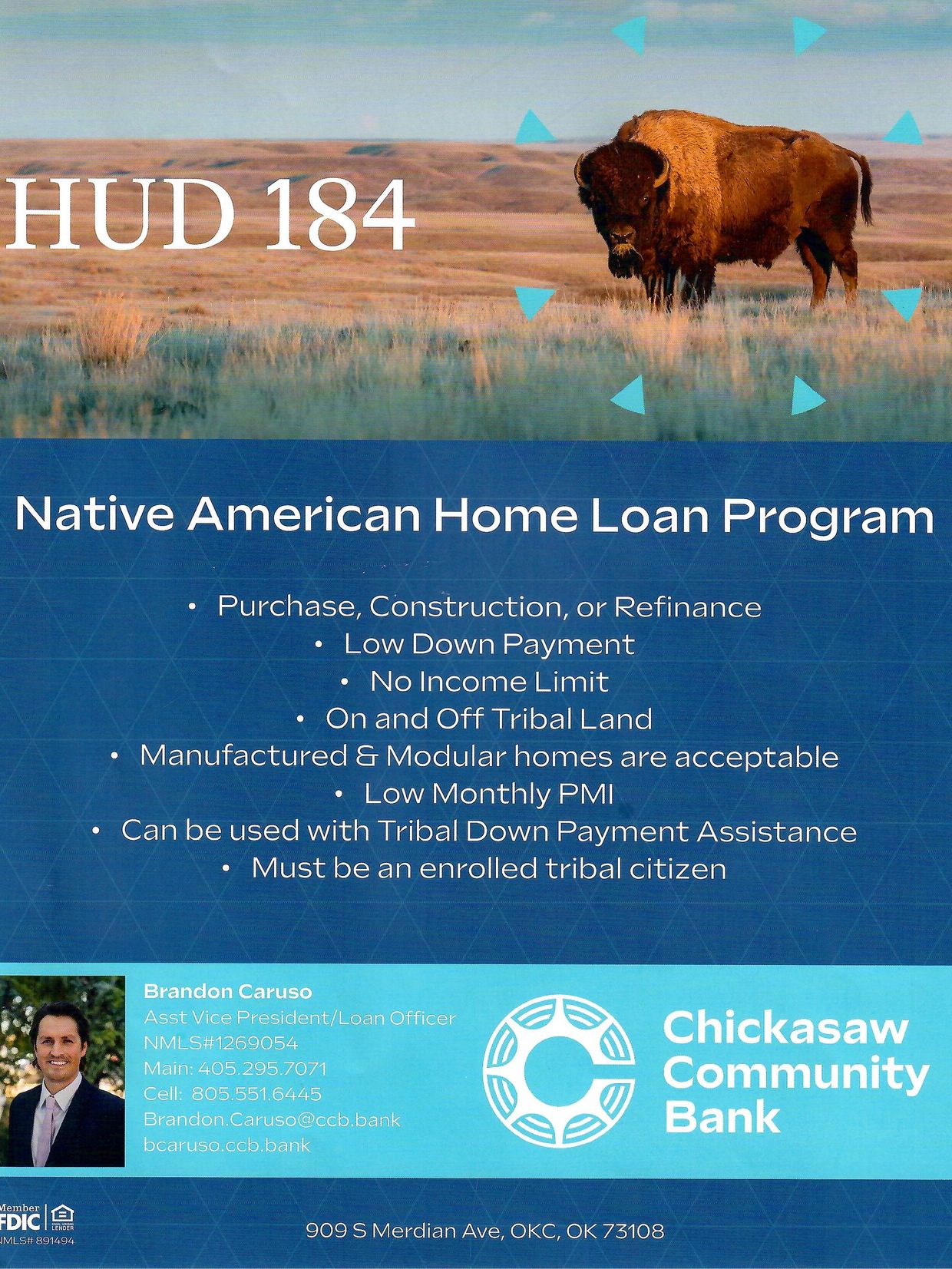
Administered by HUD’s Office of Native American Programs (ONAP), the Section 184 program is a mortgage product designed to increase homeownership opportunities for Native Americans and Alaska Natives. It works by guaranteeing a portion of the loan made by private lenders to eligible Native American borrowers. This guarantee significantly reduces the risk for lenders, making them more willing to lend in areas and under conditions that might otherwise be deemed too risky.
- Eligibility: Open to enrolled members of federally recognized tribes. Loans can be used to purchase an existing home, construct a new one, rehabilitate a home, or refinance an existing mortgage. Importantly, Section 184 loans can be used for homes located on and off tribal trust lands, in tribal areas, and even in some approved non-tribal areas.
- Key Features:
- Low Down Payment: Often as low as 2.25% for loans over $50,000 and 1.25% for loans under $50,000.
- Flexible Underwriting: Lenders are encouraged to consider non-traditional credit references and unique income streams common in Native communities.
- Fixed Interest Rates: Provides stability and predictability for borrowers.
- No Mortgage Insurance Premium (MIP) for Life: Unlike FHA loans, Section 184 has a one-time upfront guarantee fee, but no recurring monthly MIP, saving borrowers significant money over the life of the loan.
- Trust Land Eligibility: Crucially, it provides a viable mechanism for financing homes on individually allotted or tribally owned trust lands, where conventional mortgages are rarely available. This often involves a leasehold interest agreement between the borrower and the tribe/landowner.

2. Tribal Housing Authority (THA) Direct Loan Programs (often funded by NAHASDA):
NAHASDA block grants provide THAs with significant flexibility to design programs that directly address their community’s housing needs. While not always "loan programs" in the traditional sense, many THAs utilize these funds to offer:
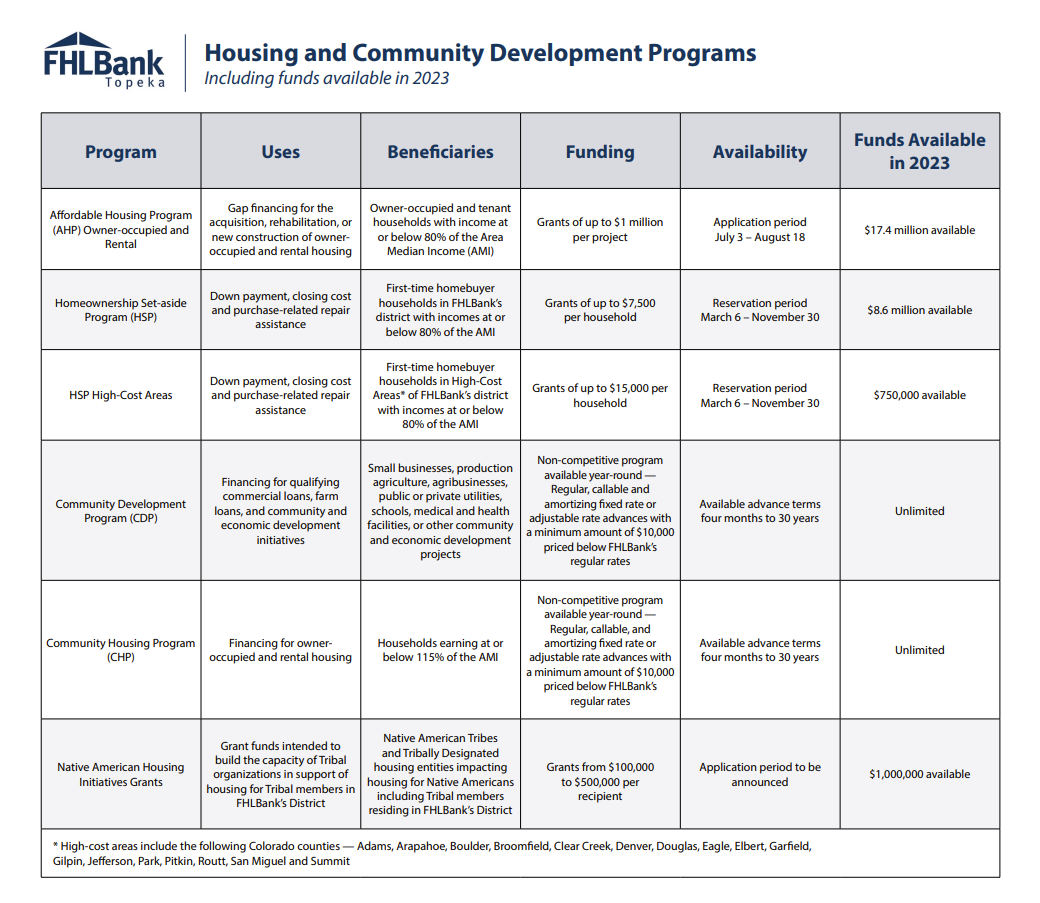
- Down Payment Assistance (DPA) Loans: Often zero-interest or deferred loans to help tribal members cover the initial costs of home purchase.
- Rehabilitation and Renovation Loans: To improve existing housing stock, addressing health and safety concerns.
- Construction Loans: For tribal members building new homes on their land.
- Affordable Rental Programs: Though our focus is on homeownership loans, many THAs also manage affordable rental units, which can serve as a stepping stone to homeownership.
- Self-Help Housing Programs: Where individuals or families contribute "sweat equity" to build their homes, often supported by low-interest loans for materials.
These direct programs are highly localized and vary significantly from one tribe to another, reflecting the unique cultural, economic, and geographic circumstances of each community.
Advantages: The Strengths of NAHA Loan Programs
The specialized nature of NAHA loan programs, particularly Section 184, offers numerous advantages:
- Accessibility and Cultural Sensitivity: These programs are designed by and for Native Americans, meaning they often operate with an understanding of tribal customs, governance, and the unique challenges faced by tribal members. The underwriting for Section 184 is more flexible, recognizing non-traditional income sources and credit histories.
- Addressing Trust Land Barriers: Perhaps the most significant advantage is their ability to facilitate homeownership on tribal trust lands. Without programs like Section 184, obtaining a mortgage on such lands is exceedingly difficult, effectively locking out a large segment of the Native American population from traditional home equity and wealth building.
- Affordability: The low down payment requirements of Section 184 and the absence of monthly mortgage insurance premiums make homeownership more attainable. THA direct loans often come with very favorable terms, including low-to-no interest rates, deferred payments, or even grants, significantly reducing the financial burden on borrowers.
- Community Development and Economic Empowerment: By fostering homeownership, these programs contribute directly to community stability, wealth creation, and local economic development. Homeowners invest more in their properties and communities, supporting local businesses and creating jobs in construction and related industries.
- Flexibility: The NAHASDA framework grants THAs the flexibility to create programs tailored to their specific tribal context, whether it’s addressing overcrowding, providing elder housing, or supporting self-build initiatives. Section 184 also supports various housing types, from single-family homes to modular and manufactured homes.
- Federal Backing: The HUD guarantee for Section 184 loans instills confidence in private lenders, encouraging their participation in a market they might otherwise avoid. This leverages private capital for public good.
- Preservation of Culture and Land: By enabling tribal members to build and own homes within their ancestral lands, these programs help reinforce cultural ties and strengthen the community’s connection to its heritage.
Disadvantages: The Challenges and Limitations
Despite their significant benefits, NAHA loan programs are not without their complexities and limitations:
- Bureaucracy and Complexity: Navigating federal regulations (for Section 184) and tribal specific requirements (for THA programs) can be complex and time-consuming. The process for establishing leasehold interests on trust land can be lengthy, involving tribal council approvals and BIA (Bureau of Indian Affairs) reviews.
- Funding Limitations: While NAHASDA provides substantial funding, it is often insufficient to meet the overwhelming housing needs across all tribal communities. This can lead to long waiting lists for THA-managed programs or limits on the number of loans available.
- Lender Participation and Awareness: While the Section 184 program is nationally available, not all lenders are familiar with it or willing to participate. This can limit options for borrowers, especially in remote areas. A lack of awareness among potential borrowers and even some housing professionals also hinders its reach.
- Land Tenure Issues Remain: While Section 184 addresses many trust land challenges, the complexities of land ownership, particularly fractionated heirship (where many individuals own small, undivided interests in a single parcel), can still complicate title clearance and loan processing.
- Capacity Challenges for THAs: Smaller or under-resourced THAs may lack the staff, expertise, or infrastructure to effectively administer complex loan programs, manage applications, and provide ongoing support to homeowners.
- Geographic and Infrastructure Barriers: Many tribal lands are in remote, rural areas, where access to utilities (water, sewer, electricity), roads, and construction services can be limited or expensive, adding to the overall cost and complexity of home building and ownership.
- Market Valuation Difficulties: Appraising homes on trust land can be challenging due to a lack of comparable sales data, potentially impacting loan amounts.
Recommendation: A Vital Tool, Wisely Applied
Based on this comprehensive review, the Native American Housing Authority loan programs, particularly the Section 184 Indian Home Loan Guarantee Program and NAHASDA-funded direct assistance, are highly recommended for eligible Native American individuals and tribal communities seeking to achieve or improve homeownership.
For Whom These Programs Are Ideal:
- Native Americans (enrolled members of federally recognized tribes): This is the primary target demographic.
- Individuals seeking to purchase, build, or renovate a home on tribal trust land: These programs offer virtually the only viable mortgage options for these unique properties.
- Those who may have non-traditional credit histories or require lower down payments: The flexible underwriting and low down payment features are significant advantages.
- Tribal communities looking to develop sustainable housing solutions and foster economic growth: THA programs, supported by NAHASDA, are essential tools for tribal self-determination in housing.
Key Considerations Before "Purchasing" (Utilizing) These Programs:
- Research Specific Tribal Programs: For THA direct loans, thoroughly investigate the specific programs offered by your tribal housing authority, as eligibility and benefits vary widely.
- Understand Section 184 Requirements: If considering a Section 184 loan, familiarize yourself with its specific eligibility criteria, the list of approved lenders, and the documentation needed.
- Seek Financial Counseling: Many tribal organizations and HUD-approved housing counseling agencies offer free or low-cost financial literacy and homeownership counseling specifically for Native Americans. This can be invaluable in navigating the process.
- Prepare for Documentation: Be prepared for a thorough documentation process, especially concerning tribal enrollment verification and land tenure details.
- Patience and Persistence: The process can sometimes be longer than conventional mortgages due to the additional layers of review (tribal, BIA, HUD). Persistence is key.
Conclusion
Native American Housing Authority loan programs are not merely financial products; they are instruments of justice, self-determination, and community revitalization. They represent a crucial response to historical inequities and continue to play an indispensable role in closing the homeownership gap for Native Americans. While complexities and limitations exist, the profound advantages – particularly the ability to finance homes on trust land, flexible underwriting, and enhanced affordability – far outweigh the challenges.
As vital pathways to stability, wealth building, and the preservation of cultural heritage, these programs deserve continued support, expansion, and increased awareness. For any eligible Native American individual or family dreaming of owning a home, exploring the options offered through your Tribal Housing Authority and the HUD Section 184 program is not just a recommendation, but a crucial step towards realizing that dream and strengthening the fabric of Native American nations. Further advocacy for increased funding and streamlined processes will ensure these invaluable programs continue to empower generations to come.


