
Building Foundations: A Comprehensive Review of First-Time Home Buyer Programs for Native Americans
The dream of homeownership is a cornerstone of the American ideal, representing stability, wealth creation, and a place to build a future. However, for many Native Americans, this dream has historically been, and often remains, fraught with unique challenges rooted in systemic inequities, land tenure complexities, and economic disparities. Recognizing these hurdles, a crucial set of programs has emerged, specifically designed to empower Native American individuals and families on their path to homeownership.
This comprehensive review will delve into the landscape of first-time home buyer programs tailored for Native Americans. We will examine their core features, evaluate their advantages and disadvantages, and offer recommendations for those considering taking this significant step.
Understanding the Unique Landscape: Why Specialized Programs Matter
Before exploring the programs themselves, it’s vital to understand why general homebuyer assistance often falls short for Native American communities. The challenges are multifaceted:

- Land Tenure Issues: A significant portion of Native American lands are held in trust by the federal government (reservation lands), making conventional mortgages difficult or impossible due to the inability to use the land as collateral in the traditional sense.
- Economic Disparities: Native American communities often face lower median incomes, higher rates of poverty, and limited access to financial services, leading to lower credit scores or insufficient savings for down payments.
- Lack of Infrastructure: Many reservation and rural Native American communities lack the robust housing infrastructure and lending institutions found in urban areas.
- Historical Dispossession & Distrust: A legacy of broken treaties and exploitative practices has fostered a deep-seated distrust in government institutions and conventional financial systems.
- Cultural Context: Homeownership in Native American cultures often extends beyond individual gain, encompassing community well-being, cultural preservation, and intergenerational wealth transfer within a broader tribal context.
These unique barriers underscore the critical need for programs that are not just "inclusive" but specifically designed to navigate and overcome these historical and structural impediments.
Key Programs for Native American First-Time Homebuyers
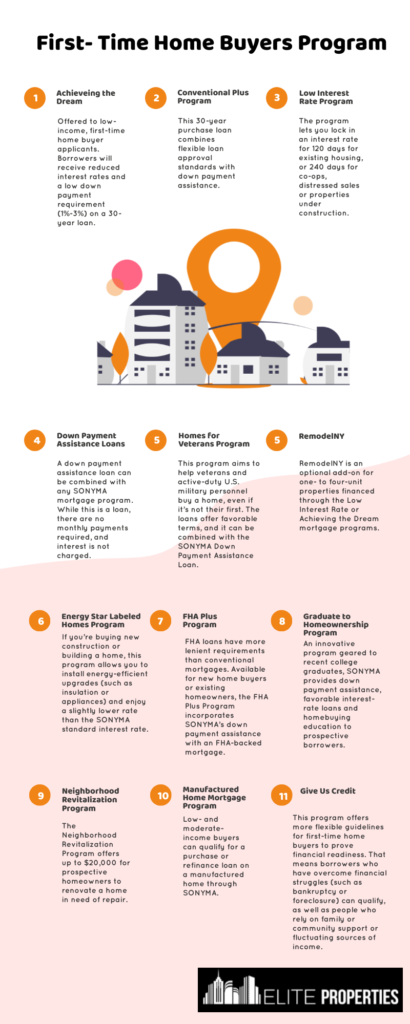
Several pivotal programs stand out in assisting Native American first-time homebuyers:
1. HUD Section 184 Indian Home Loan Guarantee Program
Overview: The Section 184 program is arguably the most impactful and widely utilized program for Native American homeownership. Administered by the U.S. Department of Housing and Urban Development (HUD), it provides a loan guarantee to approved lenders, reducing their risk and making it easier for Native Americans to qualify for home loans. This guarantee covers 100% of the loan amount for the lender in case of default, encouraging lenders to participate.
How it Works:
- Eligible borrowers work with a participating lender (banks, credit unions) to apply for a loan.
- HUD guarantees the loan, making it less risky for the lender.
- The loan can be used to purchase, construct, or rehabilitate homes, or to refinance existing mortgages.
- It’s available for homes on and off trust lands, including reservations, individually allotted lands, or in eligible areas outside of tribal lands.
Key Features:
- Low Down Payment: Often as low as 2.25% for loans over $50,000 and 1.25% for loans under $50,000.
- Flexible Underwriting: Lenders consider non-traditional credit histories and tribal income sources.
- No Mortgage Insurance Premium (MIP) for Life: Unlike FHA loans, which have ongoing MIP, Section 184 loans only have an upfront 1% guarantee fee, which can be financed into the loan. This results in significant long-term savings.
- Competitive Interest Rates: Rates are typically market-driven and competitive.
- Broad Eligibility: Open to federally recognized tribal members, Alaska Natives, and Indian tribes.
2. Native American Housing Assistance and Self-Determination Act (NAHASDA) Programs
Overview: NAHASDA fundamentally changed how federal housing assistance is delivered to Native American communities. Instead of fragmented programs, it provides block grants directly to federally recognized tribes or their tribally designated housing entities (TDHEs). This empowers tribes to design and implement their own housing solutions based on local needs and priorities.
How it Works:
- Tribes receive an annual block grant from HUD.
- They develop an Indian Housing Plan (IHP) outlining how they will use the funds to address housing needs, which can include:
- Down Payment and Closing Cost Assistance: Direct financial aid to tribal members.
- Housing Rehabilitation: Improving existing homes.
- New Construction: Building affordable housing units.
- Rental Assistance: For those not ready for homeownership.
- Housing Counseling: Education on financial literacy and homeownership responsibilities.
Key Features:
- Tribal Self-Determination: Tribes have significant control over how funds are used.
- Local Focus: Programs are tailored to specific tribal needs and cultural contexts.
- Complementary to Section 184: NAHASDA funds can often be combined with Section 184 loans to provide down payment assistance, making homeownership even more accessible.
3. USDA Rural Development (RD) Housing Programs
Overview: While not exclusively for Native Americans, USDA Rural Development offers several programs that are highly beneficial for those living in eligible rural areas, including many reservations and Native communities. The most relevant for first-time homebuyers are the Single Family Housing Direct Loan (Section 502 Direct) and Guaranteed Loan (Section 502 Guaranteed) programs.
How it Works:
- Section 502 Direct Loan: Provides payment assistance to low- and very-low-income applicants to help them afford mortgage payments. This is a direct loan from USDA.
- Section 502 Guaranteed Loan: Guarantees loans made by approved lenders, allowing moderate-income households to obtain mortgages with no down payment in eligible rural areas.
Key Features:
- 0% Down Payment (Guaranteed Loan): A significant advantage for those with limited savings.
- Low Interest Rates (Direct Loan): Can be as low as 1% with payment assistance.
- Flexible Credit Guidelines: Designed to serve those who may not qualify for conventional financing.
- Geographic Focus: Limited to designated rural areas, which often include Native lands.
4. Tribal-Specific Housing Initiatives and Community Development Financial Institutions (CDFIs)
Many individual tribes have developed their own housing programs, often leveraging NAHASDA funds or other tribal revenues. These can include:
- Tribal Housing Authorities: Offer housing counseling, rental programs, and sometimes direct homeownership assistance.
- Land Lease Programs: Facilitate homeownership on trust lands by offering long-term leases that lenders can accept as collateral.
Additionally, Native CDFIs are financial institutions specifically dedicated to serving Native American communities. They often provide:
- Small Loans: For down payments, closing costs, or home repairs.
- Credit Building Programs: To help individuals establish or improve their credit scores.
- Financial Literacy Education: Crucial for long-term homeownership success.
- Culturally Relevant Services: Understanding the unique financial situations and needs of Native clients.
Advantages of Native American First-Time Home Buyer Programs
These specialized programs offer a host of benefits that directly address the historical and systemic barriers to homeownership:
- Addresses Unique Land Tenure: The Section 184 program, in particular, is specifically designed to handle homes on trust lands, providing a viable path to homeownership where conventional mortgages fail.
- Lower Financial Barriers:
- Reduced Down Payments: Programs like Section 184 and USDA Guaranteed loans significantly lower the upfront cash required.
- No Private Mortgage Insurance (PMI): Section 184’s lack of ongoing PMI offers substantial long-term savings compared to conventional loans with low down payments.
- Competitive Interest Rates: Makes monthly payments more affordable.
- Flexible Underwriting & Credit Considerations: Lenders participating in these programs are often more accustomed to evaluating non-traditional income sources (e.g., tribal per capita payments, subsistence income) and alternative credit histories, making homeownership accessible to a wider range of applicants.
- Financial Education and Counseling: Many programs, especially those through NAHASDA or Native CDFIs, emphasize comprehensive housing counseling. This prepares borrowers for the responsibilities of homeownership, helps improve financial literacy, and supports long-term success.
- Community Development & Wealth Building: Homeownership is a powerful tool for building intergenerational wealth and stability. These programs contribute to stronger, more stable Native American communities by fostering individual assets and reducing reliance on rental housing.
- Tribal Self-Determination: NAHASDA empowers tribes to design solutions that best fit their cultural values and specific community needs, fostering local control and culturally appropriate housing.
- Preservation of Culture and Land: By enabling homeownership on tribal lands, these programs help reinforce cultural ties, prevent displacement, and strengthen the connection between Native peoples and their ancestral territories.
Disadvantages and Challenges
Despite their significant benefits, these programs are not without their complexities and potential drawbacks:
- Complexity and Bureaucracy: Navigating the specific requirements of each program, dealing with different agencies (HUD, USDA, tribal housing), and finding approved lenders can be a challenging and time-consuming process.
- Limited Awareness and Access: Many eligible Native Americans may not be aware of these programs or have easy access to the resources needed to apply, especially in remote areas.
- Geographic Limitations: USDA programs are restricted to rural areas, and while Section 184 is broad, the availability of participating lenders can vary by region. Tribal-specific programs are, by nature, limited to members of that particular tribe.
- Income and Eligibility Requirements: While flexible, most programs still have income limits and other eligibility criteria that some applicants may not meet. For instance, USDA Direct Loans are for low- and very-low-income individuals, while Section 184 doesn’t have strict income limits but requires the ability to repay.
- Patience is Required: The application and approval process for guaranteed loans, especially on trust lands, can take longer than conventional mortgages due to additional reviews and tribal approvals.
- Finding Knowledgeable Lenders: Not all lenders are familiar with or participate in Section 184 or USDA programs, particularly regarding the nuances of trust land mortgages. Finding an experienced lender is crucial.
- Maintenance and Property Management: While programs help with acquisition, the responsibility for ongoing home maintenance, repairs, and property taxes falls on the homeowner, which can be a significant financial burden if not properly planned for.
Recommendations for Prospective Native American Homebuyers
For Native American individuals and families considering homeownership, these specialized programs offer an invaluable pathway. Here are key recommendations:
- Start with Education and Counseling: This is paramount. Seek out certified housing counselors specializing in Native American homeownership. Organizations like the National American Indian Housing Council (NAIHC) or local tribal housing authorities are excellent starting points. They can explain the programs in detail, assess your eligibility, and help you prepare financially.
- Understand Your Eligibility: Determine which programs you might qualify for based on your tribal affiliation, income, location (rural vs. urban), and credit history.
- Engage with Your Tribal Housing Authority: If you are a tribal member, your tribal housing authority or TDHE is a critical resource. They can inform you about NAHASDA-funded assistance, tribal-specific programs, and local housing initiatives. They often work directly with Section 184 lenders.
- Prioritize Credit Health: Even with flexible underwriting, a good credit history is always an asset. Work on improving your credit score, paying down debt, and establishing a positive financial track record. Housing counselors and Native CDFIs can assist with credit building.
- Find an Experienced Lender: Seek out lenders who have a proven track record with HUD Section 184 loans and other Native American homeownership programs, especially those familiar with mortgages on trust lands. This will streamline the process significantly.
- Be Patient and Persistent: The journey to homeownership can be complex. Be prepared for paperwork, multiple steps, and potential delays. Persistence and clear communication with your counselor and lender are key.
- Explore Down Payment Assistance: Leverage NAHASDA funds, tribal programs, or state/local down payment assistance programs in conjunction with Section 184 or USDA loans to further reduce your out-of-pocket costs.
Conclusion
First-time home buyer programs for Native Americans are more than just financial tools; they are instruments of justice, equity, and self-determination. They acknowledge the unique historical and ongoing challenges faced by Native communities and provide tailored solutions to overcome them. While the path to homeownership can be intricate, the advantages of these programs – lower financial barriers, flexible terms, and culturally relevant support – far outweigh the complexities.
For eligible Native Americans, these programs represent a powerful opportunity to build generational wealth, secure stable housing, and strengthen their communities. By embracing education, seeking expert guidance, and leveraging the resources available, the dream of homeownership can become a tangible reality, laying a strong foundation for a brighter future.


