Unlocking Homeownership: A Comprehensive Review of Native American Home Loan Programs
For many, the dream of homeownership represents stability, security, and a tangible asset to pass down through generations. However, for Native American individuals and families, this dream has historically been fraught with unique challenges, stemming from systemic barriers, complex land ownership issues on tribal lands, and a lack of accessible financial products tailored to their specific circumstances. Fortunately, several specialized home loan programs have emerged, designed to bridge these gaps and empower Native Americans to achieve homeownership.
This comprehensive review will delve into the landscape of Native American home loan programs, primarily focusing on the Department of Housing and Urban Development (HUD) Section 184 Indian Home Loan Guarantee Program and the Department of Veterans Affairs (VA) Native American Direct Loan (NADL) program. We will explore their features, analyze their advantages and disadvantages, and offer a clear recommendation on their suitability for prospective homebuyers.
The Landscape of Native American Home Loan Programs
While conventional loans are available to Native Americans, they often don’t account for the intricacies of financing homes on trust land or the specific economic realities faced by many tribal communities. This is where specialized programs become invaluable.

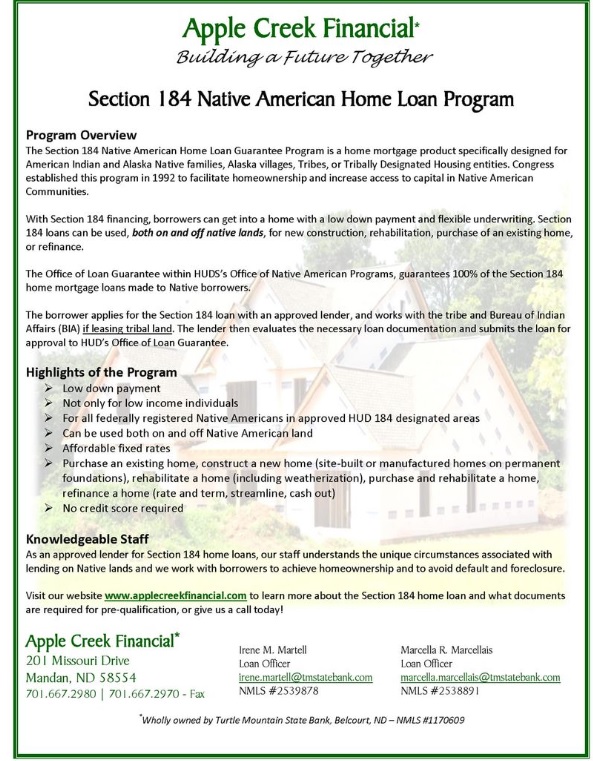
1. HUD Section 184 Indian Home Loan Guarantee Program
The Section 184 program is arguably the most prominent and widely utilized home loan program specifically for Native Americans. Established in 1992, it provides a federal guarantee to private lenders, reducing their risk and encouraging them to make loans to eligible Native American individuals, families, and tribal governments. This guarantee makes homeownership more accessible by enabling more favorable loan terms.
Key Features:
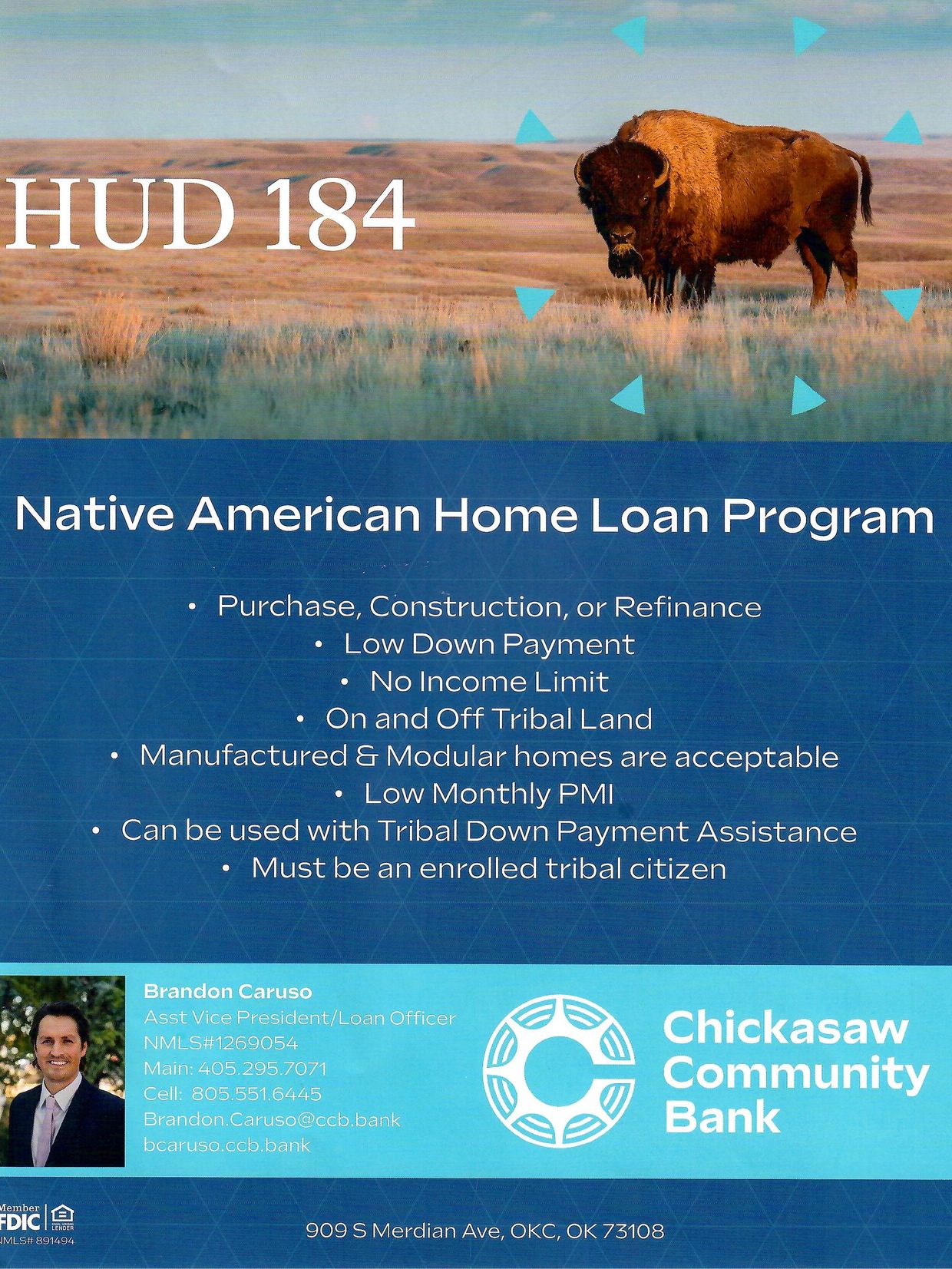
- Eligibility: Open to enrolled members of federally recognized tribes.
- Property Location: Can be used to purchase, construct, or rehabilitate homes on or off tribal trust lands, in fee simple areas, and in approved areas within tribal jurisdiction.
- Loan Purpose: Purchase of existing homes, new construction, rehabilitation, refinance, and even the purchase of manufactured homes.
- Low Down Payment: Typically 2.25% for loans over $50,000 and 1.25% for loans $50,000 or less.
- Flexible Underwriting: More lenient credit requirements compared to conventional loans, acknowledging unique financial histories.
- Competitive Interest Rates: Rates are often comparable to FHA loans.
- Single Mortgage Insurance Premium: A one-time upfront premium (currently 1.50% of the loan amount) and a smaller annual premium (0.85% for loans over $50k, 0.50% for loans $50k or less).
- No Loan Limits: Unlike some other government-backed loans, Section 184 does not have maximum loan limits, though lenders will determine affordability based on income.
Advantages of HUD Section 184:
- Accessibility: The primary benefit is its ability to facilitate homeownership for those who might not qualify for conventional loans due to credit history or limited down payment funds.
- Addresses Trust Land Challenges: Crucially, it provides a mechanism for financing homes on individually owned or tribally owned trust land, which is often difficult for conventional lenders due to the unique legal status of the land. The program streamlines the leasehold approval process required for trust lands.
- Lower Upfront Costs: The low down payment requirement makes it easier for first-time homebuyers or those with limited savings to enter the market.
- Competitive Rates: Borrowers benefit from interest rates that are often lower than what they might find with subprime or less flexible conventional loans.
- Flexible Use: The versatility to use the loan for various purposes (purchase, new build, rehab, refinance) on diverse land types is a significant strength.
- Culturally Competent Framework: The program acknowledges and works within the legal and cultural framework of tribal sovereignty, often requiring tribal approval for projects on tribal lands, fostering better relationships and understanding.
- Geographic Flexibility: Available in most areas with federally recognized tribal lands, as well as many off-reservation areas where Native Americans reside.
- Mortgage Insurance Benefits: While there is mortgage insurance, the annual premium is often lower than FHA loans, and the upfront premium can be financed into the loan.
Disadvantages of HUD Section 184:
- Limited Lender Participation: Not all lenders offer Section 184 loans, which can limit options and require borrowers to seek out specialized lenders.
- Tribal Approval Process: For homes on trust land, securing tribal approval and establishing a ground lease can add complexity and time to the loan process. This requires cooperation and clear communication with tribal housing authorities.
- Property Standards: Homes must meet HUD’s minimum property standards, which can sometimes necessitate repairs or improvements, adding to costs or delaying closing.
- Mortgage Insurance: While less burdensome than some other programs, the presence of mortgage insurance adds to the overall cost of the loan and cannot be canceled once the loan-to-value ratio reaches a certain point (unlike some conventional loans).
- Awareness and Education: Many eligible Native Americans are still unaware of the program or how to navigate its application process, highlighting a need for greater outreach and counseling.
2. VA Native American Direct Loan (NADL) Program
The VA NADL program is another critical tool, specifically designed for Native American veterans. It directly provides home loans to eligible Native American veterans to purchase, construct, or improve homes on federal trust land. Unlike the Section 184 program, which guarantees loans made by private lenders, the VA acts as the direct lender for NADL.
Key Features:
- Eligibility: Must be a Native American veteran (or their surviving spouse) who is an enrolled member of a federally recognized tribe.
- Property Location: Strictly for homes on Native American trust land.
- Loan Purpose: Purchase, construct, or improve a home, or refinance an existing NADL.
- No Down Payment: This is a significant advantage, eliminating the need for upfront capital.
- Low Interest Rates: Interest rates are typically fixed and highly competitive, often lower than conventional rates.
- No Private Mortgage Insurance (PMI): Unlike most low-down-payment loans, VA loans (including NADL) do not require PMI, significantly reducing monthly costs.
- Limited Closing Costs: VA limits the amount of closing costs that veterans can be charged.
- VA Funding Fee: A one-time fee, typically a percentage of the loan amount, paid to the VA (can be financed into the loan). Exemptions exist for veterans with service-connected disabilities.
Advantages of VA Native American Direct Loan (NADL):
- Zero Down Payment: The most compelling advantage, making homeownership accessible even without significant savings.
- No Mortgage Insurance: Eliminates a substantial recurring monthly cost, saving borrowers thousands over the life of the loan.
- Low Interest Rates: Designed to provide affordable financing, often at rates more favorable than market averages.
- Government as Direct Lender: For some, dealing directly with the VA can offer a sense of security and a more streamlined process once eligibility is confirmed.
- Flexible Underwriting: Similar to other VA loans, NADL offers more flexible credit requirements, focusing on overall financial stability rather than just a credit score.
- Veteran-Specific Benefits: Acknowledges the service and sacrifices of Native American veterans, offering a direct pathway to homeownership on their ancestral lands.
Disadvantages of VA Native American Direct Loan (NADL):
- Limited to Trust Land: A major restriction; NADL cannot be used for homes on fee simple land or off-reservation.
- Veteran-Specific: Only available to eligible Native American veterans, limiting its reach within the broader Native American community.
- Tribal Participation Required: The tribe must have an existing Memorandum of Understanding (MOU) with the VA to participate in the NADL program. Not all tribes have this in place.
- VA Property Requirements: Homes must meet VA’s Minimum Property Requirements (MPRs), which can sometimes necessitate repairs or specific standards, similar to HUD 184.
- VA Funding Fee: While many are exempt, those who aren’t will incur this cost, which can add to the loan amount.
- Direct Lending Process: While an advantage for some, others may prefer working with a local bank or credit union. The VA’s direct lending model can sometimes feel less personalized.
3. Other Complementary Programs
While HUD 184 and VA NADL are the primary specialized loan programs, it’s worth noting other avenues that can complement or serve as alternatives:
- USDA Rural Development Loans (Section 502): Not exclusively for Native Americans, but highly relevant given that many tribal lands are in rural areas. These loans offer 100% financing for low- and moderate-income individuals in eligible rural areas.
- Tribal Housing Authority Programs: Many tribal housing authorities offer their own down payment assistance, rental programs, or even directly manage housing units that can transition to homeownership, often working in conjunction with federal loan programs.
- Conventional and FHA Loans: Still options for Native Americans, especially for homes on fee simple land. However, they lack the specific benefits and flexibility for trust land and the cultural sensitivity of the specialized programs.
General Advantages of Native American Home Loan Programs
Beyond the specifics of each program, there are overarching benefits:
- Economic Empowerment: Facilitate wealth building within tribal communities and for individual Native American families.
- Community Development: Support the construction and improvement of housing infrastructure on tribal lands, contributing to community stability and growth.
- Cultural Preservation: Enable families to remain or return to their ancestral lands, strengthening cultural ties and tribal sovereignty.
- Addressing Historical Injustices: These programs are a step towards rectifying historical inequities in housing access and financial services.
- Financial Literacy and Support: Often, organizations that help navigate these loans also provide housing counseling and financial education, empowering borrowers.
General Disadvantages and Challenges
- Awareness and Access: Despite their benefits, many eligible individuals remain unaware of these programs or struggle to find lenders and housing counselors familiar with them.
- Complexity of Trust Land: The unique legal status of trust land (held by the U.S. government for the benefit of tribes or individuals) can still present complexities in terms of title, appraisals, and leasehold agreements, even with specialized programs.
- Varying Tribal Capacity: The capacity of tribal housing authorities and governments to assist in the loan process (e.g., providing tribal consent, managing ground leases) can vary significantly, impacting processing times.
- Bureaucracy: As government-backed or directly administered programs, they can involve a degree of bureaucracy and paperwork that some find daunting.
Recommendation: Are These Programs Right for You?
The Native American home loan programs, particularly the HUD Section 184 and VA Native American Direct Loan, are not just "good" options; they are often the best and most accessible pathways to homeownership for eligible Native Americans.
Strong Recommendation to Pursue:
- If you are an enrolled member of a federally recognized tribe: Absolutely explore the HUD Section 184 program. Its flexibility for land type, low down payment, and competitive rates make it an incredibly powerful tool.
- If you are a Native American veteran (or surviving spouse) AND wish to purchase/build/improve a home on trust land: The VA Native American Direct Loan (NADL) is highly recommended. Its zero down payment and no mortgage insurance benefits are unparalleled.
Key Considerations Before Applying:
- Understand Your Eligibility: Confirm your tribal enrollment (for HUD 184) or veteran status and tribal enrollment (for VA NADL).
- Determine Land Type: Is the home on tribal trust land, individually allotted trust land, or fee simple land? This dictates which programs are most suitable.
- Seek Specialized Lenders/Counselors: Don’t just walk into any bank. Look for lenders approved for HUD Section 184 or organizations that specialize in Native American housing. Housing counseling agencies (often HUD-approved) can be invaluable resources.
- Engage with Your Tribe: Especially for homes on trust land, early communication with your tribal housing authority or government is crucial. They can provide essential information, support, and required documentation.
- Assess Your Finances: While these programs offer flexibility, having a stable income, managing debt, and understanding your budget will strengthen your application and ensure long-term homeownership success.
- Compare Options: Even within these programs, terms can vary slightly. Compare offers from different Section 184 approved lenders. If you’re a veteran on trust land, compare NADL with Section 184 if applicable, as both might be options depending on your specific needs.
In conclusion, Native American home loan programs are vital instruments of empowerment. They address historical disparities, navigate complex land ownership, and provide a financially sound path to homeownership for a community that has long faced unique barriers. While they come with their own set of requirements and processes, their advantages – especially low down payments, competitive rates, and the ability to finance homes on trust land – far outweigh the challenges. For eligible individuals and families, these programs represent not just a loan, but a critical step towards building generational wealth, strengthening communities, and realizing the fundamental right to a place to call home. Don’t hesitate to explore these invaluable resources; the dream of homeownership is within reach.


