
Tribal Loans for Crisis Management: A Double-Edged Sword in Emergency Finance
Life is unpredictable. One moment, you’re navigating your routine, and the next, an unexpected financial crisis hits – a sudden medical emergency, an urgent car repair, a looming eviction, or a utility shut-off notice. In such moments of acute vulnerability, access to quick funds becomes paramount. For many, especially those with less-than-perfect credit scores or limited access to traditional banking services, the options seem to dwindle rapidly. It is in this desperate landscape that tribal loans often emerge as a seemingly viable, albeit controversial, solution for crisis management.
This comprehensive review delves into the world of tribal loans, examining their structure, their purported benefits in times of crisis, and their significant drawbacks. We will explore whether these financial products truly offer a lifeline or merely a more treacherous path into deeper debt, ultimately providing a recommendation for their use.
What Are Tribal Loans? Understanding the "Product"
Before we assess their utility for crisis management, it’s crucial to understand what tribal loans are. Tribal loans are short-term, high-interest loans offered by financial institutions owned and operated by Native American tribal governments. These lenders operate under tribal law, rather than state law, a distinction that forms the bedrock of their operational model and the source of much debate.
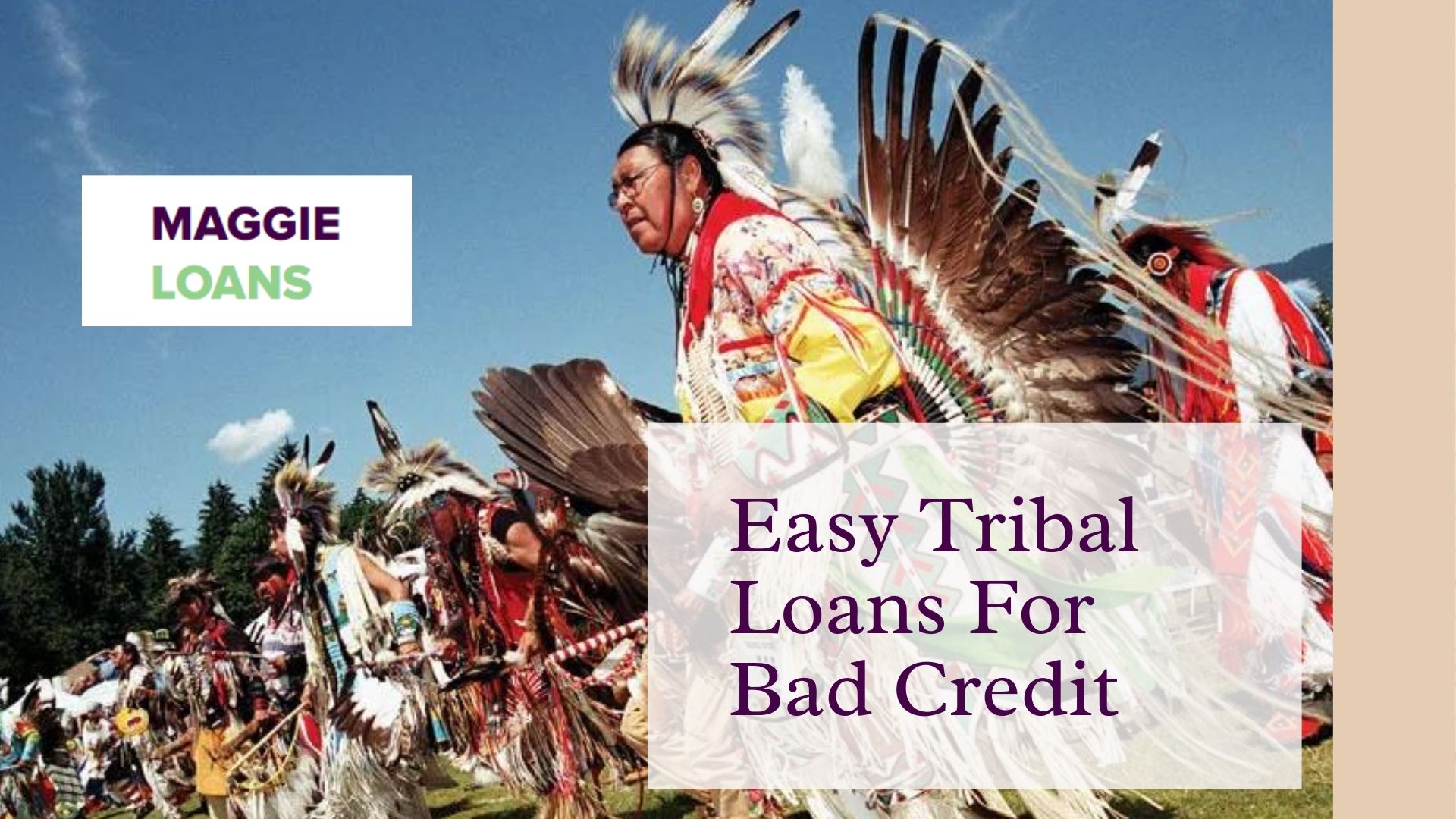
The core premise is rooted in the concept of "tribal sovereignty." Federally recognized Native American tribes are considered sovereign nations, giving them the right to establish and regulate their own economic ventures, including lending operations, on their lands. This means that while a state might have laws capping interest rates or regulating lending practices, tribal lenders often claim immunity from these state regulations, operating under their own, often less restrictive, tribal ordinances.
Typically, tribal loans are unsecured, meaning they don’t require collateral. They are primarily offered online, making them accessible to a broad demographic across various states, regardless of the borrower’s proximity to tribal lands. The application process is generally quick and streamlined, often requiring only basic personal and banking information, and approvals can be granted in minutes, with funds disbursed within one business day. This speed and ease of access are precisely what make them attractive to individuals facing immediate financial emergencies.
How Tribal Loans Address Crisis Management: The Allure of Quick Cash
In a crisis, time is of the essence, and traditional lending institutions often fall short. Banks and credit unions typically have stringent credit requirements, lengthy application processes, and slower disbursement times. For someone needing $500 to prevent a utility shut-off tomorrow or to fix a car that’s essential for commuting to work, waiting days for approval or being rejected due to a low credit score is simply not an option.
This is where tribal loans step into the breach, offering several features that appear tailor-made for crisis management:
- Speed of Access: The most compelling advantage is the rapid approval and funding. Many tribal lenders promise funds within 24 hours, which can be a game-changer when facing an immediate, time-sensitive expense.
- Lenient Eligibility: Unlike traditional lenders, tribal lenders often do not rely heavily on conventional credit scores. Instead, they might focus on a borrower’s income and ability to repay the loan, making them accessible to individuals with poor credit histories or no credit at all. This opens doors for people who have been turned away by virtually every other financial institution.
- No Collateral Required: The unsecured nature of these loans means borrowers don’t have to put up valuable assets like a car or home as security, reducing the immediate risk of losing property in an already stressful situation.
- Online Accessibility: The entirely online application process means borrowers can apply from anywhere, at any time, without needing to visit a physical branch. This convenience is significant for individuals already stretched thin by a crisis.
- For Specific Crises: Tribal loans are often sought for emergencies such as:
- Medical Emergencies: Unexpected hospital bills or urgent medication costs.
- Vehicle Repairs: Essential for maintaining employment or daily life.
- Utility Shut-offs: Preventing loss of power, water, or heat.
- Eviction Prevention: Covering overdue rent to avoid homelessness.
- Urgent Home Repairs: Addressing issues that pose safety risks.

For someone staring down an immediate, non-negotiable expense with no other financial recourse, a tribal loan can feel like the only way out, offering a temporary reprieve from an escalating crisis.
Advantages (Pros) of Tribal Loans for Crisis Management
While fraught with risks, it’s important to acknowledge the specific benefits that draw desperate borrowers to tribal loans:
- High Approval Rates for Bad Credit: This is arguably the biggest draw. When traditional banks, credit unions, and even many online lenders reject applicants based on credit scores, tribal lenders offer an alternative.
- Fast Funding: The ability to receive funds within a day can prevent a small crisis from spiraling into a larger, more catastrophic one.
- Simplified Application Process: Minimal paperwork and an entirely online experience make applying quick and stress-free, crucial for individuals under duress.
- Flexibility in Loan Amounts: While typically smaller, loan amounts can range from a few hundred to a couple of thousand dollars, often sufficient to cover common emergency expenses.
- No Impact on Traditional Credit Score (Initially): Since many tribal lenders don’t report to major credit bureaus, applying for or receiving a tribal loan may not immediately impact one’s traditional credit score. However, this also means good repayment behavior won’t help build credit.
Disadvantages (Cons) of Tribal Loans for Crisis Management
Despite their perceived benefits in a crisis, the disadvantages of tribal loans are substantial and can often outweigh the temporary relief they provide, potentially trapping borrowers in a cycle of debt.
- Exorbitantly High Annual Percentage Rates (APRs): This is the most significant drawback. Tribal loans are notorious for their sky-high interest rates, often ranging from 300% to over 1,000% APR. To put this in perspective, a $500 loan with a 500% APR could mean repaying $1,250 or more within a few months. This makes them significantly more expensive than even credit card cash advances or traditional payday loans.
- Risk of a Debt Trap: The high interest rates combined with short repayment periods (often bi-weekly or monthly) mean a large portion of each payment goes towards interest, leaving little to reduce the principal. Borrowers often find themselves unable to afford the full payment, leading to rollovers or extensions, incurring additional fees and pushing them deeper into debt.
- Limited Regulatory Oversight: The claim of tribal sovereignty, while legally complex, often means these lenders operate outside the purview of state usury laws and consumer protection regulations. This can leave borrowers with fewer legal avenues for recourse if disputes arise or if they feel they’ve been subject to predatory practices.
- Aggressive Collection Practices (Potential): While not universal, some tribal lenders have been accused of aggressive or unethical collection practices, including harassment or threats, knowing that borrowers have limited legal protection under state laws.
- Lack of Transparency: The terms and conditions, particularly the true cost of the loan (APR), can sometimes be obscured or presented in a confusing manner, making it difficult for borrowers to fully understand their obligations.
- Not a Long-Term Solution: Tribal loans are designed for short-term financial gaps, not for addressing underlying financial instability. Relying on them repeatedly for crisis management is a clear sign of deeper financial issues that require more sustainable solutions.
- Legal Ambiguity: The legal landscape surrounding tribal lending is complex and evolving. While tribal lenders assert sovereign immunity, state regulators and consumer advocates frequently challenge this, leading to legal battles and uncertainty for both lenders and borrowers.
The Ethical Quagmire: Vulnerability and Exploitation
The very nature of tribal loans raises profound ethical questions. They target individuals who are often at their most vulnerable – facing a crisis, with limited funds, and poor credit. Offering a product with such punitive interest rates to this demographic, under the shield of sovereign immunity, is seen by many as exploitative. While the lenders argue they are providing a service where no other exists, critics contend that the terms are so onerous they perpetuate poverty rather than alleviate it.
For tribal nations, these lending operations can be a significant source of revenue, funding essential tribal services, infrastructure, and economic development. However, this economic benefit is often weighed against the moral implications of profiting from the desperation of others.
Alternatives to Consider Before Tribal Loans
Given the severe downsides, tribal loans should truly be a last resort. Before considering them, individuals facing a financial crisis should explore all other possible avenues:
- Personal Loans from Credit Unions or Banks: Even with imperfect credit, some local credit unions offer more flexible terms and lower interest rates than commercial banks.
- Payday Alternative Loans (PALs): Offered by federal credit unions, PALs are small loans (up to $2,000) with much lower APRs (capped at 28%) and more reasonable repayment terms.
- Community Assistance Programs: Many non-profits, charities, and government agencies offer assistance for rent, utilities, food, and medical bills. Research local resources like United Way, Salvation Army, or specific state/county programs.
- Negotiate with Creditors: If the crisis involves existing debt, contact creditors (landlords, utility companies, medical providers) to negotiate payment plans, extensions, or temporary deferrals.
- Borrow from Family or Friends: While potentially awkward, this can be an interest-free solution if handled with clear terms and expectations.
- Credit Card Cash Advance: While expensive, a credit card cash advance typically has a lower APR than a tribal loan and is often more regulated.
- Employer Advance: Some employers offer payroll advances or emergency loans to their employees.
- Side Hustles/Gig Work: If time permits, earning quick cash through gig economy jobs (delivery, rideshare, freelance tasks) can help cover immediate expenses.
- Financial Counseling: Non-profit credit counseling agencies can help assess your situation, create a budget, and explore debt management options.
Recommendation: A Last Resort, Used with Extreme Caution
Our recommendation is clear: Tribal loans for crisis management should be considered an absolute last resort, to be pursued only when all other, less predatory, options have been exhausted.
When to Avoid:
- If you have any other viable source of funds, even a credit card cash advance.
- If you cannot confidently repay the loan in full, including all interest and fees, by the due date.
- If you do not fully understand all the terms and conditions, especially the APR and total repayment amount.
- If the loan is for a non-essential expense.
When to Consider (as a last resort):
- When facing an imminent and critical emergency (e.g., preventing homelessness, essential medical treatment, avoiding job loss due to vehicle failure) where no other funds are available.
- When you have exhausted all other alternatives listed above.
- When you have a clear and immediate plan to repay the loan in full very quickly (ideally within one or two pay cycles) to minimize the impact of the exorbitant interest.
If You Must Use One:
- Read Every Line of the Contract: Pay meticulous attention to the APR, total repayment amount, payment schedule, and all associated fees. Do not sign anything you don’t fully comprehend.
- Verify Lender Legitimacy: While operating under tribal law, ensure the lender is transparent about their tribal affiliation and contact information. Look for reviews, though be aware that online reviews can be mixed.
- Borrow Only What You Absolutely Need: Resist the urge to borrow more than the minimum required to address the immediate crisis.
- Have a Repayment Plan: Do not rely on rolling over the loan. Understand exactly how and when you will make the full repayment.
- Beware of Automatic Renewals: Understand if the loan automatically renews or incurs new fees if not paid on time.
Conclusion
Tribal loans present a paradoxical solution for crisis management. On one hand, they offer rapid access to funds for individuals who have been shut out of traditional financial systems, providing a potential lifeline in moments of extreme urgency. On the other hand, their astronomically high interest rates and often limited regulatory oversight create a significant risk of plunging vulnerable borrowers into a deeper, more intractable debt spiral.
While they might offer a temporary band-aid, tribal loans are far from a sustainable solution. They are a product of financial desperation, designed to fill a gap left by conventional lenders but at a steep, often crippling, cost. For anyone facing a financial crisis, the prudent path involves exploring every conceivable alternative first. Only after exhausting all other options and with a clear, immediate repayment strategy should one consider a tribal loan, recognizing it as a very expensive and potentially perilous last resort. True crisis management ultimately requires not just immediate funds, but also long-term financial planning and access to equitable lending options that do not prey on vulnerability.


