Navigating Uncharted Waters: A Deep Dive into Tribal Loans for Unexpected Travel Costs
The allure of travel is undeniable – exotic locales, new cultures, breathtaking landscapes, and the thrill of adventure. Yet, even the most meticulously planned journey can be derailed by unforeseen circumstances: a medical emergency abroad, a car breakdown hundreds of miles from home, a sudden need for an emergency flight, or a lost passport requiring urgent replacement. In such moments of crisis, with immediate financial needs and often limited conventional options, many travelers might find themselves exploring less traditional avenues for quick cash. Among these, "Tribal Loans" often surface as a potential, albeit controversial, solution.
This comprehensive review will delve into the world of tribal loans specifically in the context of unexpected travel costs. We will dissect what these loans are, their appeal in an emergency, their significant advantages and disadvantages, and ultimately provide a recommendation on whether they are a viable and responsible choice for the financially distressed traveler.
What Are Tribal Loans?
Tribal loans, also known as Native American tribal loans or sovereign nation loans, are short-term, high-cost installment loans offered by lending entities owned and operated by federally recognized Native American tribes. Crucially, due to their affiliation with sovereign tribal nations, these lenders claim immunity from state lending laws, including usury caps that limit interest rates. This allows them to offer loans with annual percentage rates (APRs) that can soar into the triple or even quadruple digits, far exceeding what is typically permissible for state-licensed lenders.
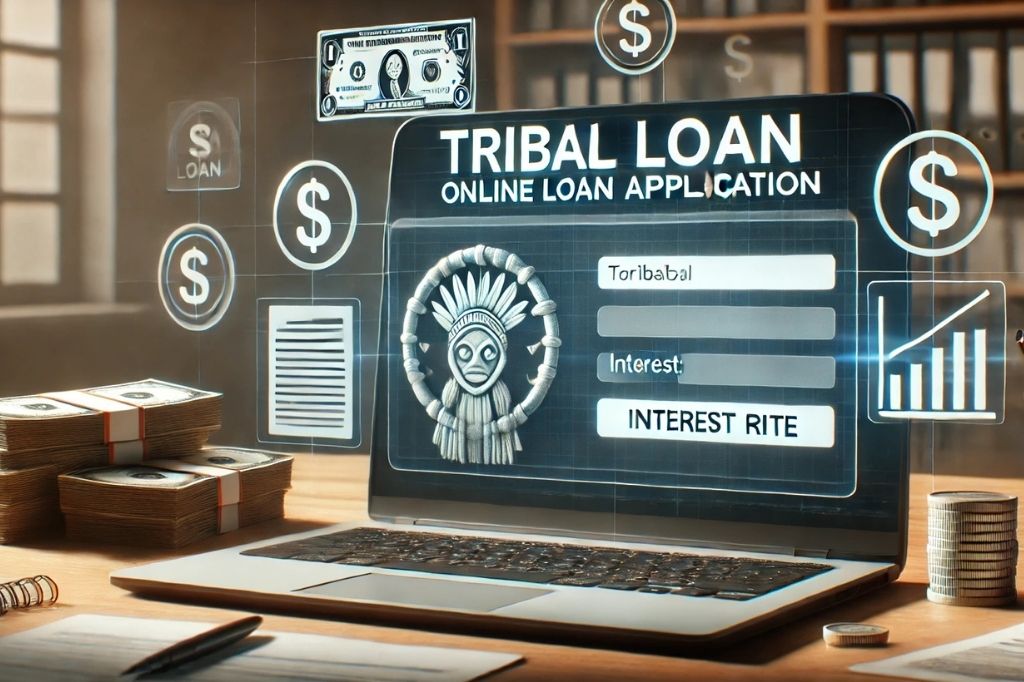
These loans are generally unsecured, meaning they do not require collateral like a car or house. They are marketed towards individuals who may have poor credit scores or no credit history, making them ineligible for traditional bank loans or even many payday loans. The application process is typically online, streamlined, and promises rapid approval and disbursement, often within one business day.
The Appeal for Unexpected Travel Costs
When faced with an unexpected financial emergency while traveling, the clock is often ticking, and immediate access to funds can be critical. Consider these scenarios:
- Medical Emergency Abroad: A sudden illness or accident in a foreign country can lead to exorbitant hospital bills, even with travel insurance, if there’s a deductible or co-pay required upfront.
- Vehicle Breakdown: A rental car breaking down in a remote area, or your personal vehicle needing costly repairs far from your trusted mechanic, can leave you stranded and facing significant towing and repair expenses.
- Emergency Return Home: A family emergency requiring an immediate, last-minute flight can be incredibly expensive, especially without prior booking.
- Lost or Stolen Documents: Replacing a passport, visa, or other vital travel documents can incur fees and require immediate funds for application and expedited processing.
- Accommodation & Logistics: Unexpected flight delays, cancellations, or natural disasters can leave travelers needing to pay for unplanned hotel stays, meals, and alternative transportation.

In such high-stress situations, the primary appeal of tribal loans lies in their promise of speed and accessibility. For someone with bad credit and no other immediate financial recourse, the idea of getting funds within 24 hours can seem like a lifeline, even if the terms are unfavorable. The online application means you can apply from almost anywhere with internet access, and the lack of stringent credit checks simplifies the process when time is of the essence.
Advantages of Tribal Loans for Unexpected Travel Costs
While fraught with risks, tribal loans do possess a few characteristics that can be perceived as advantages in desperate travel emergencies:
- Rapid Approval and Disbursement: This is perhaps the most significant "pro." When you need money now for an emergency flight or an urgent medical bill, tribal lenders often boast same-day or next-day funding. This speed can be crucial in mitigating an escalating crisis.
- Accessibility for Poor Credit: Unlike traditional banks that scrutinize credit scores, tribal lenders are often willing to lend to individuals with bad or no credit history. This broadens the pool of potential borrowers who might otherwise be completely shut out of the financial system during an emergency.
- Online Application Process: The entire application can be completed online from anywhere with an internet connection, a significant convenience for travelers who might be in a remote location or dealing with logistical challenges.
- No Collateral Required: These are unsecured loans, meaning you don’t need to put up personal assets like your car or home as security. This reduces the immediate risk of losing property if you default, although the financial consequences of default are still severe.
- Less Stringent Eligibility: Beyond credit scores, the income and employment requirements might be more flexible than those of traditional lenders, accommodating individuals with less stable employment histories or non-traditional income sources.
Disadvantages of Tribal Loans for Unexpected Travel Costs
Despite the perceived advantages in a crisis, the disadvantages of tribal loans are substantial and far outweigh the benefits for most consumers. These loans come with significant risks that can trap borrowers in a devastating cycle of debt.
- Exorbitant Annual Percentage Rates (APRs): This is the most critical drawback. Tribal loans typically carry APRs ranging from 400% to over 2,000%. To put this into perspective, a $1,000 loan repaid over six months at a 700% APR could cost you thousands more than the principal borrowed. What seems like a small emergency loan can quickly balloon into an unmanageable debt.
- The Debt Trap: The extremely high-interest rates make it incredibly difficult to repay the principal. Many borrowers find themselves only able to afford the minimum payments, which primarily cover interest, leaving the principal largely untouched. This can lead to rolling over the loan or taking out new loans to pay off old ones, creating a perpetual cycle of debt.
- Lack of State Regulation and Consumer Protection: Because tribal lenders operate under tribal sovereignty, they are largely exempt from state usury laws and consumer protection regulations that govern traditional lenders. This means borrowers have fewer legal recourses if they encounter predatory practices, unfair terms, or aggressive collection tactics.
- Legal Complexities and Jurisdiction Issues: If a dispute arises, seeking legal redress can be incredibly complicated. Borrowers may find themselves bound by arbitration clauses or required to pursue legal action in tribal courts, which can be unfamiliar, expensive, and difficult to navigate.
- Transparency Issues and Hidden Fees: The terms and conditions of tribal loans can sometimes be opaque, with hidden fees, origination charges, and penalties for late payments that further inflate the cost of borrowing. It can be challenging for borrowers to fully understand the true cost of the loan upfront.
- Aggressive Collection Practices: While they may claim immunity from some state laws, tribal lenders often adhere to federal collection practices. However, without robust state oversight, some may employ more aggressive or questionable tactics to recover funds, which can be incredibly stressful for borrowers.
- Impact on Credit Score (Potentially): While some tribal lenders don’t report to major credit bureaus, others might. If they do, and you default on the loan, it can severely damage your credit score, making it even harder to access conventional credit in the future.
- Not a Sustainable Solution: Tribal loans address an immediate symptom (lack of cash) but exacerbate the underlying problem (financial instability) due to their prohibitive cost. They are not a sustainable or responsible financial tool for managing emergencies.
Are Tribal Loans the Right Solution for You? (A Nuanced Perspective)
Given the extreme risks, tribal loans should almost always be considered a last resort for unexpected travel costs, and even then, only with extreme caution and a clear, concrete, and immediate repayment plan.
You might consider them (with immense reservations) if:
- You are facing an immediate, life-threatening emergency (e.g., urgent medical care) where no other options (insurance, credit cards, family, emergency funds) are available.
- You have an absolute guarantee of income very soon (e.g., a confirmed paycheck in a few days) that will allow you to repay the entire loan, including all fees and interest, within the shortest possible term to minimize costs.
- You fully understand the astronomical APR and the total cost of the loan, and you are prepared for the financial consequences.
- You have exhausted every single alternative option discussed below.
You should avoid tribal loans if:
- You do not have a guaranteed, immediate plan to repay the entire loan very quickly.
- You are not facing an absolute, dire emergency.
- You have any other viable financial options available.
- You are susceptible to financial stress and the thought of high-interest debt causes significant anxiety.
Alternatives to Consider for Unexpected Travel Costs
Before even contemplating a tribal loan, travelers facing an emergency should exhaust every other possible avenue:
- Emergency Fund: The best defense against unexpected costs, travel or otherwise, is a dedicated emergency savings fund. Aim for at least 3-6 months of living expenses.
- Travel Insurance: For many travel emergencies (medical, cancellations, lost luggage), comprehensive travel insurance is designed precisely for these situations. Always purchase it before your trip.
- Credit Cards: While credit cards can have high interest rates, they are almost invariably lower than tribal loans (typically 15-30% APR vs. 400%+). If you have available credit, it’s a far better option.
- Personal Loans from Banks or Credit Unions: If your credit score allows, a traditional personal loan offers significantly lower interest rates and more favorable repayment terms.
- Borrow from Friends or Family: While potentially awkward, borrowing from loved ones, often interest-free or with minimal interest, is a much safer option than a high-cost loan.
- Payment Plans: For medical bills or car repairs, explore if the provider offers a payment plan. Many will work with you to avoid immediate full payment.
- Negotiate with Creditors: If you’re struggling to pay for an existing service (like a hotel), try negotiating for a discount or deferred payment.
- Consular Assistance: If abroad, your country’s embassy or consulate can often provide assistance for lost passports, emergency travel documents, and sometimes even small emergency loans for citizens in dire situations.
- Crowdfunding: For truly desperate situations, platforms like GoFundMe can sometimes provide community support, though this is not guaranteed.
- Employer Assistance: Some employers offer emergency loans or advances on paychecks.
Recommendation: Proceed with Extreme Caution, and Only as a Last Resort
Our recommendation for tribal loans for unexpected travel costs leans heavily towards avoidance. The exorbitant interest rates, lack of robust consumer protections, and potential for a crippling debt spiral make them an incredibly risky financial product.
While their speed and accessibility can be tempting in a crisis, the long-term financial devastation they can inflict far outweighs any immediate convenience. It is a solution that can turn a temporary travel hiccup into a prolonged financial nightmare.
If, and only if, you have exhausted every single alternative and are facing an absolute, life-threatening emergency with no other options, and you have an absolute, guaranteed plan for immediate repayment:
- Read Every Single Clause: Scrutinize the loan agreement, especially the APR, fees, and repayment schedule.
- Understand the Total Cost: Calculate the total amount you will repay, not just the principal.
- Borrow the Absolute Minimum: Take only what is strictly necessary.
- Have an Exit Strategy: Know exactly how and when you will pay off the loan in full to minimize interest accumulation.
Ultimately, the best strategy is proactive financial planning: building an emergency fund and securing comprehensive travel insurance. These tools provide genuine peace of mind and protection, ensuring that unexpected travel costs remain an inconvenience, not a financial catastrophe, and eliminating the need to resort to the perilous waters of tribal loans.


